The Ultimate Guide to the Best Football Boots for 3G Pitches
When you step onto a 3G (third‑generation) artificial turf, the feel underfoot is smoother than natural grass but still offers a bit of bite. That unique balance demands a boot that can grip without digging, provide comfort over longer sessions, and hold up when the surface gets soggy after rain. In this guide we’ll break down exactly what to look for and showcase the top models that consistently perform on 3G pitches.
What Makes a Boot Ideal for 3G Surfaces?
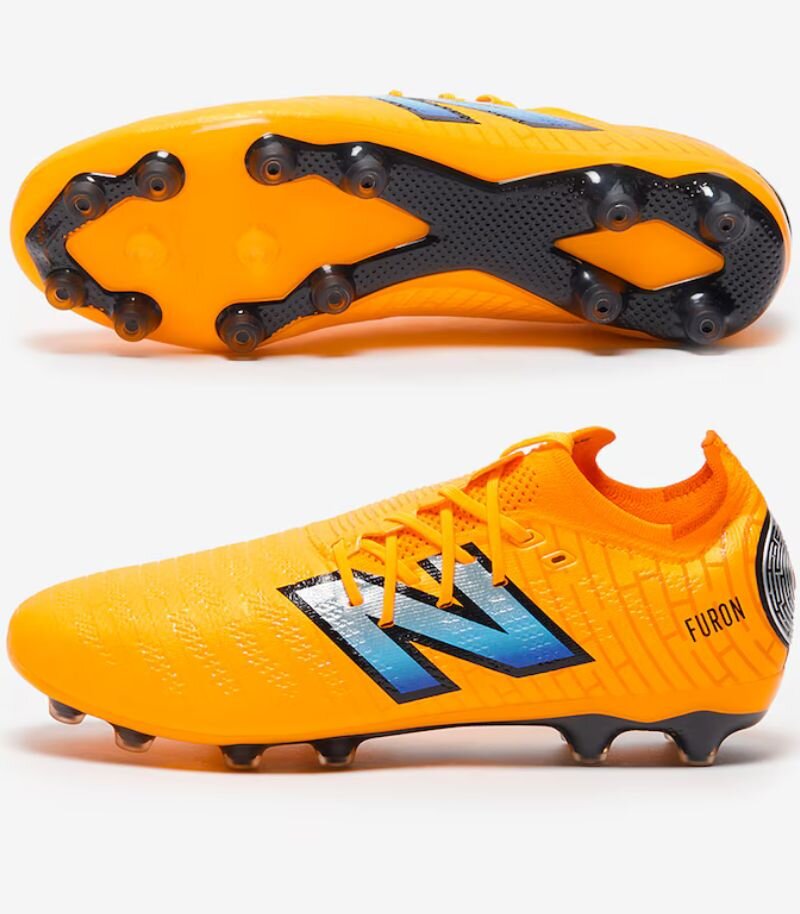
Unlike classic firm ground (FG) studs designed for compacted soil, 3G‑friendly boots usually feature a combination of shorter, blunter studs and a lightweight outsole. The studs spread the load more evenly, reducing the risk of tearing the synthetic fibers. A flexible midsole and a breathable upper also matter because 3G pitches can become warm and sticky during a match.
Key characteristics to keep an eye on:
- Stud configuration: 6–8 conical or bladed studs, typically 10‑12 mm tall.
- Stud material: TPU or rubber offers a good grip without excessive wear.
- Upper construction: Knit or engineered mesh that molds to the foot while allowing airflow.
- Outsole flexibility: A softer plate improves agility on the slightly forgiving 3G surface.
- Cushioning: Responsive foam or a micro‑spring unit helps absorb the subtle bounce of artificial turf.
Top Picks for 3G Football Boots in 2024
We’ve tested a range of boots on both dry and wet 3G pitches, and these three consistently delivered traction, comfort, and durability.
Adidas Predator Edge.3
The Predator Edge.3 blends a textile upper with a rubber stud layout that’s purpose‑built for synthetic grass. The stud pattern spreads pressure evenly, while the Primeknit‑plus collar adds a snug fit without feeling restrictive. Players praise its quick‑turn ability and the way the sole stays flexible even after a full 90‑minute game.
Nike Tiempo Legend 10 Elite
Nike’s Tiempo line is known for its buttery leather feel, and the Legend 10 Elite adapts that comfort to 3G with a hybrid stud system—four larger conical studs at the forefoot and four smaller ones at the heel. The Dynamic Fit collar hugs the ankle, and the lightweight foam midsole cushions the slight give that 3G turf provides.
Puma Future Z 1.2
Puma’s Future Z 1.2 introduces a flexible outsole with a mix of round and elongated studs, giving players a blend of grip and slide for those sudden sprints. The Netfit lacing system lets you customize tension across the foot, which is a boon when the surface gets a bit slick after rain.
How to Choose the Right Pair for Your Play Style
Even the best‑rated boot can feel off if it doesn’t match how you move on the pitch. Consider these questions before you buy:
- Do you rely on quick cuts? Opt for boots with a more flexible sole and bladed studs that allow rapid directional changes.
- Are you a target‑man who needs extra cushioning? Look for a thicker midsole or added insole technology.
- Do you play in wet conditions often? Rubber studs tend to retain grip better on a damp 3G surface than hard plastic.
- Do you value a lightweight feel? Synthetic uppers and minimalistic stud designs shave off grams without sacrificing stability.
Try on a few pairs in the store, if possible, and walk around on a short stretch of artificial turf. Your foot should feel secure, not cramped, and the boot should flex naturally as you push off.
Maintenance Tips to Extend Your Boots' Life
Artificial turf can be abrasive, so a bit of care goes a long way. After each match, gently brush off any rubber crumbs that have lodged in the stud cavities. Use a damp cloth—not a soaking soak—to clean the upper; too much water can weaken adhesive bonds. Finally, store the boots in a ventilated area away from direct sunlight to prevent the material from drying out.
Frequently Asked Questions
Can I wear firm‑ground boots on a 3G pitch?
Generally it’s not recommended. FG studs are longer and can tear the synthetic fibers, leading to reduced traction and faster wear on the boots.
Do I need a different pair for indoor turf?
Indoor turf is usually softer and smoother than 3G. A boot with flatter, shorter studs or even a turf‑specific flat sole will usually perform better indoors.
How often should I replace my 3G boots?
If you play two or more times a week, look to replace them every 6–9 months. Signs of wear include flattened studs, a loose upper, or reduced cushioning.