The Real Everyday Life on Grenada Island: What to Expect
Thinking about swapping city traffic for ocean breezes? Grenada island life often appears in travel brochures as endless beaches and perpetual sunshine, but the reality is a blend of tropical charm, practical challenges, and a close‑knit community. Below we break down what daily life actually feels like for locals and long‑term expats alike.
Daily Rhythm: From Sunrise to Sunset
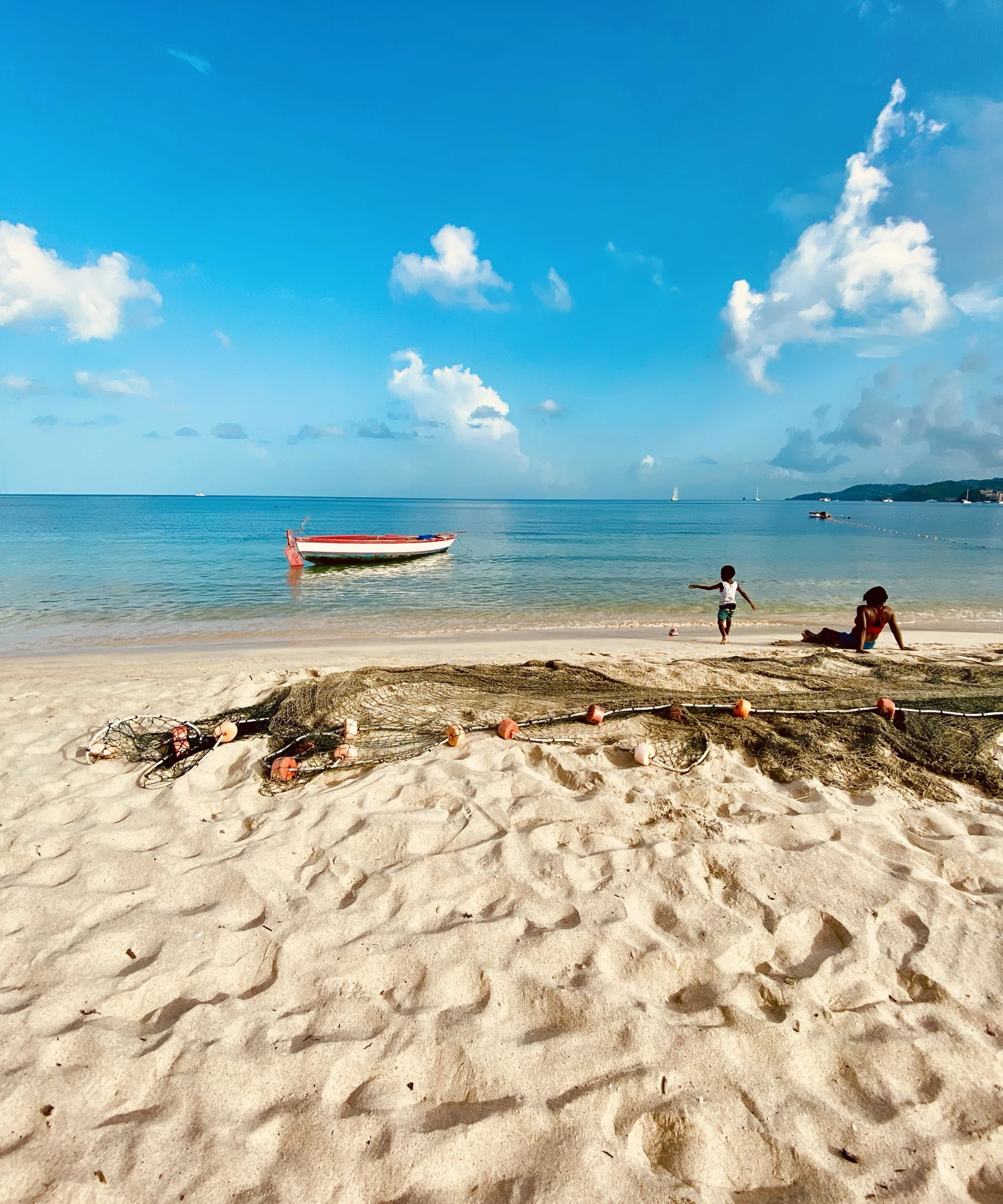
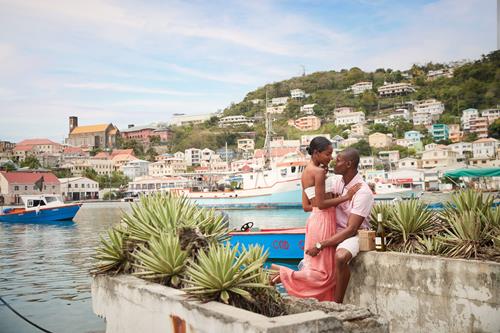
Most residents start the day early, especially fishermen and market vendors who need the morning light to bring in the catch or set up stalls along St. George’s waterfront. The air is warm but not oppressively humid at dawn, and the scent of frying fish mingles with freshly brewed coffee. After a quick breakfast of ackee, saltfish, or a simple banana fritter, many head to work—whether it’s a tourism‑focused job, a government office, or a family‑run shop.
Afternoons tend to slow down. The island’s pace eases as the sun climbs, and it’s common to see people gathering under the shade of mango trees, chatting, or taking a siesta. Schools dismiss around 2 p.m., and children often play on the streets or join after‑school cricket matches. By evening, the streets fill with the sound of steel‑pan music, and families gather for dinner, usually a hearty stew of goat or fish with rice and peas.
Cost of Living and Practicalities
Living in Grenada is generally cheaper than in many Western cities, but imported goods keep certain expenses surprisingly high. Here’s a quick snapshot:
- Housing: Renting a one‑bedroom apartment in the capital can range from $600 to $900 per month, while a modest house outside the city may cost $400–$700.
- Food: Local produce—plantains, sweet potatoes, fresh fish—is affordable, but imported items like cheese or canned goods can be 30‑50 % more expensive than on the mainland.
- Utilities: Electricity, largely generated from diesel, often runs $100–$150 monthly; many households supplement with solar panels to offset costs.
- Transportation: Owning a car is common, yet fuel prices hover near $5 per gallon. Public minibuses, known as “maxi‑taxis,” provide a cheaper alternative for short trips.
Banking is straightforward, with several local branches offering basic services. However, credit card acceptance outside tourist zones can be spotty, so keeping some cash on hand is wise.
Community and Culture
Grenadians are famously friendly, and community ties run deep. Festivities such as the annual Spice Island Carnival showcase vibrant costumes, calypso music, and an infectious sense of pride. Religious gatherings—whether Methodist, Catholic, or Rastafarian—also serve as social hubs, where neighbours catch up over homemade refreshments.
Food is a cultural glue. Weekend barbecues (or “bake‑and‑fish” evenings) bring families together, and sharing a plate of callaloo with friends is as common as a coffee catch‑up. Language blends English with the local Creole, creating a lively, melodic patois that adds color to everyday conversation.
Challenges and Realities
While the island’s beauty is undeniable, there are practical hurdles. The health system, though improving, still relies on a handful of hospitals and clinics; serious emergencies often require transport to larger facilities in nearby islands or even to the United States. Internet connectivity, especially in rural areas, can be intermittent, which may affect remote workers.
Job opportunities outside tourism and agriculture are limited. Many locals supplement income through small‑scale farming, artisanal crafts, or seasonal work. For expats, securing a work permit can be a bureaucratic process, and salaries tend to reflect the local market rather than international standards.
Finally, the island is susceptible to tropical storms. While Grenada has a robust early‑warning system, preparation—stocking up on supplies, securing windows, and having an evacuation plan—is essential during the hurricane season from June to November.
Tips for Newcomers
If you’re considering a move, start by visiting for an extended stay. Renting a short‑term villa lets you feel the rhythm before committing to a lease. Learn a few Creole phrases; locals appreciate the effort and it opens doors to deeper connections. Embrace the slower pace—don’t rush meals or meetings, and allow yourself to unwind under a palm tree now and then.
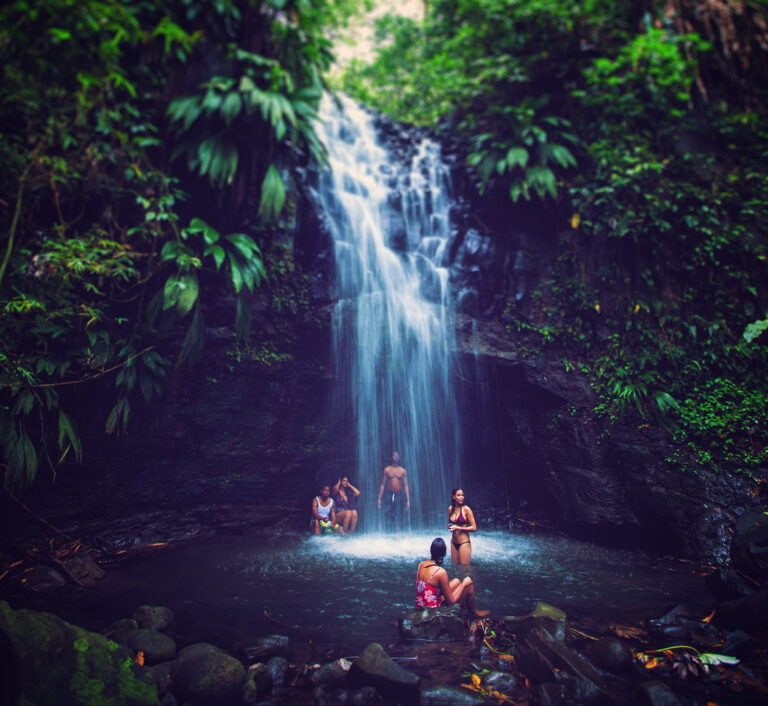
Getting involved in community projects—like beach clean‑ups or local school events—can quickly make you feel at home. Lastly, keep a flexible mindset: the island’s charm often lies in its unpredictability, from sudden rain showers to spontaneous street performances.
Frequently Asked Questions
What is the average rent for a one‑bedroom apartment in St. George’s?
Rent typically ranges from $600 to $900 per month, depending on location and amenities.
Is it easy to find internet access for remote work?
Urban areas offer reliable broadband, but rural spots may experience slower speeds or occasional outages.
Do I need a special visa to stay long‑term?
Yes, most long‑term residents require a residence permit or work visa, which involves paperwork through the Grenadian immigration office.
How safe is Grenada for solo travelers?
Grenada is generally safe, with low violent‑crime rates, but standard precautions—like securing valuables and avoiding isolated streets at night—are advisable.