The Complete Guide to Choosing the Right Sports Socks
When you think about athletic performance, shoes and apparel dominate the conversation, but the humble sports socks often get overlooked. A well‑designed pair can keep you dry, protect against blisters, and even enhance circulation during a marathon or a quick HIIT session. This guide walks you through everything you need to know, from fabric science to fit tips, so you can step onto the field with confidence.
Why Sports Socks Matter
It’s not just about keeping your feet warm. Modern sports socks are engineered to manage moisture, reduce friction, and support the arch—all crucial factors for preventing injuries. When you sweat, a good pair wicks the liquid away, keeping skin dry and minimizing the chance of fungal infections. Moreover, strategic cushioning can absorb impact, which is especially valuable for runners and basketball players who constantly pound the ground.
Types of Sports Socks
Running Socks
Designed with lightweight, breathable yarns, they often feature a seamless toe and graduated compression to improve blood flow. Runners appreciate the low‑profile cut that fits snugly inside racing spikes.
Training and Gym Socks
These usually have extra padding around the heel and forefoot to cushion repetitive movements like squats or deadlifts. A reinforced arch band helps keep the sock in place during intense lateral shifts.
Team‑Sport Socks
Think soccer, football, or rugby. They tend to be longer—often crew‑length—to protect against shin guards and provide additional ankle support. Some incorporate extra padding on the shin area for extra comfort.
Compression Socks
Used by athletes and travelers alike, compression socks apply graduated pressure, promoting venous return and reducing muscle vibration. They’re popular among long‑distance cyclists and triathletes.
Materials and Construction
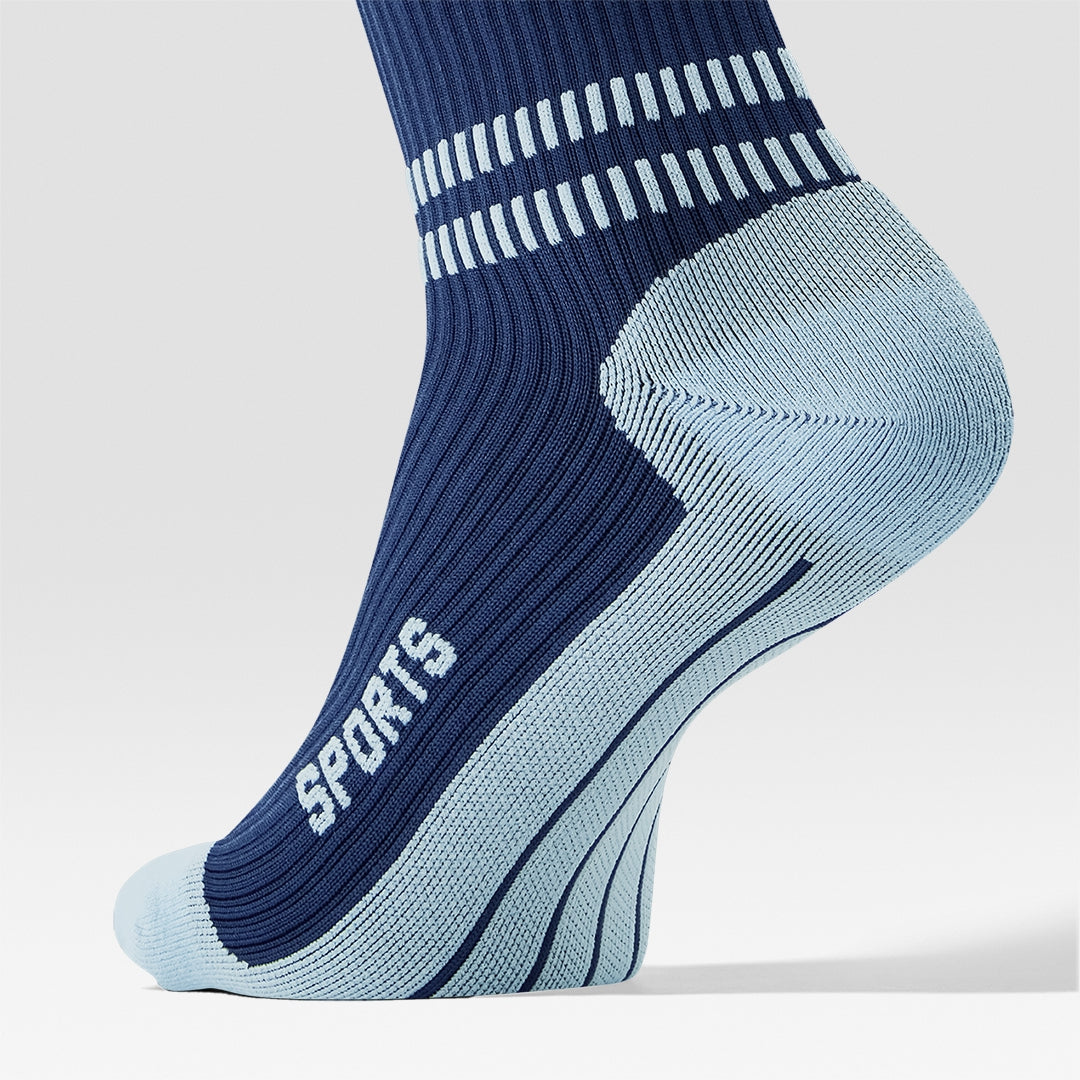
Most high‑performance socks blend synthetic fibers with natural yarns. Polyester and nylon excel at wicking moisture, while spandex adds stretch for a snug fit. Merino wool is a favorite for cooler climates because it regulates temperature and resists odor. Look for a toe seam that’s either flat‑knit or reinforced; this prevents rubbing that can quickly turn into a blister.
Construction matters, too. A double‑cushioned heel provides stability, while a ribbed arch band offers gentle compression without feeling restrictive. Some premium models feature a “ventilation panel”—a mesh zone that boosts airflow to the most sweat‑prone parts of the foot.
How to Choose the Right Pair
- Fit first. The sock should hug your foot without bunching. If it slides down during activity, it’s too loose.
- Activity match. Choose running socks for mileage, compression for recovery, and crew‑length for team sports.
- Thickness matters. Thin socks feel lighter but offer less padding; thicker socks protect more but can add heat.
- Check the cuff. A snug, non‑binding cuff stays in place, while a loose one can create folds that irritate the skin.
- Read the label. Look for terms like “moisture‑wicking,” “anti‑blister,” or “odor‑control” for added benefits.
Care and Maintenance
Proper care extends the life of your sports socks. Wash them inside out in cold water to preserve elasticity, and avoid fabric softeners—they can coat fibers and reduce wicking ability. Air‑drying is preferable; high heat from a dryer may shrink the knit and weaken compression zones. If you notice thinning in high‑stress areas, replace the pair before it turns into a hotspot for blisters.
Common Misconceptions
Many athletes think “thicker is always better,” but excessive cushioning can alter foot mechanics and actually increase fatigue. Similarly, the belief that cotton socks are “natural” and therefore ideal for sport is misleading; cotton retains moisture, creating a perfect breeding ground for friction burns. Finally, not all compression socks are created equal—look for graduated compression measured in mmHg (typically 15‑20 mmHg for athletic use) rather than generic “tight” socks.
Frequently Asked Questions
Do sports socks improve performance?
While they won’t make you run faster, proper socks help maintain foot comfort, reduce injury risk, and support circulation, all of which can indirectly boost performance.
How often should I replace my sports socks?
Most experts recommend a new pair every 30‑40 wear cycles, or sooner if you notice thinning, loss of elasticity, or persistent odor despite washing.
Are compression socks safe for everyone?
Generally yes, but individuals with certain circulatory conditions should consult a healthcare professional before using high‑compression models.
Can I wear sports socks for everyday use?
Absolutely. Many people find the comfort and moisture management benefits useful for long days on their feet, even outside the gym.