The Complete Guide to Choosing and Using a Shotgun Shooting Range
Shotgun shooting ranges offer a controlled environment where enthusiasts can practice, compete, and refine their skills with confidence. Whether you’re a seasoned competitor or just starting out, understanding the ins and outs of a shotgun shooting range is essential for safety, enjoyment, and progress. This guide walks you through everything you need to know—from selecting the right venue and gear to mastering techniques and maintaining your equipment.
Choosing the Right Shotgun Shooting Range
Not all ranges are created equal, and the best fit depends on your goals, budget, and local regulations. Here are the key factors to weigh:
- Facility Type – Indoor vs. outdoor, concrete vs. sand, permanent vs. temporary setups.
- Target Options – Steel plates, clay pigeons, paper targets, or a combination.
- Range Length & Layout – Typical distances range from 20 m for short‑range practice to 100 m or more for competition.
- Safety Measures – Check for adequate backstops, safety zones, and certified staff.
- Fees & Membership – Hourly rates, seasonal passes, and any additional costs for ammunition or equipment rental.
Visit each potential range to observe how they handle traffic, enforce rules, and support shooters of all skill levels. A well‑maintained range will feel organized, and staff should be approachable, ready to explain safety protocols and answer questions.
Essential Gear for the Shotgun Shooter
While a range may allow you to bring your own shotgun, it’s helpful to have a basic kit on hand to get the most out of each session.
- Shotgun – 12‑gauge is versatile for most activities; 20‑gauge is lighter for younger or smaller-framed shooters.
- Ammo – Choose the appropriate load (e.g., buckshot, birdshot, or slugs) based on your target type and distance.
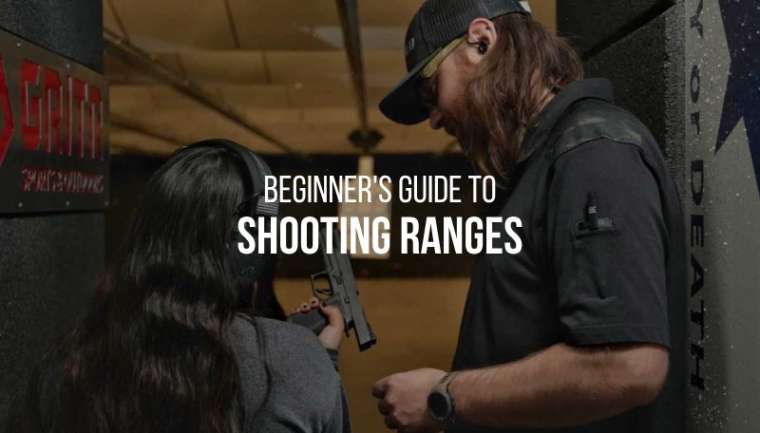
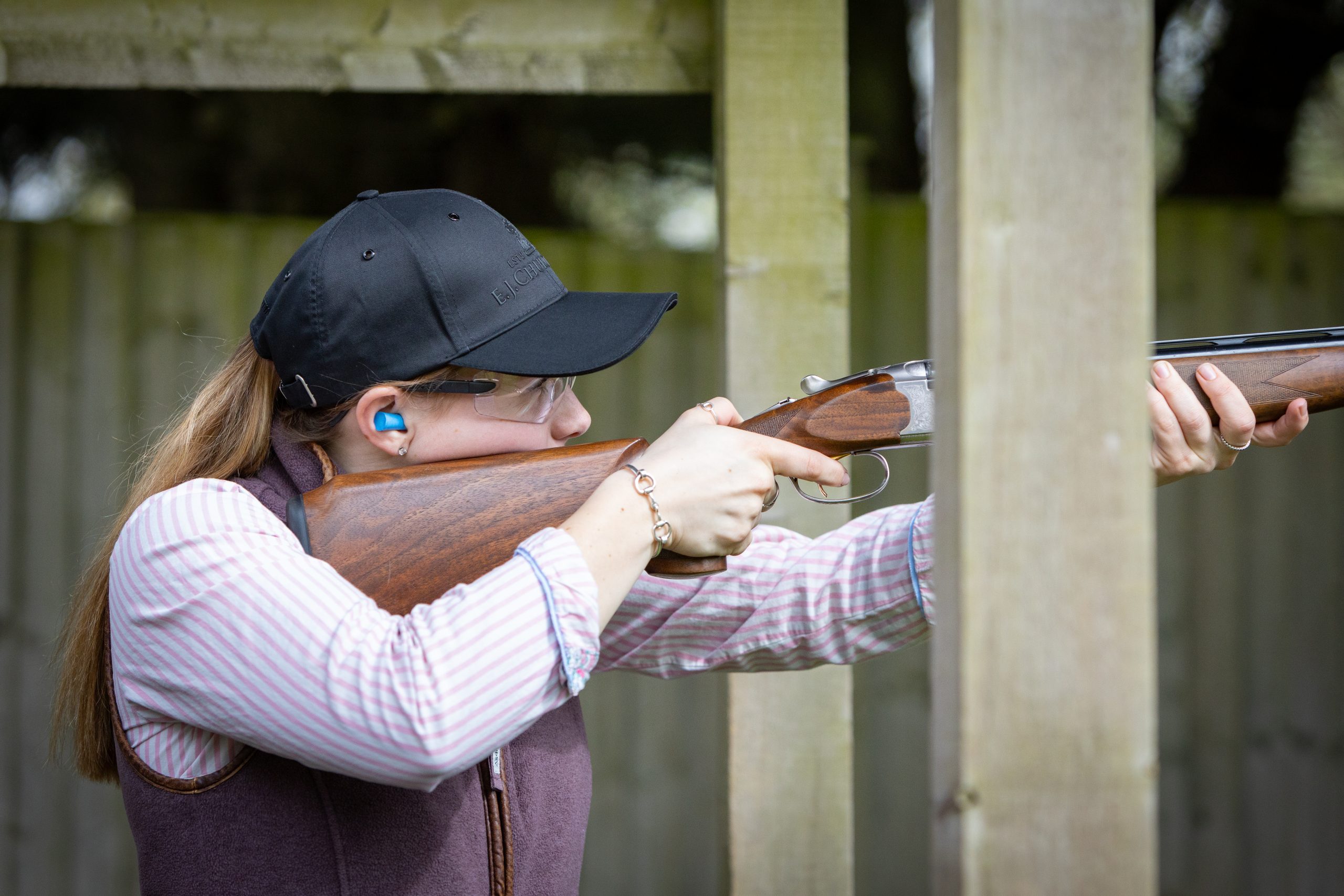
- Eye and Ear Protection – High‑quality goggles and ear plugs reduce injury risk.
- Clothing – Layered, breathable fabrics, comfortable shoes with good ankle support, and a vest if you’ll be moving between stations.
- Range Bag – Keep ammunition, chalk, cleaning supplies, and spare parts organized.
When in doubt, ask range staff for recommended gear or check local regulations that may dictate minimum safety equipment requirements.
Safety First: Rules and Best Practices
Shotgun ranges have strict safety protocols that every shooter must follow. Ignoring these guidelines can result in accidents or fines.
- Never shoot without a clear backstop. The area behind the target must safely absorb or deflect any stray projectiles.
- Use the designated shooting lane. Staggered rows are common; always remain in your lane until the gun has fired.
- Hold the shotgun properly. A firm grip, stable stance, and clear sight picture reduce misfires.
- Follow the “No Crossfire” rule. Stay away from other shooters’ lines of sight until it is safe to fire.
- Report hazards. If you spot a broken backstop or misaligned target, notify range officers immediately.
Remember that safety is a shared responsibility. Your teammates and the range staff are there to ensure everyone stays protected.
Practice Drills to Improve Your Shotgun Skills
Consistency is key to mastering shotgun shooting. Incorporate these drills into your routine to build muscle memory and precision.
- Target Transition Drill – Move between static targets and moving clay pigeons to develop quick target acquisition.
- Distance Accuracy Drill – Fire at targets set at 20 m, 30 m, and 50 m, recording hit rates for each distance.
- Speed and Accuracy Combo – Set a timer and attempt to hit a series of targets as fast as possible while maintaining accuracy.
- Recoil Control Practice – Practice controlled bursts to manage recoil and keep the shotgun in balance.
Track your progress with a shooting log, noting target types, distances, and hit ratios. Over time, the data will highlight areas that need refinement.
Maintaining Your Shotgun and Accessories
Proper upkeep extends the life of your equipment and ensures reliability when it matters most.
- Clean after each use. Remove shot residue from the barrel, choke, and action with a brush and solvent.
- Check for wear. Inspect the stock, trigger, and bolt for signs of damage or loosening.
- Store in a dry environment. Use a gun case or a dedicated storage area to protect against humidity.
- Replace worn parts promptly. Chokes, sights, and grips are common wear points that impact performance.
Follow the manufacturer’s maintenance schedule, and keep a record of any repairs or replacements for future reference.
Getting Started: First Steps for New Shooters
1. Register – Most ranges require a membership or one‑time registration.
2. Take a safety briefing – Even if you’ve shot before, each venue may have unique rules.
3. Set realistic goals – Whether it’s improving your break‑shot technique or qualifying for a competition, a clear target keeps practice focused.
4. Practice regularly – Consistency beats intensity; a few focused sessions per week yield better results than sporadic bursts of activity.
FAQs About Shotgun Shooting Ranges
- What is the typical cost of using a shotgun shooting range? Most ranges charge hourly rates ranging from $15 to $40, depending on location and amenities. Memberships can offer discounted rates.
- Can I bring my own ammunition? Yes, but confirm with the range. Some venues prohibit certain loads or require the ammo be sold on site.
- Are there age restrictions? Most ranges require shooters to be at least 16–18 years old, and minors must have a