Spring Greens vs. Collard Greens: Are They the Same?
Leafy greens are a staple of healthy kitchens, but the world of greens can feel confusing. Two names that often crop up—spring greens and collard greens—sound similar, yet they belong to different culinary traditions and have distinct flavors. If you’ve ever wondered whether these greens are interchangeable or truly the same, you’re in the right place.
What Exactly Are Spring Greens?
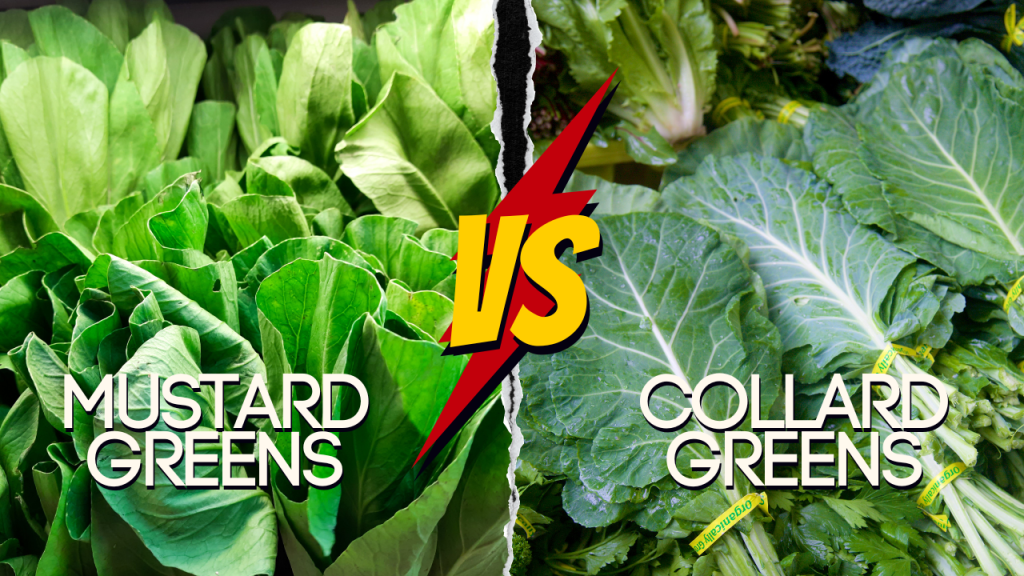
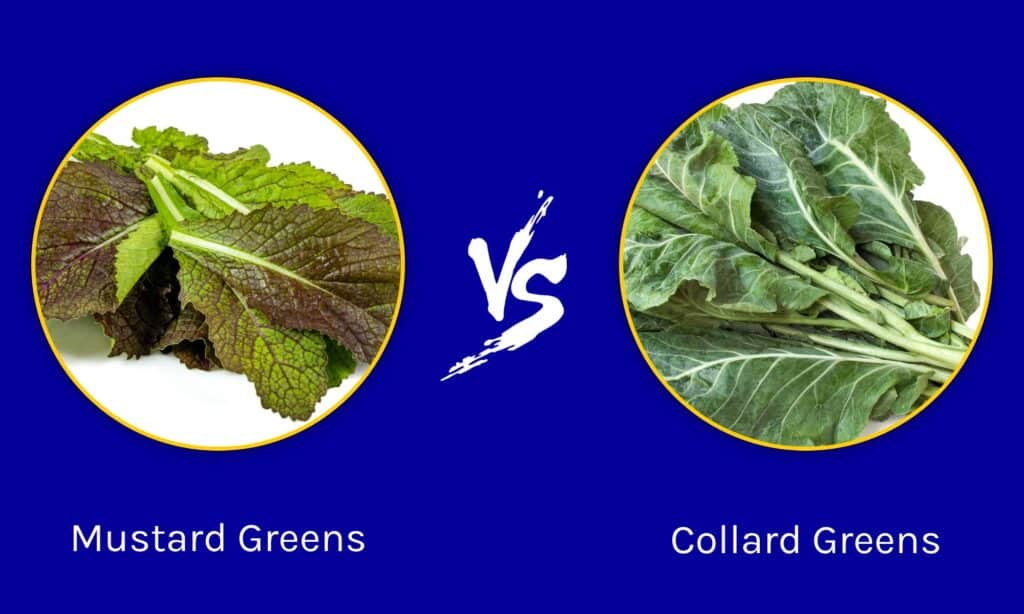
“Spring greens” is a collective term that refers to a handful of leafy vegetables harvested early in the growing season. The most common varieties include baby bok choy, watercress, arugula, mustard greens, and collard greens in some regions. These greens are prized for their tender leaves, mild or peppery flavor, and quick growth. Because they’re harvested in cooler months, they tend to be less bitter and more delicate than their late‑season counterparts.
What Exactly Are Collard Greens?
Collard greens belong specifically to the Brassica oleracea family, which also includes cabbage, broccoli, and kale. They’re characterized by large, dark green, glossy leaves with a slightly fibrous texture. Historically popular in the Southern United States, collards have a robust, earthy flavor that deepens with slow cooking. They’re a staple in dishes like collard green soup, collard greens with ham hocks, and the classic Southern collard green casserole.
Nutritional Showdown
Both greens are nutritional powerhouses, but their profiles differ slightly:
- Spring greens (e.g., bok choy, arugula) are low in calories but high in vitamin C, vitamin K, and folate.
- Collard greens deliver more vitamin A, vitamin C, and calcium, and contain notable amounts of dietary fiber.
Because collards have tougher fibers, they often require longer cooking to tenderize, whereas spring greens can be sautéed, blanched, or eaten raw within minutes.
Culinary Roles
Flavor and texture dictate how each green is used in the kitchen:
- Spring greens shine in quick stir‑fries, salads, or as a light garnish. Their mild taste allows them to blend seamlessly with bold sauces or herbs.
- Collard greens thrive in slow‑cooked dishes. Their hearty leaves absorb smoky or savory liquids, making them perfect for stews, braises, or traditional Southern cooking.
Growing Conditions and Harvest Times
These greens are cultivated under different environmental needs:
- Spring greens prefer cooler temperatures and can be planted early in spring or fall. They mature in 30–45 days.
- Collard greens tolerate heat better but still enjoy a cooler start. They take 60–90 days to reach maturity, which means they’re often available in late summer through fall.
Are They Truly the Same?
Despite occasional overlap—collard greens sometimes fall under the umbrella of spring greens when harvested early—technically they’re not the same. Collard greens are a specific variety with distinct taste and texture, whereas spring greens encompass several different species. In everyday cooking, people may swap them, but the experience can vary.
Choosing the Right Green for Your Plate
Decide based on texture, flavor, and cooking method:
- Use spring greens when you want a light, fresh bite that doesn’t overpower sauces.
- Opt for collard greens when a dish needs depth and a firm bite that can hold up in long stews.
Storage and Shelf Life
Their differing textures affect how you store them:
- Spring greens: Keep in a perforated plastic bag in the fridge for up to 5 days. They wilt quickly, so use them soon after purchase.
- Collard greens: Store in a sealed container; they can stay fresh for 7–10 days if kept moist. Their leaves resist wilting better due to the robust fibers.
Quick Recipes to Try
- Light Summer Sauté: Toss baby bok choy with garlic, ginger, and a splash of soy sauce. Finish with a sprinkle of sesame seeds.
- Classic Southern Collard Greens: Simmer collards with smoked ham hocks, onion, garlic, and a pinch of red pepper flakes. Serve over cornbread.
FAQs
- Are spring greens and collard greens part of the same family? Both are Brassicaceae, but collard greens are a specific member while spring greens refer to several different species.
- Can I substitute collard greens for spring greens in a salad? Yes, but the texture will be firmer and the flavor will be earthier.
- Do collard greens require more cooking than spring greens? Typically, collards benefit from longer, slower cooking to break down their fibrous leaves.
- Which is richer in calcium? Collard greens contain more calcium than most spring greens.