South Korea’s Walmart‑Style Retail Giants: E‑Mart, Lotte Mart & More
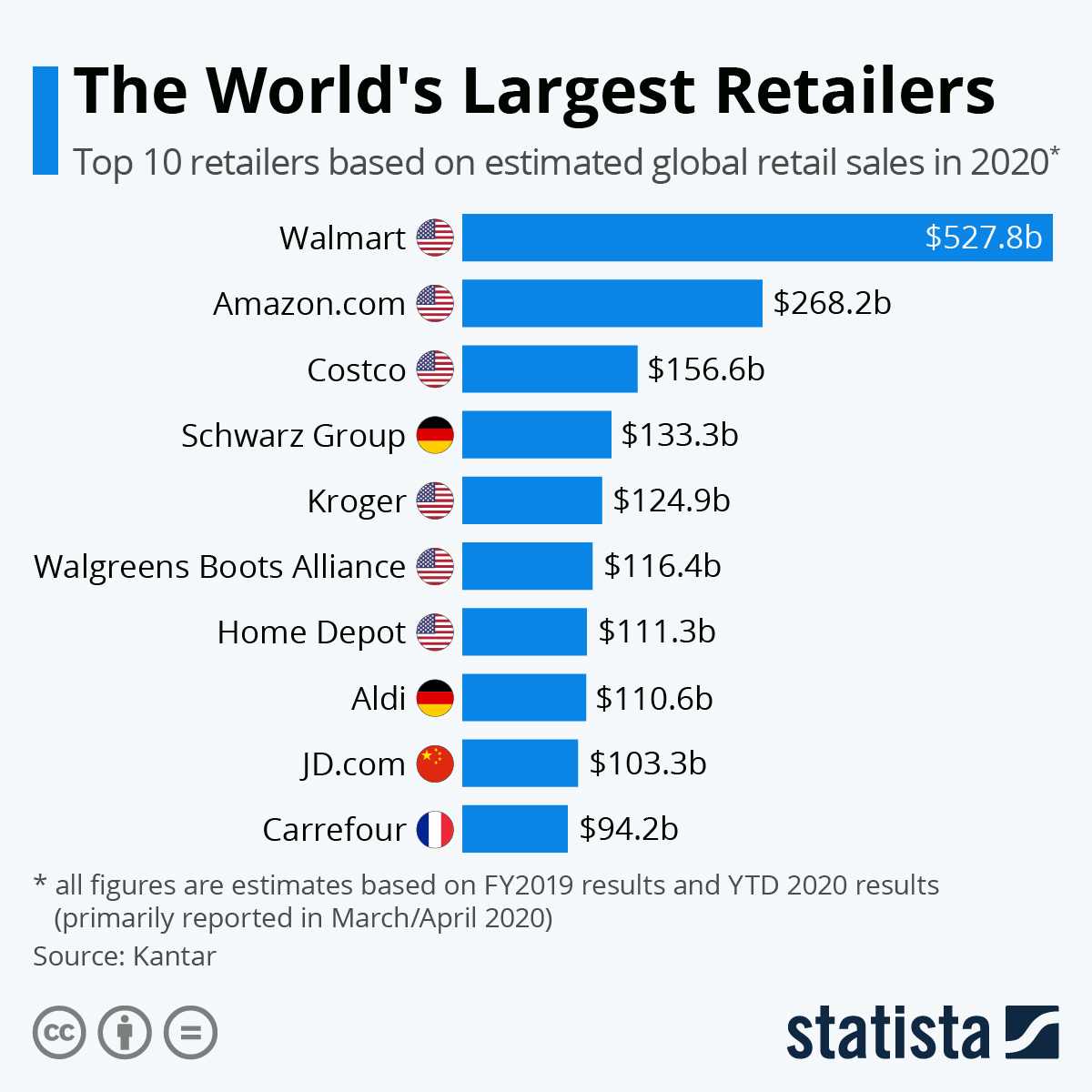
When you think of a one‑stop, low‑price shopping experience, Walmart instantly comes to mind. In South Korea, the closest equivalents are home‑grown discount chains that dominate the hyper‑market scene. From sprawling E‑Mart outlets to the sleek aisles of Lotte Mart, these retailers blend bulk pricing with a surprisingly wide product mix, making them the go‑to spots for everything from fresh produce to electronics.
Walmart’s South Korean Equivalent: The Big Players
South Korea’s retail landscape is anchored by three major discount operators, each carving out its own niche while sharing Walmart’s core promise: low prices and extensive selection. Below is a quick snapshot of who they are and what sets them apart.
- E‑Mart – The market leader, owned by Shinsegae Group, with roughly 150 hyper‑markets and specialty stores nationwide.
- Lotte Mart – A close second, part of the conglomerate Lotte, operating about 70 large‑format stores plus several outlet locations.
- Homeplus – Formerly a Tesco joint venture, now owned by MBK Partners, running around 140 stores and a growing online platform.
Why South Korea Craves a Walmart‑Style Experience
Urban density and high living costs have pushed Korean shoppers to value convenience and price transparency. Discount retailers meet that demand by stacking groceries, household goods, and tech under one roof, often with extended hours and robust delivery options. The model also appeals to busy families who prefer a single trip over juggling multiple specialty shops.
E‑Mart: The Home‑grown Powerhouse
E‑Mart pioneered the Korean hyper‑market concept in the early 1990s. Its stores typically span 10,000–15,000 sq ft, featuring everything from fresh seafood to home appliances. What distinguishes E‑Mart is its aggressive private‑label range, which mirrors Walmart’s Great Value line, offering comparable quality at lower price points. In addition, the chain has rolled out “E‑Mart Mall” sections that host small boutique brands, adding a touch of variety without compromising the discount ethos.
Key Strengths
- Nationwide footprint ensures accessibility even in smaller cities.
- Strong loyalty program (E‑Mart Pay) integrates discounts with mobile payments.
- Continuous expansion into e‑commerce, with same‑day delivery in major metros.
Lotte Mart: The Upscale Discount Challenger
Lotte Mart blends the scale of a discount retailer with the polish of a department store. While its pricing remains competitive, you’ll notice a more curated selection of imported goods and a larger emphasis on fresh food courts, complete with Korean barbecue stations and sushi bars. The chain also operates “Lotte On,” a click‑and‑collect service that’s become popular among office workers.
What Sets Lotte Mart Apart
- Integrated shopping malls that combine cinema, dining, and retail.
- Frequent promotional events tied to holidays and Korean festivals.
- Strategic placement of “Lotte Super” smaller formats in dense urban neighborhoods.
Homeplus: The International Influence
Homeplus carries the legacy of its Tesco roots, evident in its emphasis on bulk packaging and everyday low‑price guarantees. The chain has leaned heavily into technology, deploying self‑checkout kiosks and a sophisticated mobile app that tracks spending trends. Homeplus also operates “Homeplus Express” convenience stores, extending its reach to 24‑hour shoppers.
Notable Features
- Extensive private‑label catalog, often priced lower than comparable national brands.
- Robust online marketplace, offering everything from groceries to electronics.
- Partnerships with local farmers to source fresh produce, supporting regional agriculture.
Other Noteworthy Players
While E‑Mart, Lotte Mart, and Homeplus dominate the discount arena, a few other chains deserve a mention. Shinsegae Food Mart operates upscale supermarkets that focus on premium ingredients, appealing to food‑enthusiasts willing to pay a bit more. Costco, though a foreign brand, has carved out a niche among Korean shoppers who appreciate its bulk‑only model and membership perks.
Choosing the Right Store for Your Needs
If price is your primary concern, E‑Mart’s extensive private‑label selection often offers the deepest discounts. For a blend of value and a more refined shopping environment, Lotte Mart’s food courts and mall amenities make it a strong contender. Meanwhile, tech‑savvy shoppers who prioritize seamless online ordering may gravitate toward Homeplus’s digital ecosystem.
FAQ
Q: Which South Korean retailer is most similar to Walmart?
A: E‑Mart is generally considered the closest equivalent, thanks to its size, product range, and focus on low‑price everyday items.
Q: Do these stores offer online shopping?
A: Yes. All three major chains—E‑Mart, Lotte Mart, and Homeplus—provide robust e‑commerce platforms with delivery or click‑and‑collect options.
Q: Are there any membership programs like Walmart’s Savings Catcher?
A: E‑Mart Pay and Lotte On both function as loyalty schemes, offering points, coupons, and personalized discounts based on purchase history.
Q: How do Korean discount retailers handle fresh produce?
A: Fresh sections are a focal point, often featuring live seafood tanks, on‑site butchers, and ready‑to‑eat stations that rival dedicated market stalls.