Solar Power Plant Remote Monitoring Systems: A Deep Dive
In the age of smart grids, a solar power plant’s lifeblood is its ability to stay online and efficient. Remote monitoring systems have become the unseen guardians that keep panels humming, transformers stable, and data flowing to operators around the clock. This article unpacks how these systems work, why they matter, and what operators can expect when they integrate one into their operations.
What Is a Remote Monitoring System?
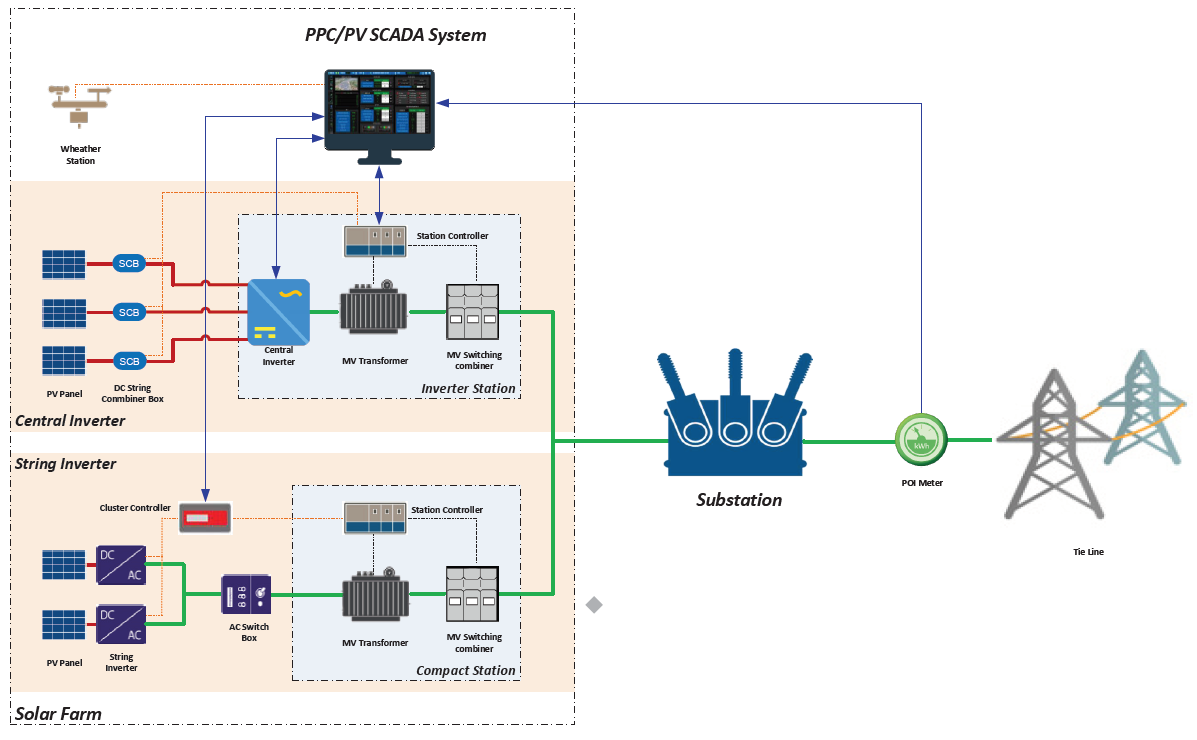
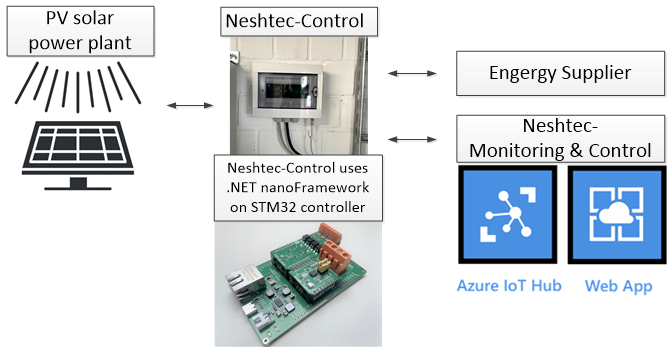
A remote monitoring system is a networked platform that collects, processes, and displays real‑time data from a solar plant’s components. Think of it as a digital nervous system: sensors probe every inverter, string, and weather station, sending telemetry to a central dashboard. The software then interprets this stream, flags anomalies, and, in many cases, triggers automated responses.
Key Components of Solar Remote Monitoring
- Field Sensors: Temperature probes, irradiance meters, and voltage/current sensors embedded in panels and inverters.
- Data Acquisition Units: Modbus or CAN‑bus gateways that aggregate sensor data.
- Communication Infrastructure: Cellular, satellite, or fiber links that transmit data to the cloud.
- Analytics Engine: Algorithms that calculate performance indices, detect faults, and predict maintenance windows.
- Operator Dashboard: A user‑friendly interface displaying KPIs, alerts, and historical trends.
- Integration Layer: APIs that feed data into enterprise resource planning (ERP) or asset management systems.
Benefits for Plant Operators
Remote monitoring offers tangible gains that ripple across financial, operational, and compliance dimensions:
- Reduced Downtime: Early fault detection cuts outage time by up to 30% in many installations.
- Optimized Energy Yield: Real‑time tilt and orientation adjustments can boost output by a few percent.
- Predictive Maintenance: Wear‑out trends are identified before components fail, extending life and reducing spares inventory.
- Data‑Driven Decision Making: Operators can move from reactive to proactive management, reallocating labor where it’s needed most.
- Regulatory Compliance: Accurate performance reporting satisfies grid interconnection and incentive program requirements.
How Data Drives Decision-Making
Data is only valuable when it translates into action. Most platforms provide a layered analytics approach:
- Descriptive Analytics: Daily yield reports, temperature‑vs‑output curves, and inverter status summaries.
- Diagnostic Analytics: Root‑cause analysis of performance dips, pinpointing specific strings or modules.
- Predictive Analytics: Forecasting degradation rates and estimating future output, often powered by machine‑learning models.
- Prescriptive Analytics: Recommendations such as “schedule cleaning on day 12” or “replace module A-5 at 48 months.”
By integrating these insights, operators can schedule maintenance during low‑generation periods, adjust panel angles, or even reorder parts before a failure turns into a costly outage.
Challenges and Best Practices
Implementing a robust remote monitoring solution is not a plug‑and‑play affair. Common hurdles include:
- Connectivity Reliability: Remote sites may suffer from weak cellular coverage. Hybrid communication (cell + satellite) can mitigate this risk.
- Data Security: Ensuring encryption and secure authentication protects both operational integrity and intellectual property.
- Integration Complexity: Aligning vendor platforms with legacy SCADA or ERP systems requires careful API mapping.
- Skill Gap: Operators need training to interpret dashboards and respond to alerts effectively.
Best practices involve conducting a full audit of existing assets, selecting a vendor with proven field experience, and establishing a phased rollout that starts with critical assets before expanding plant‑wide.
Future Trends
The next generation of remote monitoring is moving beyond simple telemetry toward full digital twins:
- Edge Computing: On‑site processors analyze data locally, reducing latency and bandwidth usage.
- AI‑Enhanced Fault Detection: Deep‑learning models can differentiate between false positives and true faults with higher accuracy.
- Integration with Energy Storage: Monitoring systems will increasingly orchestrate battery dispatch alongside solar generation.
- Blockchain for Asset Provenance: Immutable logs of performance data can aid in asset financing and resale.
These innovations promise smarter, more resilient solar plants that adapt automatically to changing conditions.
FAQs
Q1: How often should I review my remote monitoring dashboard?
A1: A daily review is ideal for spotting anomalies early, while weekly and monthly summaries help track long‑term trends and maintenance needs.
Q2: Do remote monitoring systems increase my operational costs?
A2: Initial investment covers hardware, software licenses, and connectivity. Over time, savings from reduced downtime and optimized maintenance usually outweigh these costs.
Q3: Can a remote monitoring system replace on‑site technicians?
A3: No. It augments human expertise by providing timely data, but skilled technicians remain essential for complex repairs and site inspections.
Q4: What cybersecurity measures are essential?
A4: Enforce encryption (TLS), use VPN tunnels, implement role‑based access controls, and conduct regular penetration testing to safeguard your plant’s data.