Revenue Expenditure Explained: A Simple Guide
When you hear the term “revenue expenditure,” it often feels like accounting jargon reserved for finance departments. In reality, it’s a straightforward concept that pops up in everyday business decisions—from buying office supplies to paying employee salaries. Understanding the difference between revenue and capital spending can help managers, investors, and even casual readers grasp how companies track their costs and assess profitability.
What Exactly Is Revenue Expenditure?
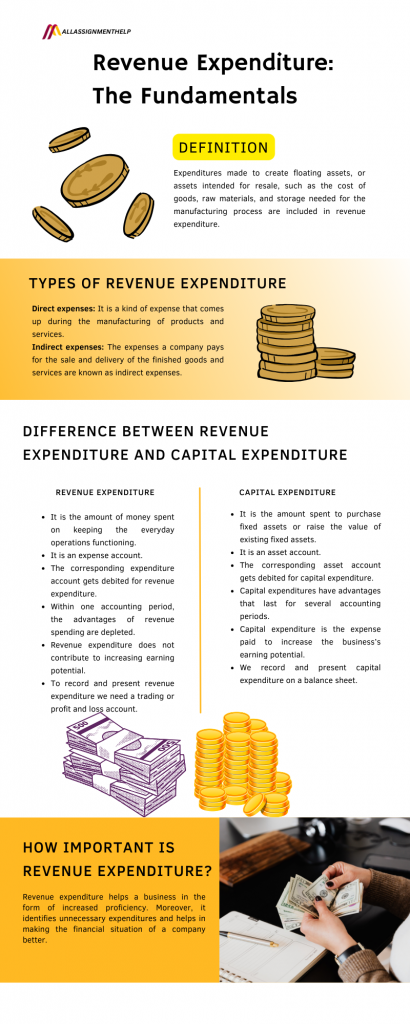
Revenue expenditure refers to any cost that a business incurs to keep its day‑to‑day operations running smoothly. These expenses are typically short‑term, meaning they are used up within the current accounting period and do not provide benefits beyond that year. Think of items like utilities, rent, wages, and routine maintenance. Because they are consumed quickly, they are recorded directly on the income statement as operating expenses, reducing the period’s profit.
How It Differs From Capital Expenditure
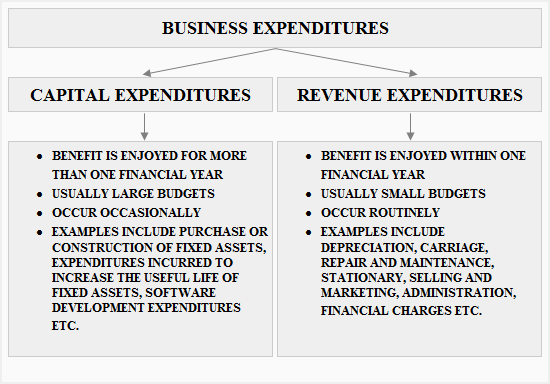
It’s easy to confuse revenue expenditure with capital expenditure (CapEx), especially when both involve spending money. The key distinction lies in the longevity of the benefit:
- Revenue expenditure: Benefits last less than a year; recorded as expenses.
- Capital expenditure: Benefits extend beyond a year; recorded as assets and depreciated over time.
For example, purchasing a new computer for an employee is a capital expense if it will be used for several years, while the monthly internet bill for that computer is a revenue expense.
Why Companies Track Revenue Expenditure Separately
Separating these costs serves several practical purposes. First, it provides a clearer picture of a firm’s operating efficiency. By isolating day‑to‑day costs, analysts can calculate metrics like operating margin and EBITDA more accurately. Second, tax regulations often treat revenue and capital expenditures differently, influencing how much a business can deduct in a given year. Finally, budgeting becomes simpler; managers can allocate a specific “operating budget” for revenue expenses and a separate “investment budget” for capital projects.
Common Types of Revenue Expenditure
While the exact list varies by industry, most businesses encounter these recurring costs:
- Personnel costs: Salaries, wages, bonuses, and payroll taxes.
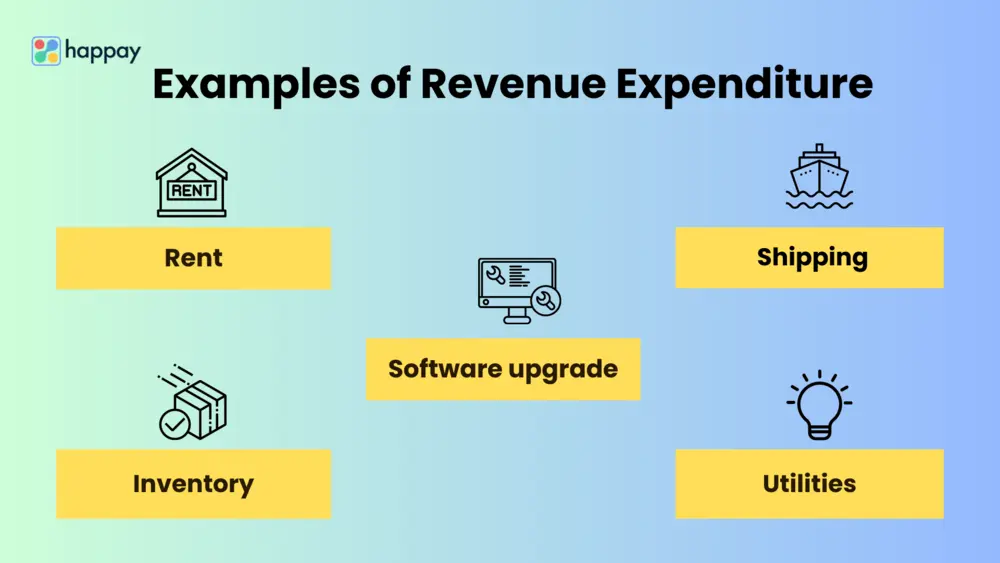
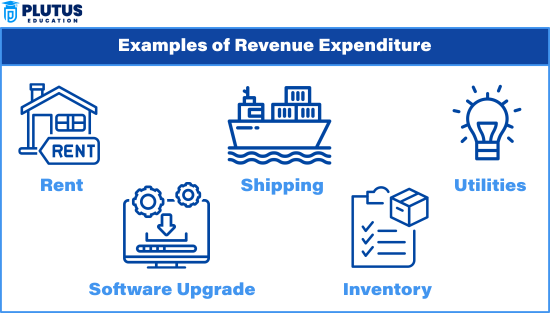
- Rent and utilities: Office space, electricity, water, and heating.
- Supplies and consumables: Office stationery, cleaning products, and raw materials that are used up quickly.
- Maintenance and repairs: Routine servicing of equipment, vehicles, or facilities.
- Marketing and advertising: Campaigns, online ads, and promotional events aimed at boosting sales.
These items show up on the income statement under various expense categories, each contributing to the bottom line for the reporting period.
Impact on Financial Statements
On the income statement, revenue expenditures are deducted from gross revenue to arrive at net profit. Because they are not capitalized, they do not appear on the balance sheet as assets. However, the cumulative effect of high revenue expenses can signal operational inefficiency, prompting investors to question a company’s cost‑control measures.
Conversely, on the cash flow statement, revenue expenditures are reflected in the “operating activities” section. This helps stakeholders see how much cash a company actually spends to maintain its core business functions, separate from cash used for long‑term investments.
When Revenue Expenditure Might Be Misclassified
Mislabeling a capital expense as a revenue expense can distort a firm’s financial health. For instance, treating a major equipment upgrade as a regular repair expense inflates operating costs and understates assets. This practice can lead to misleading profit margins and affect loan covenants that rely on accurate asset reporting. Auditors typically watch for such misclassifications, especially in industries with high equipment turnover.
Practical Tips for Managing Revenue Expenditure
Effective management of these costs often starts with a disciplined budgeting process. Here are a few strategies that companies find useful:
- Implement a zero‑based budgeting approach, where each expense must be justified anew each period.
- Use expense‑tracking software to monitor real‑time spending and flag anomalies.
- Negotiate longer‑term contracts for utilities or services to lock in lower rates.
- Encourage department heads to review recurring expenses quarterly and eliminate unnecessary items.
These steps not only tighten cash flow but also free up resources that can be redirected toward growth initiatives.
Revenue Expenditure in Different Business Models
Service‑oriented firms, such as consulting agencies, typically have higher personnel costs, making payroll the dominant revenue expense. Retail businesses, on the other hand, may see rent and utilities dominate their expense structure, especially in high‑traffic locations. Manufacturing firms often allocate a significant portion of revenue expenditure to routine equipment maintenance, ensuring production lines stay operational.
Understanding the composition of revenue expenses within a specific industry can reveal where efficiency gains are most attainable.
Bottom Line: Why It Matters
Revenue expenditure may seem mundane, but it is a critical barometer of a company’s operational health. By keeping a close eye on these costs, stakeholders can gauge profitability, assess cash‑flow sustainability, and identify opportunities for cost reduction. In short, a solid grasp of revenue expenditures equips anyone—from CEOs to casual investors—with the insight needed to make informed financial decisions.
Frequently Asked Questions
What is the main difference between revenue and capital expenditure?
Revenue expenditure covers short‑term costs that are fully consumed within the accounting period, while capital expenditure involves spending on assets that provide benefits over multiple years.
Can revenue expenditure be capitalized?
Generally, no. Only costs that meet specific criteria—such as extending an asset’s useful life—can be capitalized. Misclassifying expenses can lead to inaccurate financial statements.
How does revenue expenditure affect taxes?
Most revenue expenses are fully deductible in the year they are incurred, which reduces taxable income. Capital expenses, however, are typically depreciated over the asset’s useful life, spreading the tax benefit over several years.
What tools help track revenue expenditure?
Accounting software like QuickBooks, Xero, or ERP systems often include modules for expense tracking, budget variance analysis, and real‑time reporting, making it easier to stay on top of operating costs.