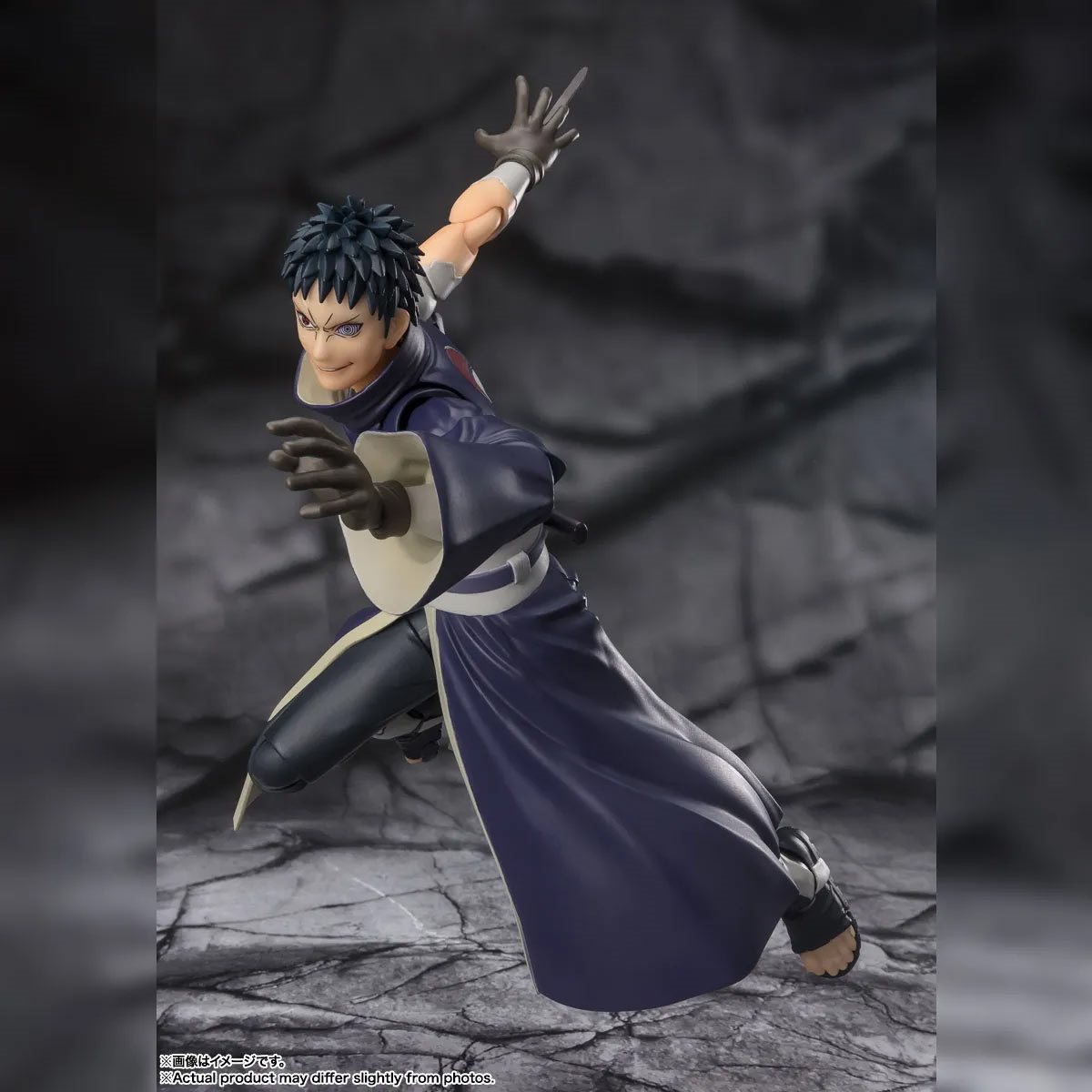
Obito Uchiha Explained: The S‑Rank Ninja Shaping Naruto’s Story
Unraveling Obito Uchiha, the S‑Rank ninja in Naruto, feels a bit like peeling back layers of a masked mystery. From his first appearance as a shadowy figure in the original series to his later revelation as one of the most pivotal antagonists, Obito’s journey is riddled with tragedy, power, and unexpected twists. Understanding why he’s classified as S‑Rank—and what that actually means—helps fans appreciate the depth of his influence on the shinobi world.
From Masked Antagonist to Tragic Hero
Obito first surfaces during the Third Great Ninja War, a rookie from the Uchiha clan who dies in a catastrophic battle. Rescued—or rather, manipulated—by Madara Uchiha, he adopts the moniker “Tobi” and a distinctive half‑mask. For years, his true identity remains a well‑guarded secret, allowing him to pull strings from behind the scenes.
What makes his story compelling isn’t just the villainous deeds. The moment we learn about his love for Rin Nohara and his shattered ideals, the character shifts from a one‑dimensional threat to a profoundly broken individual. This transformation fuels the emotional weight behind his later actions, especially during the Fourth Great Ninja War.
What Defines an S‑Rank Ninja?
In the shinobi hierarchy, “S‑Rank” denotes abilities that eclipse even the legendary “A‑Rank” classification. It’s not a title handed out lightly; only a handful of characters earn it, and each possesses a combination of raw power, unique jutsu, and strategic acumen.
- Exceptional Chakra Reserves: Obito’s Sharingan, later upgraded to the Rinnegan, grants him an almost limitless pool of chakra.
- Versatile Jutsu Arsenal: From the space‑warping Kamui to the devastating Ten‑Tails' Baryon Mode, his techniques span offense, defense, and manipulation.
- Strategic Mastery: Even while hidden behind a mask, Obito orchestrates large‑scale conflicts, showing a keen understanding of geopolitics and human psychology.
These traits place him squarely among the elite, explaining why both allies and enemies treat him with a mix of fear and respect.
Obito’s Role in the Fourth Great Ninja War
The war serves as the grand stage for Obito’s most ambitious plans. After reviving the Ten‑Tails, he seeks to cast the world into an infinite illusion—“Tsukuyomi” on a planetary scale—hoping to eradicate pain by erasing reality itself. This plan, while monstrous, is rooted in his personal anguish over loss.
His battle tactics reveal a blend of brute force and cunning deception. By sharing his body with the Ten‑Tails, he becomes a living weapon, yet he also manipulates other major players, such as Madara and Kaguya, to further his goals. The climactic showdown against Naruto, Sasuke, and the Allied Shinobi Forces showcases not just his power, but also his lingering humanity, as he ultimately chooses redemption over annihilation.
Legacy and Fan Perception
Obito’s legacy is a paradox. On one hand, he’s remembered for the cataclysmic events that threatened the entire shinobi world. On the other, his backstory invites sympathy, turning many fans into reluctant admirers. This duality fuels endless debates on forums, fan art, and even academic analyses of moral ambiguity in shōnen narratives.
Beyond the series, his character has inspired merchandise, spin‑off stories, and cosplay trends. The half‑mask itself has become an iconic symbol, instantly recognizable to anyone who’s followed the series. Whether you view him as a tragic victim of circumstance or a calculated mastermind, Obito’s impact on the Naruto universe is undeniable.
Key Powers and Techniques at a Glance
For those looking to quickly recall Obito’s most notable abilities, here’s a concise rundown:
- Kamui: A space‑time ninjutsu that lets him become intangible or transport objects across dimensions.
- Rinnegan (Six‑Paths): Grants access to Six Paths techniques, including the powerful Shinra Tensei and Deva Mode.
- Ten‑Tails' Jinchūriki Powers: Amplifies his chakra, allowing massive destructive attacks like the Chibaku Tensei.
- Baryon Mode: A temporary, high‑risk transformation that merges his chakra with the Ten‑Tails for unprecedented strength.
Why Obito Still Captivates Audiences
Part of the allure lies in his layered narrative. He is a reminder that heroes can fall, and villains can possess redeeming qualities. In a genre often defined by clear‑cut good versus evil, Obito blurs the line, prompting viewers to question the nature of sacrifice, destiny, and forgiveness.
Moreover, his evolution from a background participant to the central antagonist mirrors the series’ broader theme: the past continually shapes the present. As new generations of shinobi grapple with the consequences of his actions, the story underscores the cyclical nature of conflict and the hope for breaking that cycle.
FAQ
What is the significance of Obito’s half‑mask?
The mask serves both practical and symbolic purposes. Practically, it conceals his identity while allowing him to use Kamui without exposing his eyes. Symbolically, it represents his fractured psyche—half hidden, half revealed.
How does Obito’s S‑Rank status compare to Madara’s?
Both are S‑Rank, but their paths differ. Madara’s power stems from his innate mastery of the Sharingan and his early acquisition of the Rinnegan. Obito, meanwhile, gains S‑Rank abilities through external augmentation—Madara’s teachings, the Ten‑Tails, and later, the Rinnegan’s gifts.
Did Obito ever truly become a villain?
His actions certainly placed him in the role of antagonist, yet his motivations were rooted in personal grief and a misguided desire for peace. This nuance keeps the debate alive among fans.
Is Obito’s redemption considered canon?
Yes. In the series finale, he sacrifices himself to aid Naruto and Sasuke, sealing the Ten‑Tails and acknowledging his past mistakes—a decisive act of redemption.