Nissan Tiida 2010 Automatic: Common Problems and Fixes
The 2010 Nissan Tiida automatic is a practical compact car that still shows up on used‑lot shelves. Owners appreciate its roomy cabin and decent fuel mileage, but like any ten‑year‑old vehicle, it has a handful of quirks that tend to surface after a few hundred thousand kilometres. Knowing which issues are most likely can save you time, money, and a lot of frustration.
Common Issues with the 2010 Nissan Tiida Automatic
Across forums and repair shops, three problem areas dominate discussions: engine performance, transmission reliability, and electrical gremlins. Each stems from either normal wear or a design choice that shows its age. Below is a quick rundown of what you’re most likely to encounter.
Engine Performance Complaints
- Rough idle or stalling – Often linked to a dirty or failing idle air control valve, which struggles to keep the engine’s air‑fuel mixture steady at low speeds.
- Reduced power on acceleration – A clogged fuel filter or a weak fuel pump can starve the engine, making the throttle feel sluggish.
- Excessive oil consumption – The Tiida’s 1.8‑litre engine uses piston rings that, over time, may allow oil to seep into the combustion chamber.
Most of these symptoms improve after a thorough cleaning of the throttle body, replacing the idle air control valve, or swapping out the fuel filter. If oil consumption remains high, a professional ring‑reconditioning service is worth considering before the engine reaches the point of severe wear.
Transmission Concerns
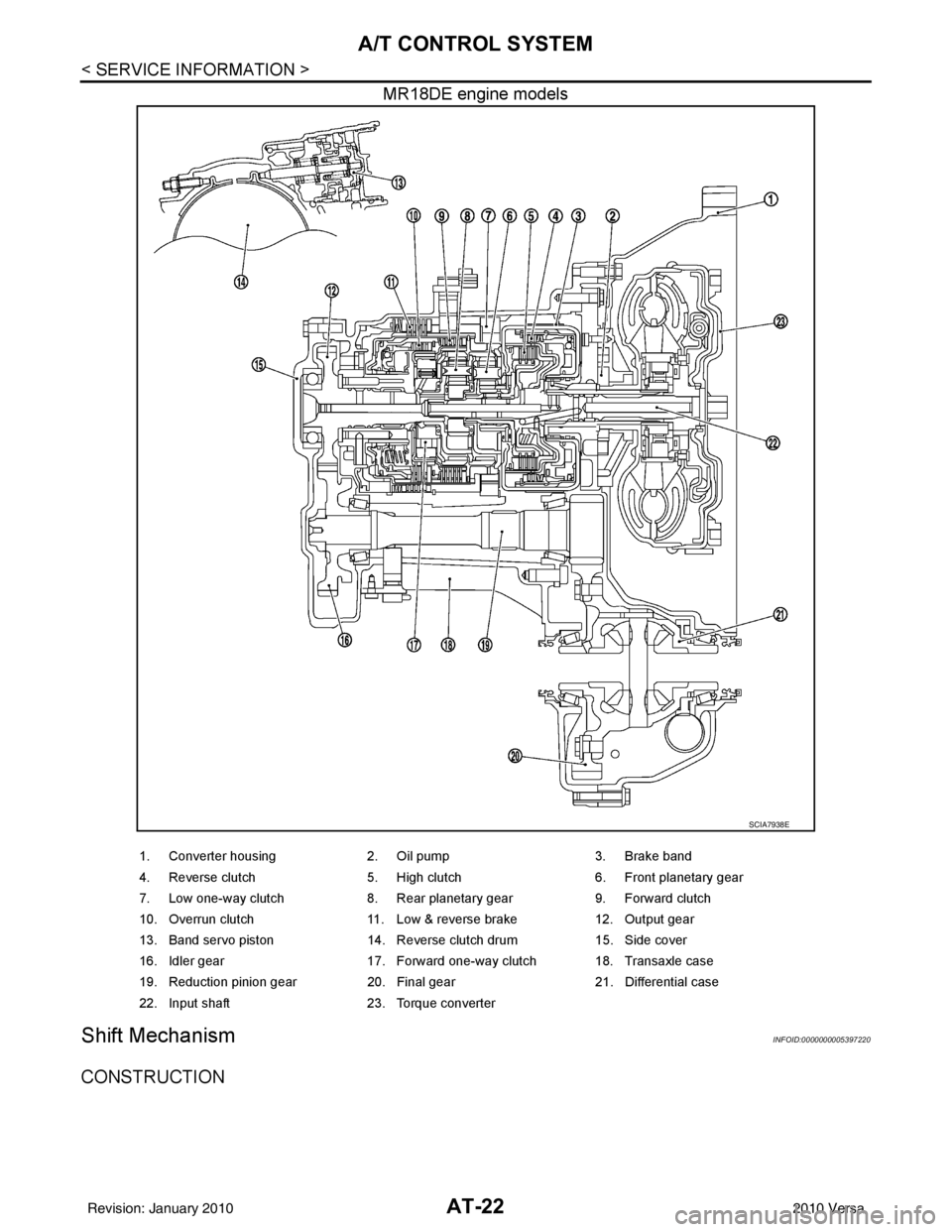
- Delayed engagement – The CVT (continuously variable transmission) can hesitate if the transmission fluid is low or degraded.
- Shuddering at low speeds – A common complaint that usually points to worn belt pulleys or a failing torque converter.
- Check‑engine light flashing – Often a sensor error that can be cleared, but repeated flashes suggest the control module needs recalibration.
Start by checking the transmission fluid level and condition; a burnt smell or dark colour indicates it’s time for a flush. For shuddering, a qualified mechanic can inspect the belt and pulleys, which are relatively inexpensive to replace compared to a full CVT rebuild.
Electrical Gremlins
- Power‑window failures – The Tiida’s window motors are prone to overheating, especially if the switches are used frequently.
- Dashboard warning lights – The instrument cluster can develop loose connections, causing intermittent illumination of the ABS or air‑bag warnings.
- Key‑fob battery drain – Some owners report that the remote loses power faster than expected, often due to a faulty anti‑theft antenna.
A quick visual inspection of the window motor wiring can reveal corroded contacts that are easily cleaned. For persistent dashboard warnings, disconnecting the battery for a few minutes can reset the ECU, but if the light returns, a diagnostic scan is the safest route.
Interior Wear and Comfort Issues
While not mechanically critical, interior problems can affect daily enjoyment. The cloth seats tend to develop wear spots near the thighs, and the cabin’s air‑conditioning vents can become clogged with dust, reducing cooling efficiency. Regular vacuuming, using seat covers, and swapping the cabin air filter every 20 000 km keep the interior feeling fresh.
Practical Solutions and Maintenance Tips
Addressing the Tiida’s common issues doesn’t require a garage overhaul. A disciplined maintenance schedule goes a long way.
- Change the engine oil and filter every 5 000 km with the recommended viscosity; this helps curb oil consumption and keeps the pistons clean.
- Inspect and replace the idle air control valve and throttle body cleaning spray every 30 000 km if you notice rough idling.
- Perform a CVT fluid flush at the 60 000 km mark, or sooner if the fluid looks dark.
- Test the battery and key‑fob voltage annually; a fresh CR2032 battery for the fob is inexpensive and often solves remote‑entry issues.
- Run a diagnostic scan after any warning light appears; many auto parts stores offer free scans that can pinpoint sensor faults before they become costly repairs.
When you do need professional help, look for technicians who specialize in Nissan CVT systems. They’ll have the proper software to re‑program the transmission control module, a step that generic shops sometimes overlook.
When to Consider a Trade‑In
If you’ve already tackled the idle valve, refreshed the transmission fluid, and still face frequent stalling or transmission shudder, the cost of repeated repairs may outweigh the vehicle’s resale value. The Tiida’s market price drops sharply after the 120 000‑km mark, so weighing repair expenses against a potential trade‑in can be a smart financial move.
FAQ
Q: Why does my 2010 Tiida automatic shake when I start moving?
A: Shaking at low speeds often points to a worn CVT belt or a failing torque converter. Checking the transmission fluid first can rule out simple causes; if the fluid is fine, a belt inspection by a CVT‑trained technician is recommended.
Q: Is the idle air control valve a common failure point?
A: Yes. The valve can become clogged with carbon deposits, leading to rough idle or stalling. Cleaning or replacing it is a low‑cost fix that restores smooth idling.
Q: How often should I replace the cabin air filter?
A: Nissan recommends replacement every 20 000 km, but if you drive in dusty conditions, doing it annually can keep the A/C blowing cold and free of odors.
Q: Can I reset the dashboard warning lights myself?
A: A brief battery disconnect (about five minutes) can reset many electronic warnings, but recurring lights usually indicate an underlying sensor or wiring issue that needs a diagnostic scan.