NetSuite Explained: Cloud ERP for Modern Businesses
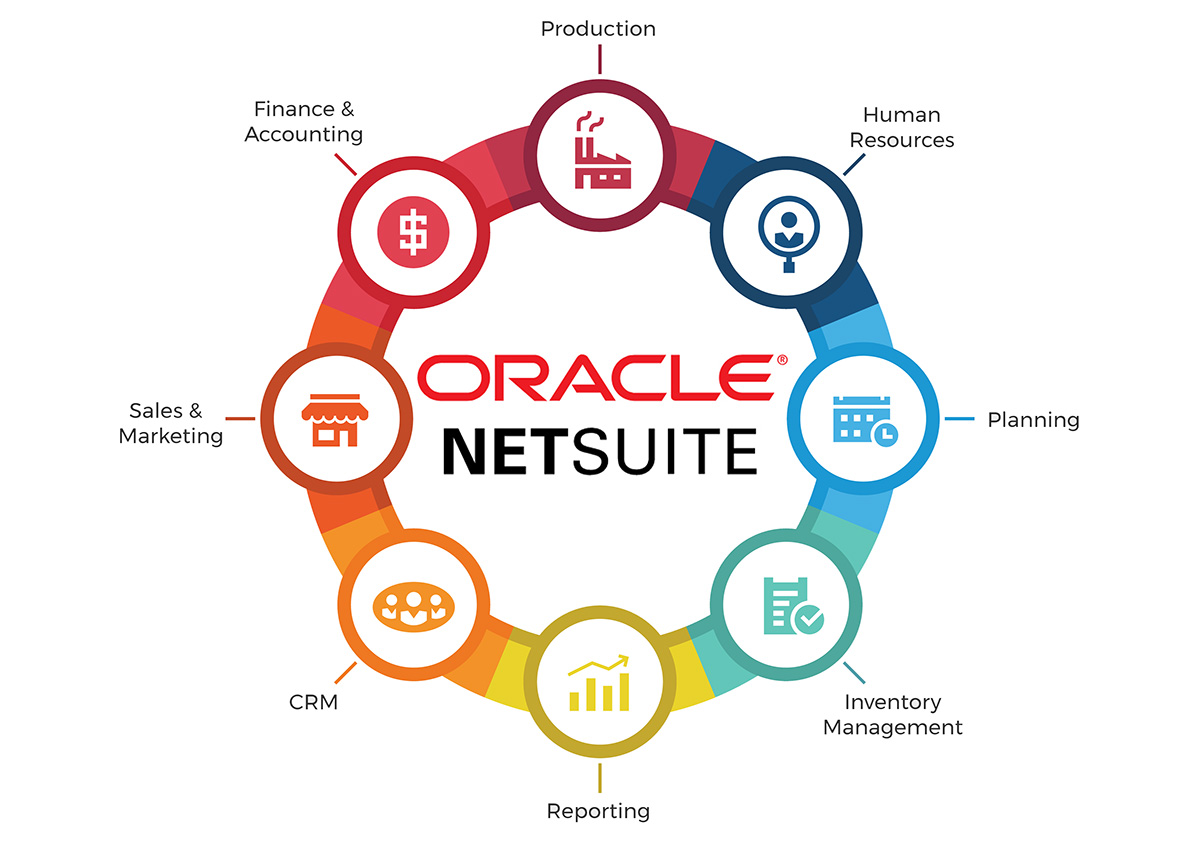
When you hear the name NetSuite, you might wonder, What Is NetSuite Software? In simple terms, it’s a comprehensive cloud-based Enterprise Resource Planning (ERP) system that integrates finance, operations, and customer relationships into one unified platform. Developed by Oracle, NetSuite has evolved into a suite of applications that supports businesses of all sizes, from startups to global enterprises.
What Is NetSuite Software?
NetSuite Software is a cloud ERP platform that provides real-time visibility into a company’s financials, inventory, sales, and customer data. It runs entirely online, so there’s no need for on‑premise servers or local installations. The platform is modular, meaning organizations can start with core accounting and inventory modules and later add sales, e‑commerce, or human resources tools as they grow.
Core Features That Define NetSuite
1. Financial Management: General ledger, accounts payable/receivable, and fixed asset tracking, all in a single system.
2. Order-to-Cash: From quote creation to invoice generation, the workflow is automated and traceable.
3. Supply Chain and Inventory: Real‑time inventory levels, demand forecasting, and procurement tools.
4. CRM and Customer Insights: Integrated customer data and marketing automation help drive sales growth.
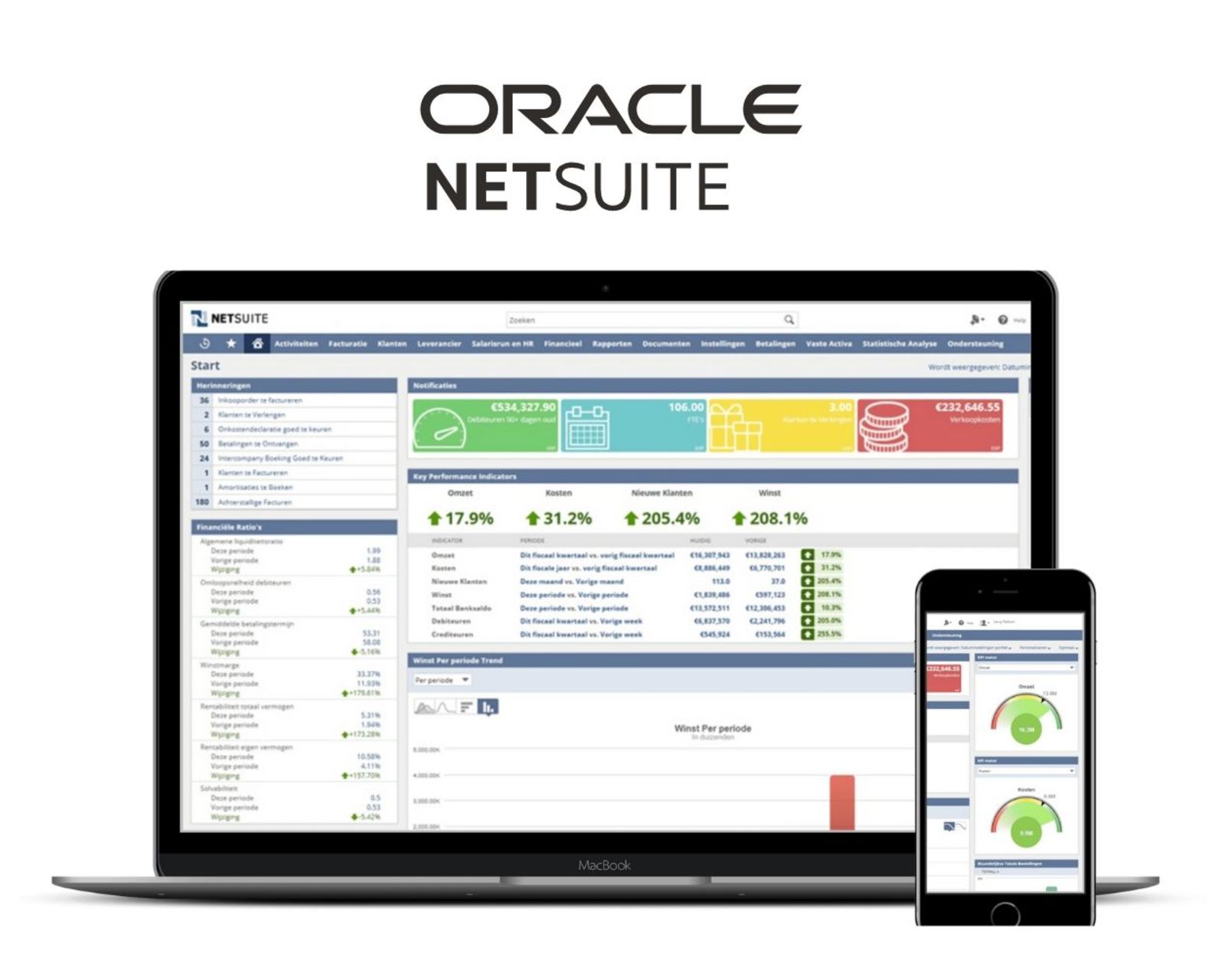
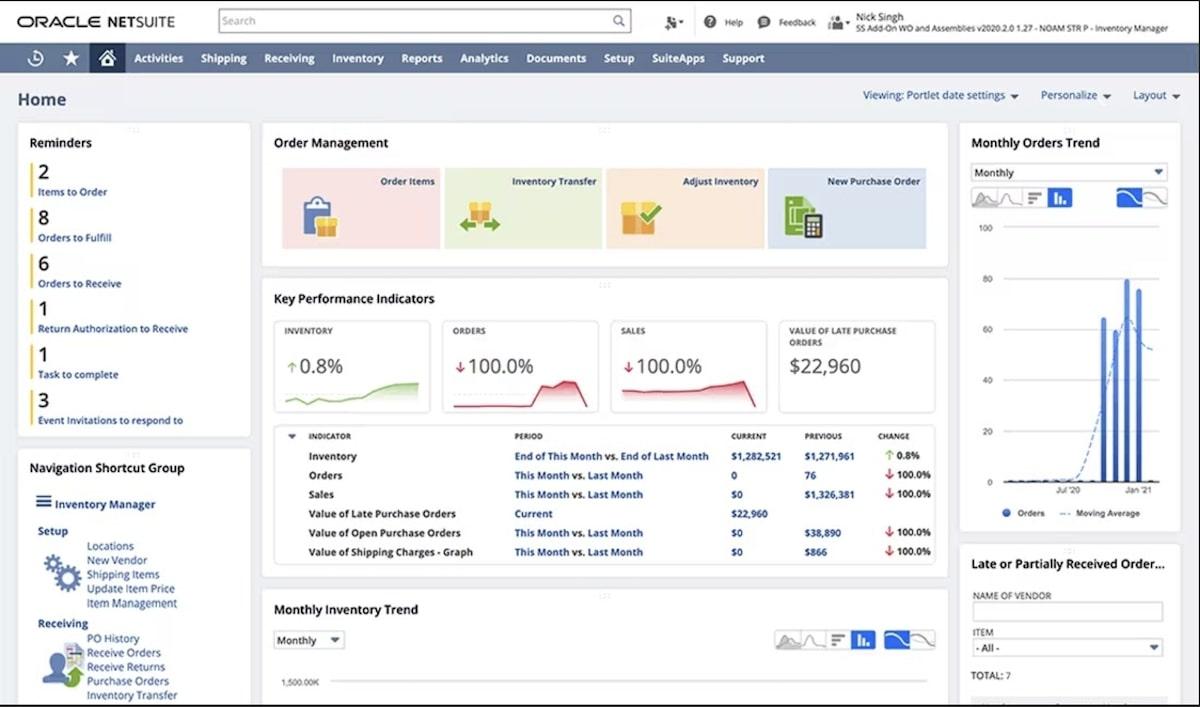
5. Analytics and Reporting: Custom dashboards powered by NetSuite’s built‑in analytics engine provide actionable insights.
Why Businesses Choose Cloud ERP Over On-Premise
Cloud ERP offers several distinct advantages:
- Lower upfront capital expenditure—no expensive hardware or IT staff.
- Automatic updates and patches, ensuring the system stays current without manual intervention.
- Scalable performance; add users or modules as your business expands.
- Access from anywhere with an internet connection, which is essential for remote or global teams.
These benefits are particularly appealing for fast‑moving sectors where agility and cost efficiency matter.
How NetSuite Scales From SMB to Enterprise
NetSuite was originally designed for small‑to‑medium enterprises (SMBs), but its architecture now supports multinational corporations. The platform’s multi‑currency, multi‑tax, and multi‑legal entity capabilities allow businesses to manage operations across borders without a complex IT overhaul. Moreover, the ability to create separate “workspaces” for different subsidiaries ensures that each division can maintain autonomy while still reporting to a central dashboard.
Implementation and Customization: What to Expect
While NetSuite is an out‑of‑the‑box solution, most organizations will tailor it to match their unique processes. Implementation typically follows a phased approach: discovery, data migration, configuration, testing, training, and go‑live. Depending on the scope, this can take anywhere from a few months for a lean deployment to a year or more for a global rollout.
Customization can be achieved through SuiteScript (JavaScript-based), SuiteFlow (no‑code workflow), and SuiteAnalytics. The key is to balance out‑of‑the‑box functionality with bespoke solutions that deliver true business value without unnecessary complexity.
The Role of AI and Analytics in NetSuite
NetSuite leverages machine learning for predictive analytics, such as demand forecasting and anomaly detection in financial data. Its built‑in BI engine allows users to create interactive dashboards that surface key metrics in real time. Additionally, integration with Oracle’s broader AI ecosystem opens possibilities for advanced insights across supply chain, marketing, and customer experience.
Pricing Structure and Licensing Options
NetSuite pricing is subscription‑based and varies by module, number of users, and level of customization. Standard plans cover core ERP modules, while premium tiers add advanced features like professional services automation (PSA) or advanced inventory management. Because NetSuite is a SaaS product, customers pay a recurring fee—monthly or annual—ensuring predictable budgeting.
Oracle often bundles NetSuite with other cloud services (e.g., Oracle Cloud Infrastructure) to deliver a broader ecosystem, which can reduce total cost of ownership when integrating across applications.
Real-World Success Stories
• A $200 M manufacturing firm reduced inventory carrying costs by 15% within the first year of using NetSuite’s demand‑planning module.
• An e‑commerce startup scaled from 10 to 200 employees without a change in IT infrastructure, thanks to NetSuite’s cloud‑native architecture.
• A multinational retailer used NetSuite’s multi‑entity management to consolidate reporting