Navigating EPFL’s Master’s in Electrical Engineering
Switzerland’s École polytechnique fédérale de Lausanne (EPFL) has built a reputation for cutting‑edge research, and its master’s programme in electrical engineering is a prime example. If you’re weighing options for an advanced degree that blends theory with hands‑on innovation, you’ve probably wondered how EPFL stacks up. Below you’ll find a practical guide that walks through admissions, coursework, research culture, and what to expect after graduation.
What Makes EPFL’s Electrical Engineering Master’s Stand Out?
At its core, the programme is a two‑year, research‑oriented curriculum that balances fundamentals—like signal processing and electromagnetics—with emerging fields such as quantum electronics, renewable energy systems, and biomedical devices. EPFL’s campus sits on the shores of Lake Geneva, offering a multilingual, international community that fuels interdisciplinary collaboration.
Eligibility and Admission Essentials
Prospective students need a bachelor’s degree in electrical engineering or a closely related discipline (e.g., computer engineering, physics). While a specific GPA threshold isn’t publicly fixed, successful applicants typically present a strong academic record, especially in math and core engineering courses.
- Language proficiency: If your previous degree wasn’t taught in English, you’ll need a TOEFL (minimum 90 iBT) or IELTS (overall 6.5) score.
- GRE: Not mandatory, but a competitive score can strengthen your file, particularly for candidates from institutions with less‑known grading scales.
- Recommendation letters: Two academic references that speak to your technical abilities and research potential are essential.
Application deadlines fall in early December for the autumn intake. Keep an eye on EPFL’s online portal for exact dates, as they may shift slightly each year.
Curriculum Snapshot: Core and Elective Paths
The first semester usually covers mandatory courses such as Advanced Circuit Theory, Digital Signal Processing, and Control Systems. These lay a solid groundwork before you branch out.
From the second semester onward, you can tailor your studies:
- Power Systems & Smart Grids: Ideal for those eyeing the renewable‑energy sector.
- Microelectronics & VLSI Design: Perfect if chip design excites you.
- Photonics & Quantum Engineering: A niche but rapidly growing area.
- Biomedical Signal Processing: Merges health tech with core EE principles.
Every track culminates in a master’s thesis, typically conducted in partnership with one of EPFL’s many research labs. The thesis can be a stepping stone toward a Ph.D. or a direct ticket into industry.
Research Landscape: Labs, Projects, and Funding
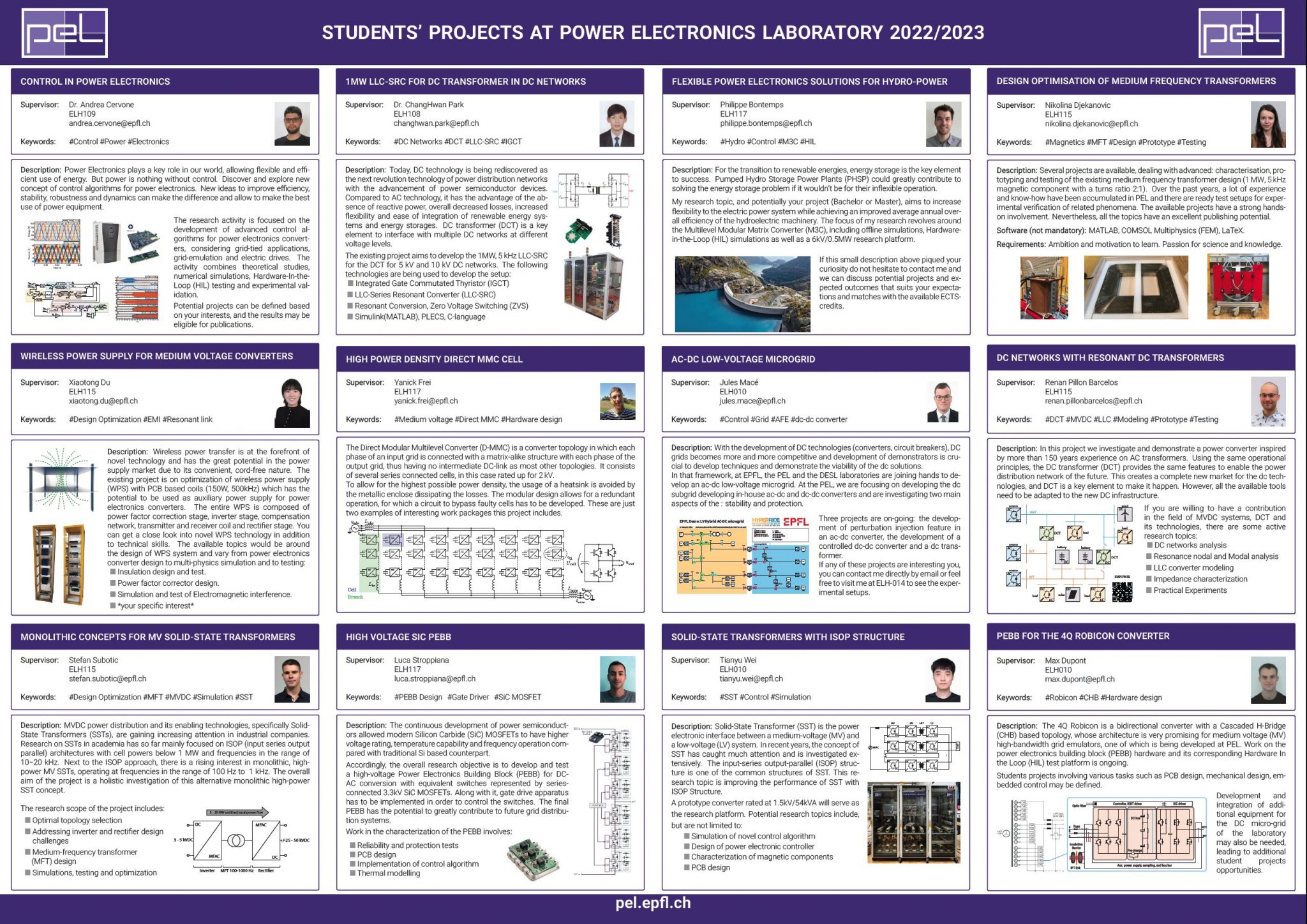
EPFL hosts more than 30 labs that focus on electrical engineering topics. Notable examples include the Laboratory of Power Electronics (LPE), the Signal Processing Laboratory (LTS2), and the Swiss Plasma Center. Graduate students often secure funding through university scholarships, Swiss National Science Foundation grants, or industry‑sponsored projects.
Because research groups are interdisciplinary, you might find yourself collaborating with colleagues from computer science, materials science, or even biology—an environment that mirrors real‑world engineering challenges.
Student Life: Beyond the Classroom
Living in Lausanne means you’re just a short tram ride away from a vibrant city center, with cafés, museums, and a lively nightlife. EPFL’s student association, EPFL Students, organizes everything from hackathons to sports tournaments, ensuring you can unwind after long lab sessions.
Housing is competitive, but the university’s housing office offers both on‑campus dorms and off‑campus apartments. International students often appreciate the multilingual support services, which include French language courses and visa assistance.
Career Outlook and Alumni Pathways
Graduates from EPFL’s electrical engineering master’s programme are highly sought after. Companies such as ABB, Siemens, and Swisscom regularly recruit on campus. According to recent alumni surveys, roughly 70 % secure full‑time positions within three months of graduation, often in roles like systems engineer, R&D specialist, or product manager.
If you aim for academia, the thesis component provides a natural segue into a Ph.D. program—many students continue their research at EPFL or other top European institutions.
Tips for a Strong Application
Start early. Draft a concise statement of purpose that links your past projects to EPFL’s research strengths. Highlight any hands‑on experience—internships, lab work, or open‑source contributions—as they demonstrate readiness for the programme’s practical focus.
Tailor your CV to showcase technical skills (MATLAB, Python, VHDL) and soft skills (teamwork, communication). Finally, double‑check that all documents—transcripts, language test scores, and references—are uploaded in the required formats before the deadline.
Frequently Asked Questions
Can I switch specializations after the first semester?
Yes, EPFL allows a limited number of course changes provided you meet the prerequisites for the new track. Talk to your academic advisor early to avoid scheduling conflicts.
Is a work‑permit needed for non‑EU students during the master’s?
Non‑EU students must obtain a student residence permit, which also permits up to 15 hours of work per week during the semester. After graduation, a separate permit is required for longer employment.
Do I have to pay tuition?
Swiss public universities charge modest tuition fees—around CHF 1,266 per semester for master’s students. However, numerous scholarships and assistantship positions can offset these costs.
How does the thesis supervision work?
Once you pick a research topic, you’ll be assigned a primary supervisor—typically a professor or senior researcher—and may also have a co‑supervisor. Regular meetings ensure steady progress, and you’ll present your findings at the annual EPFL Graduate Forum.