Mastering Counter Play: OSCE Football’s Formation Tactics Explained
When a team decides to sit back and hit on the break, the success often hinges on how well the formation supports swift transitions. In the OSCE Football coaching framework, counter formation strategies are more than a defensive shell; they’re a proactive blueprint for turning possession loss into goal‑scoring opportunities. Below we unpack the most effective setups, the tactical nuances that make them tick, and practical tips for tailoring each approach to the strengths of your squad.
Why Counter Formations Matter in Modern Soccer
Modern games are dominated by high‑pressing sides that flood the midfield, leaving little room for leisurely build‑up play. Counter formations give a team the structural stability to absorb pressure while retaining the speed to exploit gaps. Coaches who master these setups can dictate the rhythm: they invite the opponent forward, then unleash a coordinated surge that catches defenses out of shape.
- Compact defense. A well‑shaped block reduces the space between lines, making it harder for opponents to penetrate.
- Quick verticality. By positioning attackers near the halfway line, you shorten the distance needed to transition from defense to attack.
- Predictable patterns. Repeatedly using a particular counter shape teaches players instinctive movement, increasing the odds of a successful break.
Core Counter Formation Options in OSCE Curriculum
The OSCE syllabus outlines three primary formations that balance defensive solidity with offensive potency. Each one can be tweaked based on personnel, opponent style, and match context.
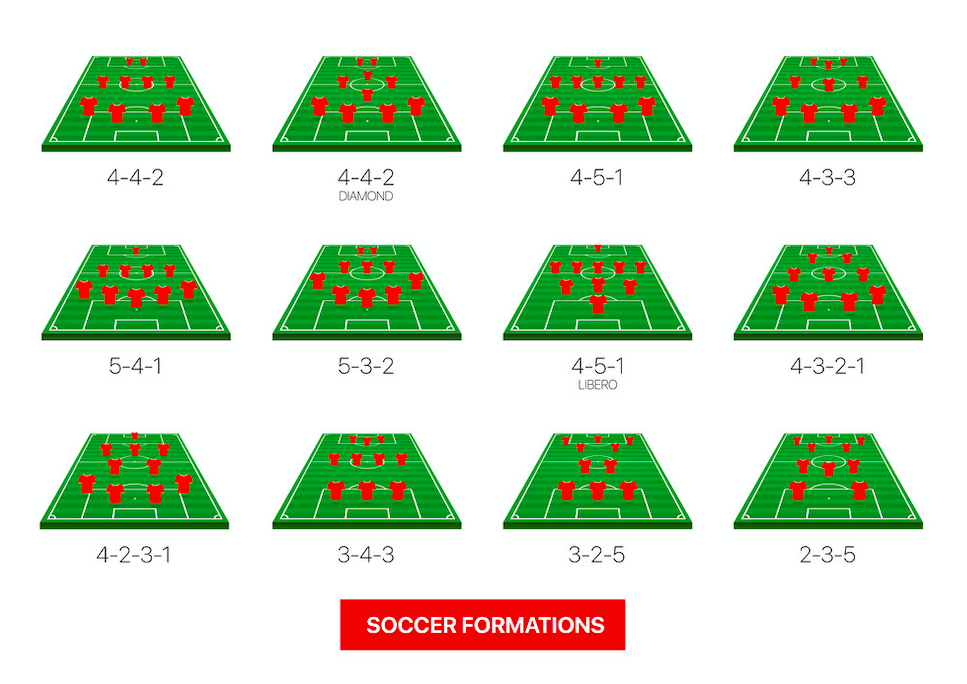
4‑2‑3‑1 – The Balanced Counter
Two holding midfielders sit deep, shielding the back four while providing a pivot for the lone striker. The three advanced midfielders spread wide, ready to receive the ball and drive forward. This shape excels when you have a prolific target man who can hold up play and wingers capable of rapid sprints.
3‑4‑2‑1 – The Width‑Focused Press Break
Three central defenders create a narrow spine, while wing‑backs push high when possession is won. The double pivot in midfield offers both defensive cover and a launchpad for the two attacking midfielders, who often drift to the flanks before cutting inside. Ideal for squads with athletic wing‑backs and two creative forwards who can interchange.
5‑3‑2 – The Defensive Fortress with Dual Threat
Five at the back, three central midfielders, and two strikers give you a sturdy base that can absorb sustained pressure. The wing‑backs act as the only wide outlets, sprinting forward on the turnover. This formation works well against teams that dominate possession, as it forces them to play through a crowded midfield before the counters can blossom.
Key Tactical Principles for Successful Counter Play
Beyond the shape on the pitch, several tactical pillars determine whether a counter will translate into a scoring chance.
- Speed of the first pass. The moment the ball is recovered, a quick, forward‑leaning pass forces the opposition to react, often before they can reorganize their defensive line.
- Positional awareness. Players must understand their zones of responsibility; the deepest midfielder covers the space between the defense and the midfield pivot, while the forwards position themselves between the opponent’s lines.
- Timing of the run. A well‑timed diagonal run can split a high line, especially when the ball is played into the half‑space. Coaches should rehearse these runs in small‑sided drills to build muscle memory.
- Compactness during transition. Even while attacking, the team should avoid leaving gaps that a swift counter from the opponent could exploit. The midfielders drop back quickly after the forward pass, maintaining a compact shape.
Adapting Counter Strategies to Different Opponents
One size does not fit all. The OSCE approach encourages coaches to read the game and modify the counter blueprint on the fly.
Against a high‑pressing side. Deploy a deeper defensive line, perhaps switching from 4‑2‑3‑1 to 5‑3‑2, to give your backline space to handle long balls. Emphasize quick, vertical passes to the forwards’ runs, and use a deep‑lying playmaker to act as a safety valve.
Facing a possession‑heavy team. A 3‑4‑2‑1 can help overload the midfield, forcing the opponent to play out wide where your wing‑backs can capitalize on the space left behind. Encourage the attacking midfielders to drop into the half‑space, creating passing lanes that bypass the crowded central area.
When up against a compact, low block. The 4‑2‑3‑1 offers width through wingers who can stretch the defense. Use the central striker as a target for knock‑downs, then let the attacking midfielders make late runs into the box.
Practical Drills to Embed Counter Principles
Translating theory into practice requires focused drills that simulate game scenarios.
- Turnover to Finish. Set up a 6‑vs‑6 game where the team that wins the ball must complete a goal‑scoring move within three passes. This reinforces rapid decision‑making and the importance of the first pass.
- Wing‑Back Overlap Drill. Pair a wing‑back with a forward; the wing‑back sprints forward on a turnover, receives a diagonal pass, then overlaps the forward to deliver a cross. This builds the timing needed for the 3‑4‑2‑1 system.
- Midfield Press Resistance. In a 3‑vs‑2 setting, the midfield trio works to retain possession against an aggressive press, emphasizing quick ball circulation and finding the half‑space. Success here translates directly to breaking down tight defenses.
FAQ
What is the main advantage of a 5‑3‑2 formation in counter football?
It provides extra defensive cover while still offering two dedicated strikers to exploit the space left when the opponent commits numbers forward.
How often should a coach switch between counter formations during a match?
Ideally, the switch should be prompted by a clear tactical need—such as the opponent changing their pressing intensity—rather than on a fixed timetable. Observing the opponent’s shape and adjusting accordingly yields the best results.
Can a team use a counter approach without sacrificing attacking creativity?
Yes. By integrating fluid attacking midfielders who can both press high and drop deep, a side maintains creative options while retaining the disciplined shape required for effective counters.