Luxury Guide to the World’s Most Expensive Whiskeys
When a dram commands a price tag that rivals a small car, curiosity inevitably follows. Expensive whiskey isn’t just about the liquid in the glass; it’s a story of heritage, scarcity, and the alchemy of time. This guide walks you through the brands that consistently sit at the top of the price ladder, explaining why they command such premiums and how you might experience them without breaking the bank entirely.
What Sets a High‑End Whiskey Apart?
First, rarity matters. A single cask that survived a century or a limited‑edition bottling of only a few hundred bottles creates a built‑in scarcity that drives collectors’ demand. Second, age and maturation environment are crucial. Whiskey aged for 40, 50, or even 70 years absorbs flavors from the wood in ways younger spirits simply cannot replicate. Third, the brand’s reputation and the narrative it weaves—think royal endorsements or historic distillery fires—add intangible value that buyers are willing to pay for.
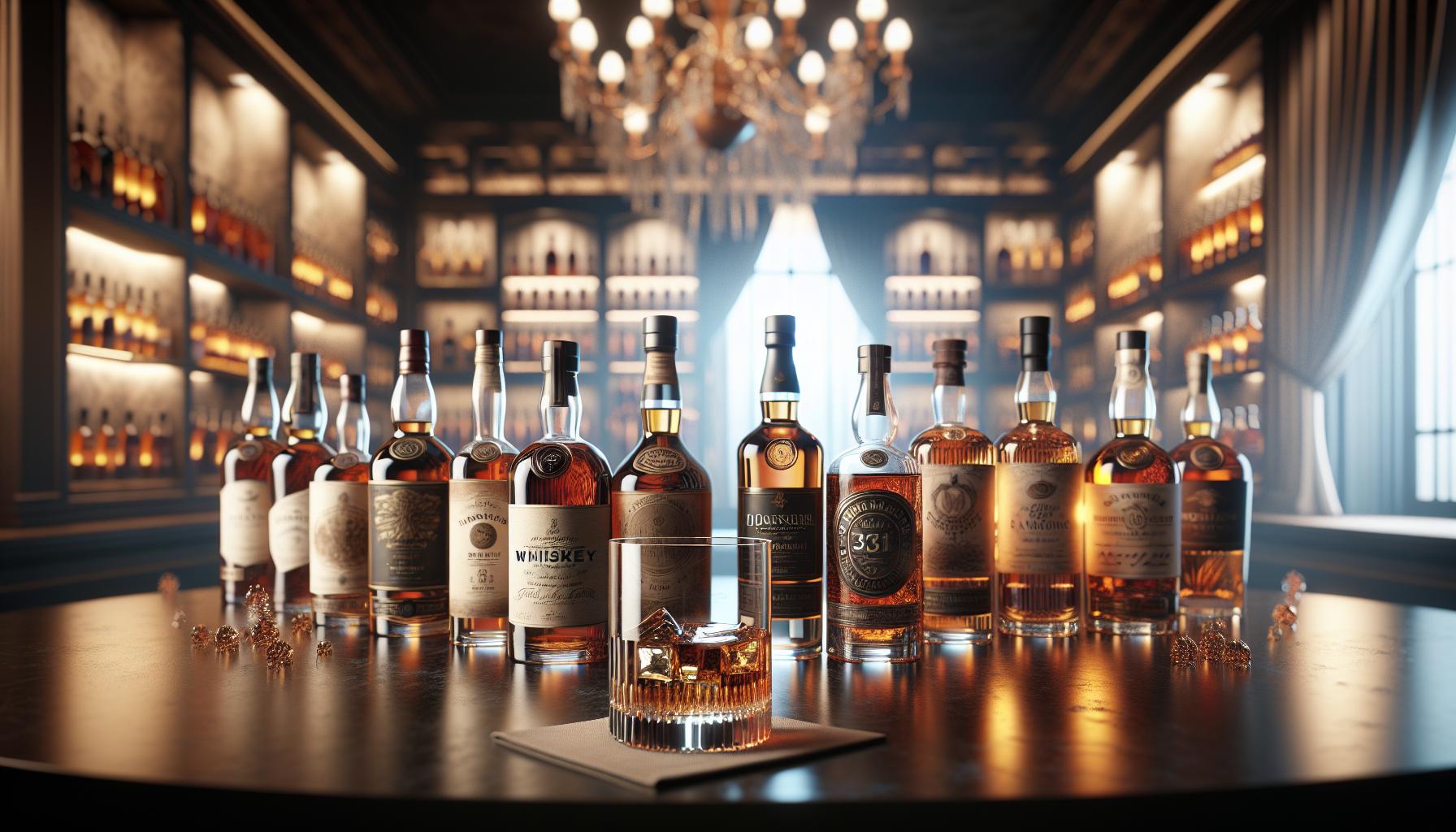
Finally, packaging can be a work of art. Hand‑blown crystal decanters, gold‑leaf labels, and bespoke wooden boxes turn a bottle into a display piece, reinforcing the luxury perception.
Top Expensive Whiskey Brands Worth Exploring
Below is a curated list of the most coveted names in the world of premium spirits. Prices fluctuate with auction results and private sales, so the ranges provided are approximate.
- The Macallan 1926 Fine & Rare Collection – Often quoted at $1.5 million for the 60‑year‑old edition, this single malt is distilled in 1926 and bottled in 1986. Its rarity stems from only 40 bottles ever released.
- Glenfiddich 50 Year Old – Retailing around $30,000, this whisky showcases a deep, sherry‑laden profile that only half a century of oak can develop.
- Yamazaki 50‑Year‑Old – Japan’s flagship single malt can fetch $30,000‑$40,000, praised for its delicate balance of fruit, spice, and subtle oak.
- Balvenie 50 Year Old – Limited to 500 bottles, this Scotch offers honeyed notes and a lingering finish, typically listed at $30,000‑$35,000.
- Ardbeg 1966 50‑Year‑Old – A peat lover’s dream, this Islay malt is rarely seen on the market and can command $25,000‑$30,000 per bottle.
- Springbank 50‑Year‑Old – With a complex maritime character, it usually appears in the $20,000‑$25,000 range.
- Hibiki 35‑Year‑Old – Japan’s blended masterpiece, often priced near $15,000, is celebrated for its silky harmony of malt and grain whiskies.
- Dalmore 62 – Only 12 bottles were ever released; when they do appear, they can exceed $250,000 at auction.
- Glenfarclas 50‑Year‑Old – A Highland gem, typically listed for $20,000‑$25,000, known for its rich, nutty palate.
- Karuizawa 1960 – The extinct Japanese distillery’s rare releases can fetch $200,000‑$300,000, making it a true collector’s item.
How to Taste a Luxury Whiskey Without Feeling Overwhelmed
Even the most expensive dram can feel intimidating. Start by letting the spirit breathe for a few minutes; the high alcohol content will mellow, releasing nuanced aromas. Swirl gently, then inhale the bouquet—look for layers of dried fruit, oak, spice, and perhaps a hint of leather. Take a small sip, let it coat your palate, and notice how the flavors evolve from sweet to smoky to lingering warmth. Finally, let the finish speak; the length of aftertaste often separates a good whiskey from a great one.
Where to Buy These Priceless Bottles
Specialty auction houses such as Sotheby’s and Bonhams regularly list rare releases, while high‑end liquor retailers—think The Whisky Exchange or Master of Malt—offer limited‑edition bottles directly from distilleries. For the truly exclusive, private sales through boutique brokers or membership clubs can provide access, though they often require proof of collector status and a sizable deposit.
Preserving Value: Storage Tips for Collectors
Proper storage can protect both flavor and market value. Keep bottles upright to prevent the cork from drying out, store them in a cool, dark environment (ideally 15–20 °C), and maintain stable humidity around 70 %. Avoid fluctuations that can cause the liquid to expand and contract, risking leaks or seal damage.
Frequently Asked Questions
How are the prices of rare whiskeys determined?
Market demand, the number of bottles released, and the whiskey’s provenance all play roles. Auction results provide a transparent benchmark, while private sales may reflect the buyer’s willingness to pay for exclusivity.
Can I taste these expensive brands without buying a whole bottle?
Many upscale bars and whisky festivals host tasting flights that include limited‑edition drams. Some distilleries also offer “sample” programs where you can purchase a 30‑ml pour for a fraction of the full bottle price.
Is age always an indicator of quality?
Age contributes to complexity, but it isn’t the sole determinant. A well‑crafted 12‑year‑old can outshine a poorly managed 25‑year‑old. The cask type, climate, and distillation methods matter just as much.
Do these whiskeys appreciate in value over time?
Generally, yes—especially when the release is limited and the brand maintains a strong reputation. However, market trends can shift, so investing should be approached with caution and a love for the spirit itself.