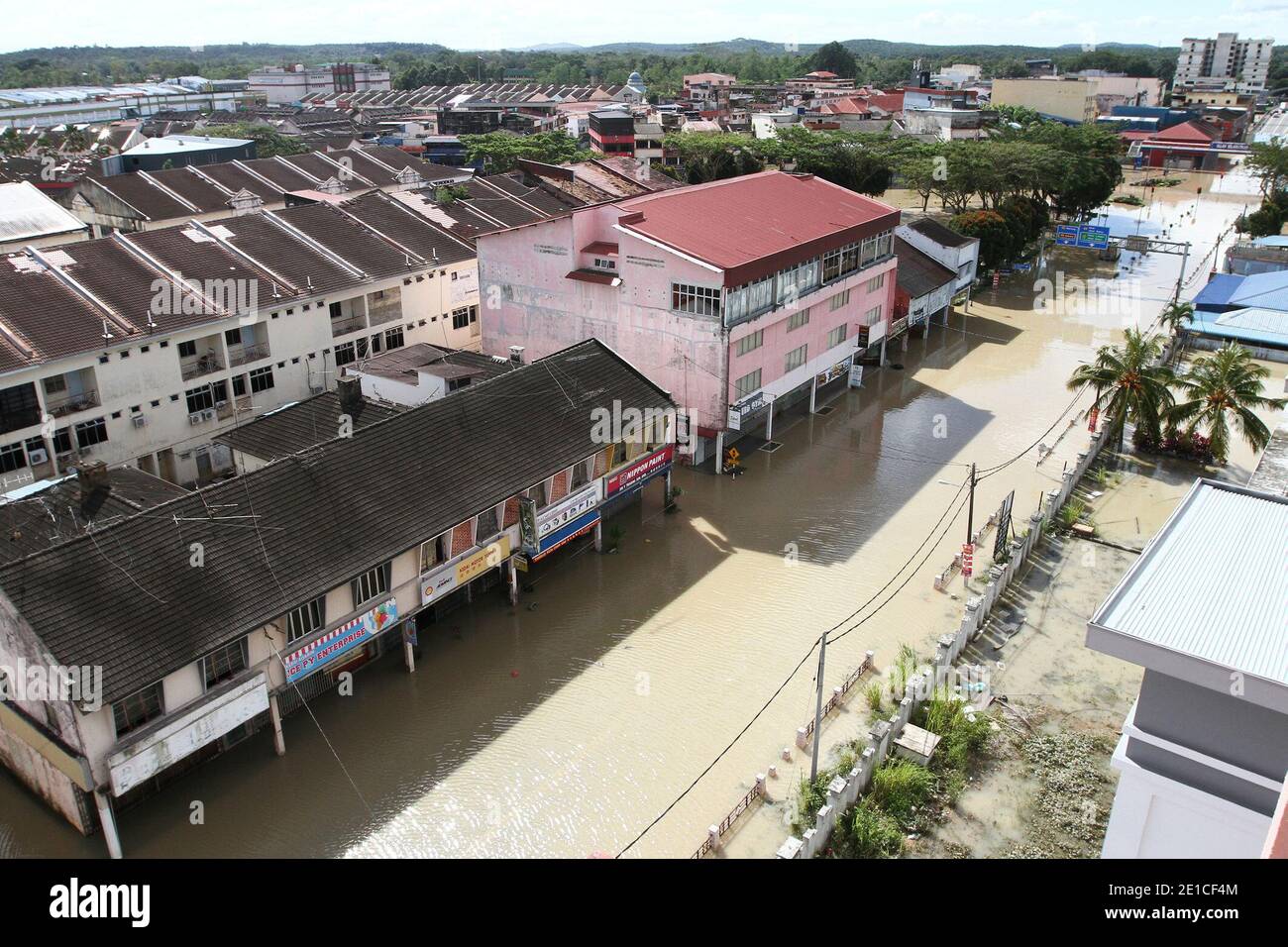
Kota Tinggi Flood Devastation: Current Updates and Relief
Scope of the disaster
The recent rains that battered Johor have turned Kota Tinggi into a picture of water‑logged streets and submerged homes. As of the first week of October 2024, satellite imagery shows the town’s low‑lying districts still under several feet of water, while the nearby Sungai Mersing has overflowed its banks repeatedly. Residents describe the scene as “a river that decided to run through the town,” and emergency services are still cataloguing the full extent of the damage.
Immediate impact on communities
Families in the affected villages woke up to find their front doors blocked by water, forcing many to scramble for higher ground. Schools were forced to close, and local businesses—especially the weekend market that draws shoppers from surrounding districts—have been forced to shut down indefinitely.
- Over 2,000 households reported being either partially or fully inundated.
- Roads connecting Kota Tinggi to the district capital were rendered impassable, cutting off essential supply routes.
- Power outages persisted for up to 48 hours in several neighborhoods, complicating rescue operations.
While most injuries have been minor—mostly cuts and bruises from debris—there have been a handful of reports of water‑borne illnesses, prompting health officials to issue precautionary advisories.
Government and agency response
Within hours of the first alerts, the Johor State Disaster Management Committee (JSDMC) mobilised a joint task force that includes the Royal Malaysia Police, the Malaysian Armed Forces, and the National Disaster Management Agency (NADMA). Their primary objectives have been to evacuate residents, secure critical infrastructure, and begin the daunting task of pumping water out of the town’s drainage system.
In a press conference on October 2, the Menteri Besar of Johor pledged RM 15 million for immediate relief and promised an additional RM 30 million for long‑term reconstruction. The funds are earmarked for temporary shelters, food distribution, and the repair of damaged bridges that link Kota Tinggi to neighboring towns.
Relief efforts on the ground
Non‑governmental organisations have been quick to fill gaps left by official channels. The Malaysian Red Crescent Society set up a temporary medical clinic in the town hall, providing basic first‑aid and distributing oral rehydration salts to families affected by diarrhoea. Meanwhile, local volunteer groups organised “food trucks” that deliver cooked meals to families stranded on rooftops.
One notable initiative is the “Kota Tinggi Flood Fund,” a crowd‑sourced campaign that has already raised over RM 1 million from donors across Malaysia. The money is being allocated to purchase waterproof tarpaulins, portable generators, and sandbags for the most vulnerable households.
Looking ahead: recovery and preparedness
Experts caution that the monsoon season could bring additional bouts of heavy rain, meaning the town must adopt a more resilient approach. Dr Aisha Rahman, a climate‑risk analyst at Universiti Malaysia Johor, suggests a three‑pronged strategy: upgrade the existing drainage network, implement community‑based early‑warning systems, and enforce stricter land‑use planning to prevent construction in flood‑prone zones.
In the short term, the focus remains on restoring basic services. Power companies have reported that 80 percent of the town’s electricity has been reconnected, and water treatment facilities are working to ensure safe drinking water. The next week will see a concerted effort to clear debris from major roadways, a step that is crucial for the delivery of relief supplies and for residents to return to their livelihoods.
Frequently Asked Questions
What areas of Kota Tinggi are most affected?
The hardest‑hit zones are the low‑lying villages along the Sungai Mersing, particularly Kampung Batu Berang and Kampung Parit Sarang, where water levels have exceeded 1.5 metres in some spots.
How can I donate to the relief effort?
Donations can be made through the official “Kota Tinggi Flood Fund” portal (www.kotatinggifund.my) or directly to the Malaysian Red Crescent’s disaster relief account. Cash contributions are preferred to speed up procurement of essential supplies.
When will the schools reopen?
The Johor State Education Department aims to resume classes by the first week of November, provided that the affected schools have been inspected for structural safety and that water damage has been adequately repaired.
Is there a risk of further flooding?
Meteorologists warn that the region could see additional heavy rainfall later this month. Residents are advised to stay tuned to local weather alerts and to keep emergency kits ready.