Ius Sanguinis vs Ius Soli: Key Differences Explained
Understanding the Two Paths to Citizenship
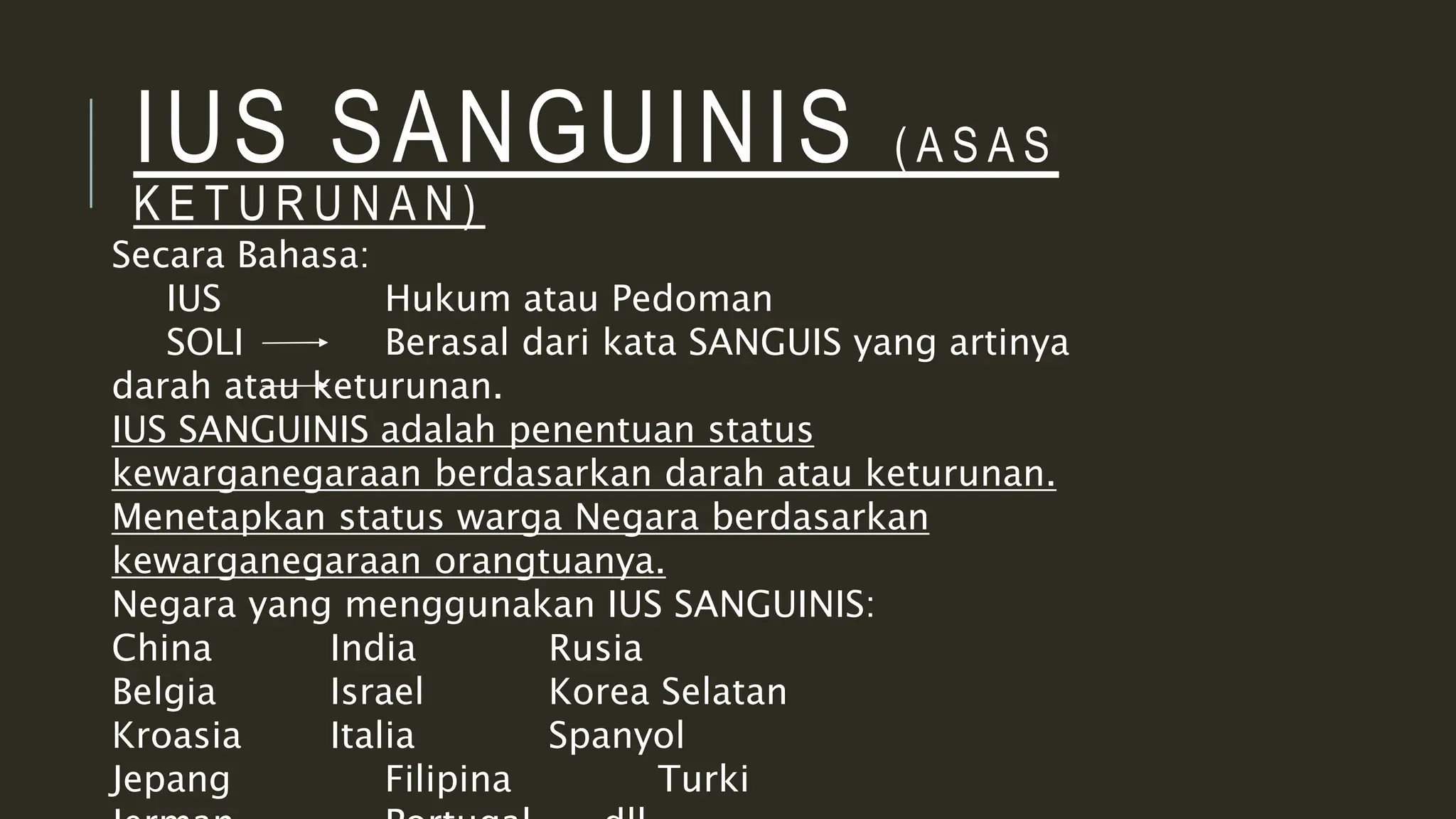
When you hear the terms ius sanguinis and ius soli, the first thing to know is that they describe two very different legal principles for acquiring nationality. Ius sanguinis, Latin for “right of blood,” grants citizenship based on the nationality of one’s parents. Ius soli, “right of soil,” does the opposite: it awards citizenship to anyone born on a country’s territory, regardless of ancestry. The contrast between these doctrines shapes everything from immigration policy to the everyday lives of families moving across borders.
How Ius Sanguinis Works in Practice
Under ius sanguinis, the state looks upward, tracing lineage rather than geography. A child born abroad to a German father, for example, can automatically claim German citizenship if the law permits transmission of nationality through the paternal line. Many European nations—Germany, Italy, Ireland—have long relied on this model, partly because it preserves a cultural link across generations.
Because the rule depends on documentation, families often need birth certificates, marriage records, or proof of residency to validate the claim. The process can be lengthy, but it offers a clear advantage: children retain their parents’ citizenship even if they never set foot in the country of origin.
Typical Advantages
- Preserves cultural and familial ties across borders.
- Allows diaspora communities to maintain legal bonds with their homeland.
- Provides a predictable path for children of citizens living abroad.
Potential Drawbacks
- Complex paperwork can delay recognition.
- May exclude individuals born and raised in a country without parental ties.
- Can lead to “dual citizenship” complications if the host country disallows it.
How Ius Soli Operates Around the World
Ius soli flips the script. In countries that follow this principle, the place of birth is the decisive factor. The United States, Canada, and Brazil are classic examples: a baby born on U.S. soil automatically becomes an American citizen, regardless of the parents’ immigration status.
This approach reflects a more inclusive, territorial view of nationhood. It aims to prevent statelessness by ensuring that every person has a legal home from the moment of birth. However, it can also create challenges for governments trying to manage immigration flows, especially when “birth tourism” becomes a concern.
Typical Advantages
- Reduces the risk of statelessness for newborns.
- Offers a clear, straightforward rule: you’re a citizen if you’re born here.
- Encourages integration of immigrant families into the civic fabric.
Potential Drawbacks
- May attract individuals seeking citizenship for their children.
- Can strain public resources if not paired with robust immigration controls.
- Some nations limit the rule to children of legal residents, creating hybrid systems.
Hybrid Models and Regional Trends
Many nations don’t rely exclusively on one doctrine. France, for instance, blends ius soli with residency requirements: a child born in France to foreign parents becomes a citizen only if the family has lived in the country for a certain period. Similarly, Japan primarily uses ius sanguinis but grants limited citizenship to long‑term residents under special circumstances.
These hybrid approaches try to capture the best of both worlds—preserving lineage while ensuring that people who actually live in the country can claim belonging. The balance often shifts with political tides, economic pressures, and demographic needs.
Why the Difference Matters to You
If you’re planning to move abroad, understanding which principle a country follows can affect everything from school enrollment to voting rights. A family with dual heritage might find that a child can claim citizenship in two nations simultaneously under ius sanguinis, opening doors to work and study opportunities across borders.
Conversely, if you’re expecting a baby while residing temporarily in a country with strict ius soli limitations, you may need to explore alternative residency permits or naturalization routes to secure your child’s status. In many cases, consulting an immigration attorney early on saves a lot of paperwork down the road.
Frequently Asked Questions
Can a child have citizenship from both ius sanguinis and ius soli?
Yes. If a child is born in a country that practices ius soli and at least one parent holds citizenship that follows ius sanguinis, the child may automatically acquire both nationalities, provided neither country forbids dual citizenship.
Do all countries strictly follow one rule or the other?
No. While the United States and Canada are strong examples of pure ius soli, most European nations lean toward ius sanguinis. Many countries, however, employ a mix—granting citizenship by birth but attaching residency or parental status requirements.
How does ius sanguinis affect naturalization?
In ius sanguinis systems, naturalization often remains an option for long‑term residents who lack ancestral ties. The process may be more or less demanding than in ius soli countries, depending on local legislation.
Is ius soli still common outside the Americas?
It is less prevalent, but several nations in the Caribbean and a few African countries retain the principle. In many places, the rule has been narrowed over time to address concerns about immigration and social services.