Is Zelle Secure? What You Need to Know About Money Safety
When you tap “Send” in the Zelle app, the money seems to vanish into the recipient’s account almost instantly. That speed is part of the appeal, but it also raises a lingering question: Zelle security—is it enough to protect your funds? Below we unpack how Zelle keeps transactions safe, where the gaps lie, and what you can do to stay one step ahead of fraudsters.
How Zelle Security Works
At its core, Zelle is a network that links participating banks directly, bypassing the need for a separate holding account. When you initiate a transfer, your bank authenticates the request, encrypts the data, and hands it off to the recipient’s bank, which then credits the account. Because the money never leaves the banking ecosystem, Zelle relies heavily on each institution’s existing security infrastructure.
The encryption standards are on par with those used for online banking—TLS (Transport Layer Security) safeguards data in transit, and most banks employ multi‑factor authentication (MFA) for login. In other words, the technical backbone is solid; the real risk often comes from how users interact with the service.
Common Threats and How to Spot Them
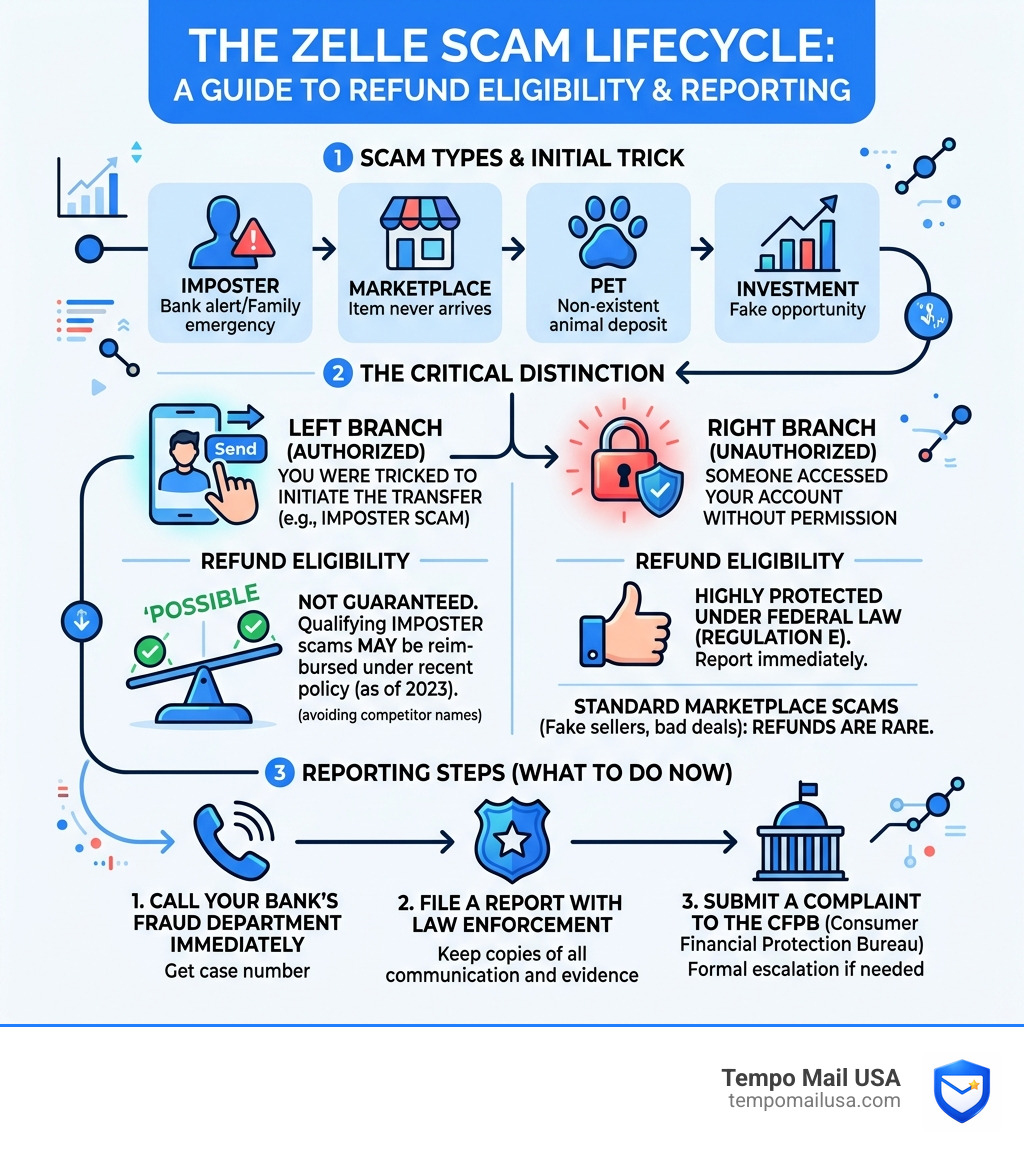
Even with robust encryption, Zelle isn’t immune to social engineering. Scammers exploit the platform’s immediacy, urging victims to “pay a friend” or “settle a bill” with a sense of urgency. Typical red flags include:
- Requests from unknown contacts, especially if the message contains spelling errors or unusual language.
- Offers that sound too good to be true, such as a sudden inheritance or a prize you must claim.
- Urgent pleas to transfer money quickly to avoid a penalty or to secure a deal.
If anything feels off, pause and verify the request through a separate channel—call the person or check with your bank before sending funds.
Best Practices to Keep Your Zelle Transactions Safe
Staying safe on Zelle is mostly about adopting disciplined habits. Here are practical steps you can embed into your routine:
- Lock down your login. Use a strong, unique password for your banking app and enable MFA wherever possible.
- Limit contacts. Add only people you know personally to your Zelle list. If a new contact appears, confirm their identity before sending money.
- Double‑check details. Verify the email address or phone number associated with the recipient’s Zelle profile—mistyped digits can send funds to a stranger.
- Beware public Wi‑Fi. Conduct Zelle transactions on secure, private networks rather than public hotspots.
- Monitor your account. Set up real‑time alerts for any Zelle activity so you can spot unauthorized transfers instantly.
What Happens If Something Goes Wrong?
Because Zelle transfers are essentially instant, banks treat them like cash—once the money lands in the recipient’s account, it’s often considered final. That said, many banks do offer a limited recourse window for fraud, especially if you report the incident promptly.
Start by contacting your bank’s fraud department; they may place a temporary hold while they investigate. If the transaction is deemed fraudulent, you could receive a reversal, though the process can take several days. Keep in mind that the success of a reversal heavily depends on the speed of your report and the cooperation of the receiving bank.
Frequently Asked Questions
Can I use Zelle without a bank account?
Not directly. Zelle requires a U.S. bank account or a credit union that participates in the network. Some third‑party apps integrate Zelle, but they still link back to a traditional bank.
Is Zelle safer than other person‑to‑person services?
Security is comparable across major services—most use encryption and MFA. Zelle’s advantage is its integration with banks, which can provide an extra layer of verification, but it also means you’re bound by each bank’s policies.
What should I do if I receive a suspicious Zelle request?
Do not click any links or send money. Contact the sender through a known channel (phone, text, or email) to confirm the request. If you suspect fraud, report it to your bank immediately.
Are there limits on how much I can send through Zelle?
Yes, each bank sets its own daily and monthly limits, typically ranging from a few hundred to several thousand dollars. Check your bank’s specific policy in the app or on its website.