Is NetSuite Accounting Software Right for Your Business?
When you’re weighing ERP options, NetSuite often pops up as a contender for companies that have outgrown spreadsheets but aren’t quite ready for a massive, on‑premise system. It promises a single, cloud‑based platform that blends core financials, CRM, inventory, and e‑commerce. But does that promise translate into real value for your organization? Below, we’ll unpack the core capabilities, the types of businesses that tend to thrive on NetSuite, and the trade‑offs that might make you pause before hitting “buy.”
Key Features That Set NetSuite Apart
- Unified Financial Management – General ledger, accounts payable, accounts receivable, and tax management live under one roof, eliminating the need for separate modules.
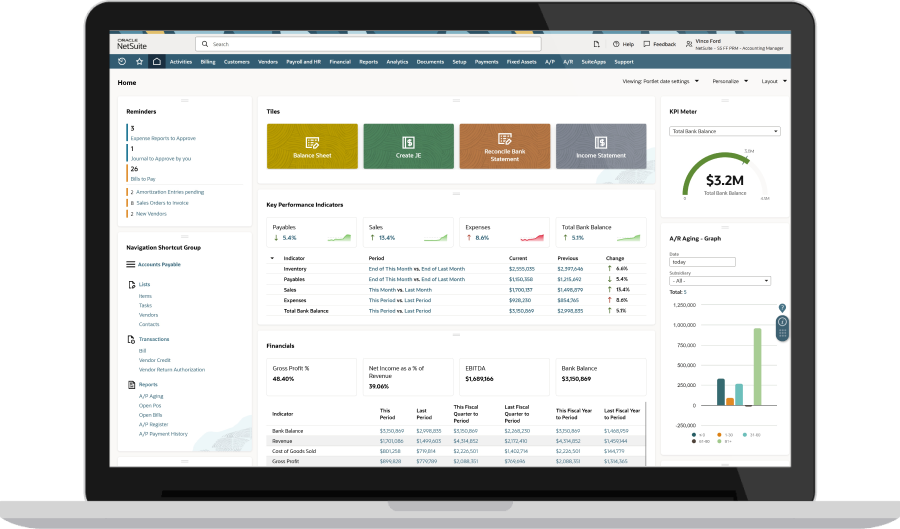
- Real‑Time Visibility – Dashboards pull data from every corner of the system, so CFOs can spot trends or issues as they happen.
- Scalable Architecture – Whether you add a new subsidiary or launch an online store, NetSuite’s multi‑entity and multi‑currency support scales without a major overhaul.
- Automation of Routine Tasks – Workflow tools handle approval routing, recurring billing, and expense reporting, freeing staff for higher‑value work.
- Extensive Integration Ecosystem – Pre‑built connectors for popular tools (e.g., Salesforce, Shopify) and a robust SuiteTalk API keep data flowing smoothly.
These features are not unique in isolation, but the fact they’re all native to a single cloud platform reduces the friction you often encounter when stitching together best‑of‑breed solutions.
Who Benefits Most From NetSuite?
NetSuite tends to shine for mid‑market companies—generally those with $50 million to $500 million in annual revenue—that have outgrown basic accounting software yet lack the resources for a fully customized ERP. Growth‑focused firms appreciate the ability to add modules on demand, such as advanced inventory or professional services automation, without a massive implementation project.
Industries that frequently adopt NetSuite include wholesale distribution, software‑as‑a‑service, manufacturing with complex bill‑of‑materials, and e‑commerce brands that juggle multiple sales channels. If your business relies on real‑time inventory data to avoid stockouts or over‑stock, the integrated inventory management can be a game‑changer.
Potential Drawbacks to Consider
While the platform is powerful, it isn’t a silver bullet. First, the learning curve can be steep; end‑users often need several weeks of training to feel comfortable navigating the dashboards and customizing reports. Second, pricing is subscription‑based and tends to increase as you add users or advanced modules, which can catch budget‑savvy executives off guard. Finally, because NetSuite is a cloud‑only solution, organizations with strict data‑ residency requirements may need to verify that Oracle’s data centers meet their compliance standards.
Pricing and Implementation: What to Expect
NetSuite’s pricing model typically includes a base license fee, a per‑user charge, and optional module costs. A typical mid‑market deployment might start around $10,000 per year for the core financial suite, with additional $150–$250 per user per month for extra seats. Implementation projects often run three to six months, depending on the complexity of your chart of accounts, custom workflows, and integration needs.
Because the system is cloud‑hosted, you won’t need to invest in on‑premise servers, but you should budget for a dedicated project manager or an implementation partner—especially if you plan to migrate historical data from legacy systems. A phased rollout—starting with core accounting, then layering on CRM or inventory—helps mitigate disruption.
How to Decide if NetSuite Is Right for You
Start by mapping your business processes against the features listed above. If you find yourself manually consolidating spreadsheets, juggling multiple accounting tools, or struggling with cross‑border tax compliance, NetSuite could close those gaps. Conversely, if your organization is still under $50 million in revenue and primarily uses a single accounting package without complex inventory or multi‑entity needs, a lighter solution might deliver a quicker ROI.
Ask yourself a few practical questions: Do you have internal IT resources to manage a large ERP, or would you prefer a vendor‑managed cloud service? Are you prepared for the subscription expense over a multi‑year horizon? And most importantly, can you envision a future where adding a new sales channel or overseas office simply means activating an existing NetSuite module rather than launching a new system?
Frequently Asked Questions
Can NetSuite handle multiple subsidiaries with different currencies?
Yes. NetSuite’s multi‑entity and multi‑currency capabilities let you consolidate financials across subsidiaries while maintaining local chart‑of‑accounts and tax rules.
Is there a free trial or demo available?
Oracle typically offers a guided demo rather than a self‑service trial. You can request a personalized walkthrough to see how the platform aligns with your specific processes.
How does NetSuite compare to QuickBooks Online for a growing business?
QuickBooks Online is ideal for smaller firms with straightforward accounting needs. NetSuite, by contrast, scales to handle complex inventory, global compliance, and advanced reporting—features that QuickBooks lacks.
What kind of support does NetSuite provide during implementation?
Oracle offers a range of services, from basic onboarding to full‑scale project management. Many organizations also hire certified implementation partners to tailor the rollout to their unique workflow.