Inside the 2008 Financial Crisis: Unraveling the Scandal
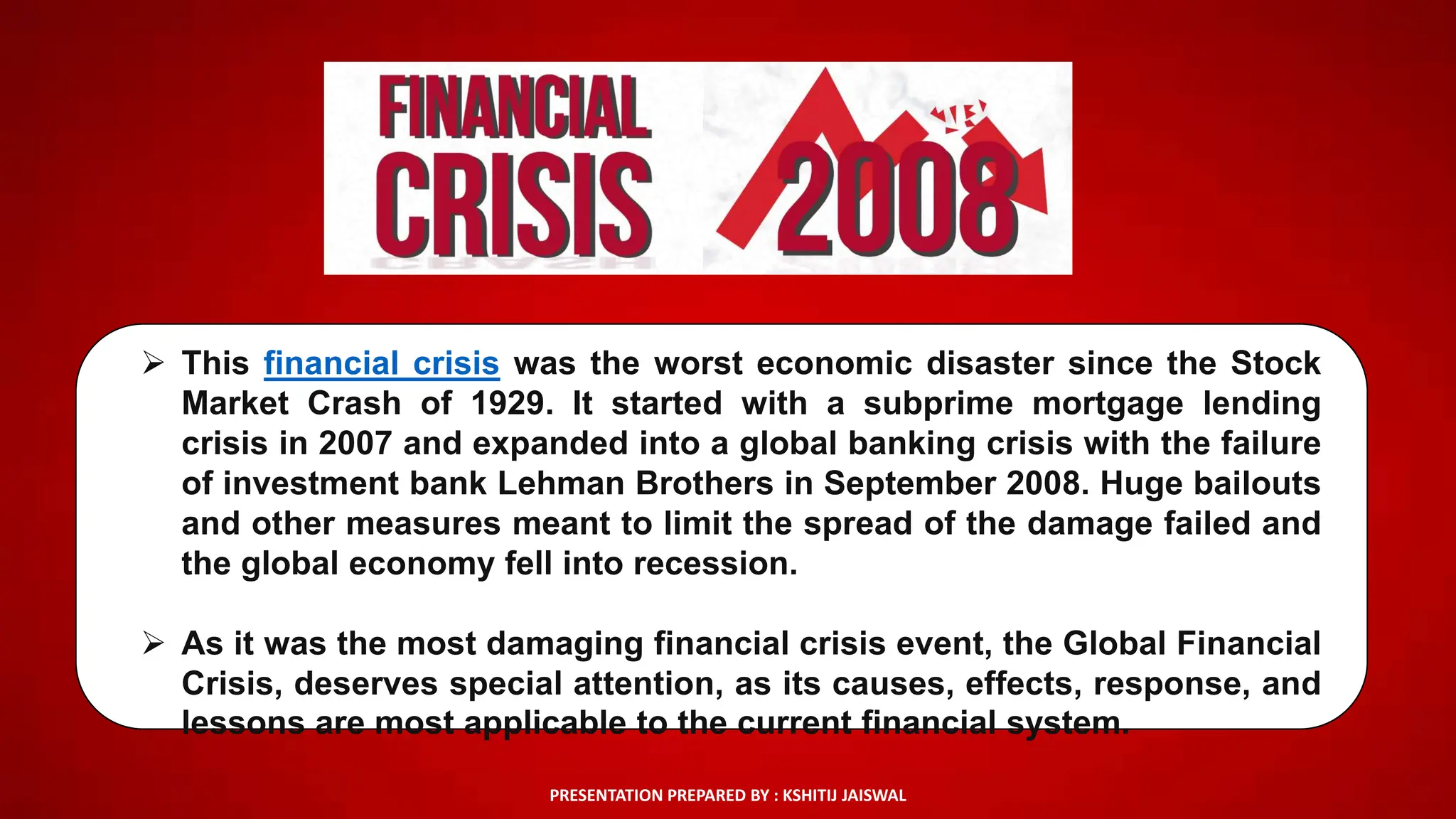
When the headlines screamed “Wall Street in Turmoil,” few imagined how deeply the 2008 financial crisis would seep into everyday lives. Mortgage payments vanished, credit froze, and a web of risky bets collapsed almost overnight. To understand why the scandal still haunts markets today, we need to trace the chain of decisions that turned a housing boom into a global nightmare.
What Sparked the 2008 Financial Crisis?
The immediate trigger was a surge of subprime mortgages—home loans offered to borrowers with shaky credit histories. Lenders, eager for volume, relaxed underwriting standards and bundled these risky debts into mortgage‑backed securities (MBS). Investors worldwide bought the securities, assuming they were as safe as government bonds.
Behind the glossy prospectuses, however, lay a truth many ignored: the underlying loans were often unaffordable, and the models used to rate them were overly optimistic. When homeowners began defaulting in 2006, the fragile foundation started to crack.
Key Players and Their Missteps
Several institutions and regulators contributed to the disaster, each playing a distinct role in the unfolding scandal.
- Investment banks—Citigroup, Merrill Lynch, and others repackaged subprime loans into collateralized debt obligations (CDOs), inflating demand for more risky mortgages.
- Rating agencies—Moody’s, S&P, and Fitch awarded triple‑A ratings to securities that barely deserved a B‑, creating a false sense of security for investors.
- Credit‑default swaps (CDS) firms—AIG sold massive amounts of protection without sufficient capital, betting that the market would never need to honor those contracts.
- Regulators—The Federal Reserve and the SEC failed to spot the growing concentration of risk in the shadow banking system, allowing the “too big to fail” mindset to take root.
The convergence of these missteps turned a manageable correction into a full‑blown crisis.
How the Scandal Unfolded
In early 2007, hedge funds began shorting the subprime market, signaling that something was amiss. By September 2008, Lehman Brothers declared bankruptcy, sending shockwaves through the interbank lending market. Overnight, credit lines evaporated, and institutions scrambled for liquidity.
Governments responded with emergency measures: the Federal Reserve introduced the Term Auction Facility, while the U.S. Treasury launched the Troubled Asset Relief Program (TARP), injecting $700 billion to stabilize banks. Yet these bailouts sparked public outrage, as taxpayers shouldered the cost of reckless private behavior.
The scandal deepened when investigations revealed that executives at major firms had knowingly ignored warning signs. In some cases, bonuses were paid even as losses mounted, reinforcing the perception that profit trumped prudence.
Lasting Lessons and Reform
The aftermath prompted a wave of regulatory reforms aimed at preventing a repeat.
- Dodd‑Frank Act (2010)—Established the Consumer Financial Protection Bureau, imposed stricter capital requirements, and mandated “living wills” for large banks.
- Volcker Rule—Restricted proprietary trading by banks, curbing the incentive to gamble with depositor funds.
- Stress‑testing—The Federal Reserve now conducts annual “Comprehensive Capital Analysis and Review” to assess banks’ resilience under adverse scenarios.
While these measures have increased transparency, critics argue that too many loopholes remain. Shadow banking entities, for example, still operate with limited oversight, and the market for credit‑default swaps has grown substantially since 2008.
Why the Scandal Still Matters
Beyond the economic fallout—estimated global GDP loss of up to 2%—the crisis reshaped public trust in financial institutions. It sparked a cultural shift, giving rise to movements like Occupy Wall Street and prompting a demand for greater corporate accountability.
For investors, the lesson is clear: never rely solely on ratings, and always question the underlying assets. For policymakers, the challenge is balancing innovation with safeguards that protect the broader economy.
FAQ
What was the primary cause of the 2008 financial crisis?
The collapse of the subprime mortgage market, amplified by risky securitization and inadequate regulation, was the main catalyst.
Did government bailouts save the economy?
Bailouts like TARP prevented an immediate systemic collapse, but they also fueled debates about moral hazard and fairness.
How did the crisis affect everyday people?
Millions lost homes, jobs, and retirement savings, while many saw their credit freeze and interest rates spike.
Are we safer from a similar crisis today?
Regulatory reforms have tightened oversight, yet new financial products and non‑bank lenders pose fresh risks that require vigilant monitoring.