Inside Japan’s Train Conductors: Uniforms, Tradition, and Style
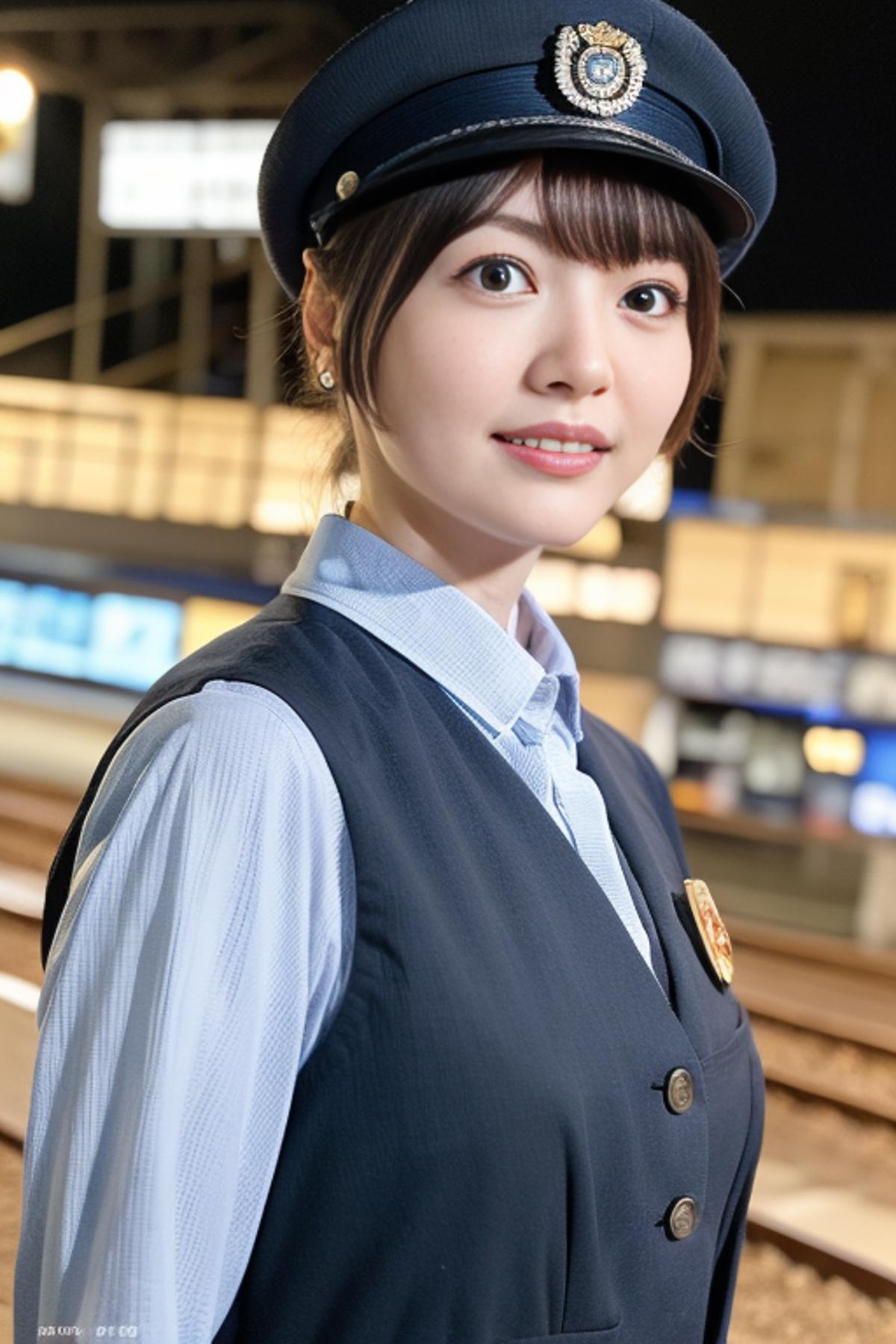
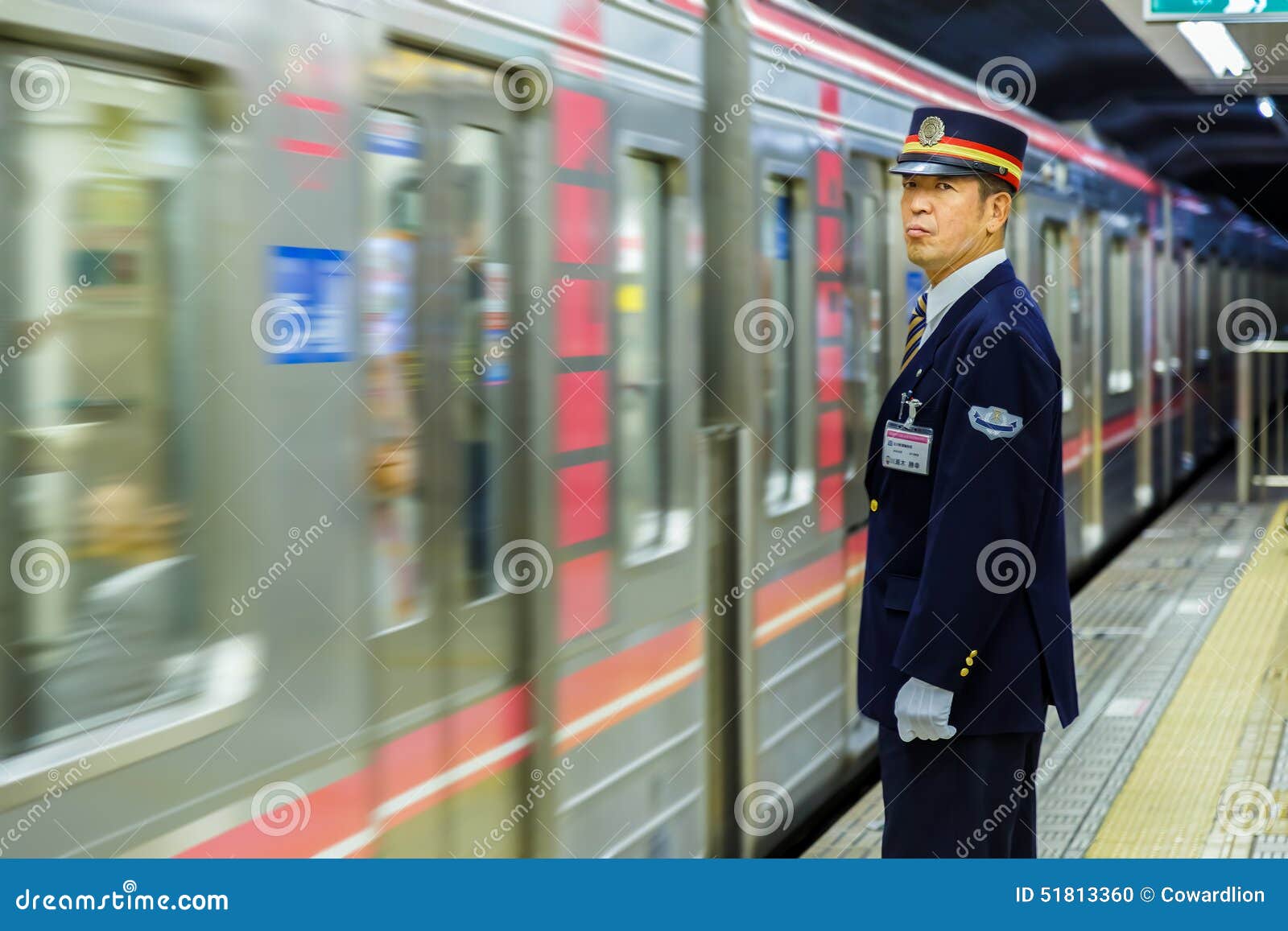
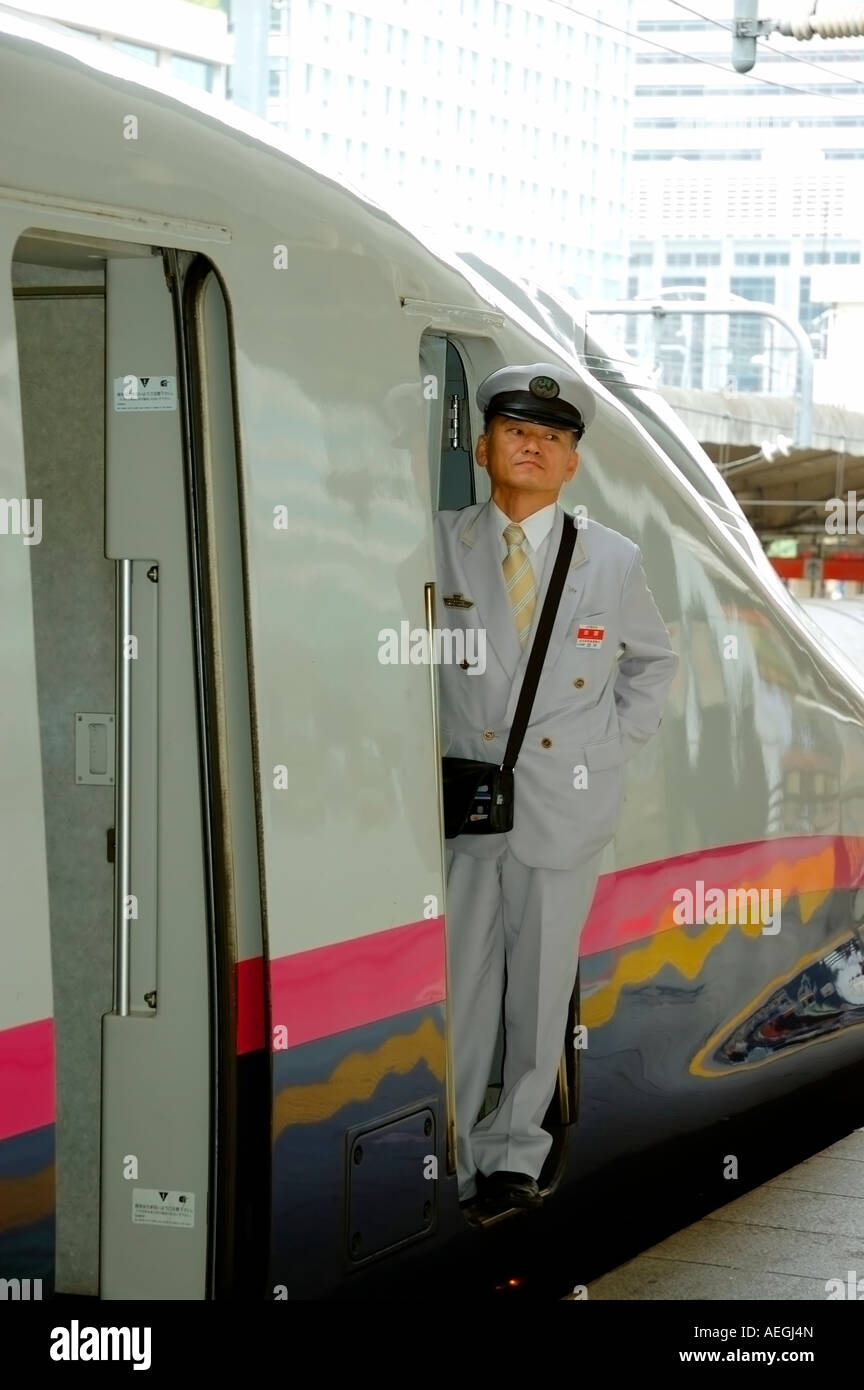
When you step onto a bustling platform in Tokyo or a sleepy station in Hokkaido, the first thing you might notice isn’t the timetable board but the crisp uniform of the train conductor. Japanese train conductor uniforms are more than functional workwear; they’re a visual shorthand for reliability, respect, and a long‑standing railway culture. Below we pull back the curtain on how these outfits have evolved, what details set them apart, and why they still matter to commuters and railfans alike.
A Brief History: From Imperial Railways to Modern Day
The origins of Japan’s railway attire trace back to the late 19th century, when the government imported Western railway practices to build a national network. Early conductors wore dark wool coats, brass buttons, and tall hats—direct copies of British railway dress. As the nation modernized, those garments gradually incorporated Japanese aesthetics: subtle embroidery of the company crest, narrower lapels, and a shift toward lighter fabrics for summer service.
By the 1950s, post‑war optimism sparked a redesign that emphasized bright colors and clean lines. The iconic navy‑blue blazer with a silver button‑up shirt became the standard for many private railway companies, a look that still dominates today.
Core Design Elements You’ll Spot
- Color palette: Most conductors wear navy, black, or deep green blazers, paired with crisp white shirts. Some regional lines add a splash of red or orange to reflect local branding.
- Insignia: A small embroidered patch on the left chest bears the railway’s logo, while a gold‑threaded badge on the collar indicates rank—assistant conductor versus chief conductor.
- Footwear: Polished leather shoes are mandatory, often with a discreet slip‑resistant sole for safety on slippery platforms.
- Headgear: While many companies have retired the traditional peaked cap, a few heritage lines still issue them for ceremonial duties.
- Functional pockets: Hidden compartments store a ticket punch, a portable radio, and a compact first‑aid kit.
Regional Variations: One Nation, Many Styles
Japan’s rail system isn’t monolithic; it consists of JR (Japan Railways) and dozens of private operators, each with its own visual identity. For example, the Keio Corporation in Tokyo favors a deep teal blazer, while the historic Tobu Railway keeps a classic maroon coat for its limited‑express services. In the Kansai region, the Osaka Metro’s conductors sport a bright orange jacket that mirrors the city’s energetic vibe.
Some rural lines even incorporate local motifs—think a subtle wave pattern on the sleeves of a Shinkansen conductor’s coat to evoke the sea that borders the route. These nuances help passengers instantly recognize which company they’re traveling with, reinforcing brand loyalty.
Practical Considerations: Comfort Meets Safety
Conductors spend hours moving between cars, checking doors, and assisting passengers with luggage. The fabrics used are therefore a blend of durability and breathability: a polyester‑cotton mix that resists wrinkles yet wicks away sweat. Seasonal variations are also built in; many companies issue a lighter, unlined jacket for the sweltering summer months and a lined, insulated coat for winter.
Safety isn’t an afterthought. Reflective strips on the shoulders and back improve visibility during early‑morning or late‑night shifts. Additionally, the uniform’s cut is designed to allow a full range of motion—essential when operating emergency brakes or guiding crowds during peak rush hour.
Cultural Significance: Uniforms as Trust Symbols
In Japanese society, a uniform often conveys authority and trustworthiness. The train conductor’s attire is a visual promise that the journey will be punctual and safe. Passengers instinctively look for the distinct blazer as a point of contact, especially when seeking assistance with tickets or directions.
During festivals or special events, conductors sometimes swap their regular gear for themed outfits—think a kimono‑styled jacket during cherry‑blossom season. These temporary changes reinforce the railway’s role as a community participant, blurring the line between public service and cultural celebration.
Modern Tweaks: Balancing Tradition and Innovation
While heritage remains central, newer railway companies experiment with contemporary cuts and sustainable materials. Some have introduced recycled polyester fabrics, reducing environmental impact without compromising the classic silhouette. A few urban lines have even added subtle tech features, such as RFID‑enabled badges that log shift hours automatically.
Yet, the core visual language stays intact: a sharp blazer, a clean shirt, and the unmistakable company insignia. This continuity reassures long‑time commuters while allowing younger staff to feel proud of their professional image.
What to Expect if You Visit a Train Museum
Railway museums across Japan, like the Railway Museum in Saitama, often showcase a rotating exhibit of conductor uniforms from different eras. Visitors can compare a Meiji‑era coat with a modern blazer, spotting changes in fabric, color, and insignia. Some museums even offer a “try‑on” station where you can don a replica uniform and snap a photo—an experience that highlights how clothing reflects broader societal shifts.
FAQs
Do conductors ever wear different uniforms for night shifts?
Yes. Many companies provide a darker, high‑visibility jacket for night or early‑morning shifts, adding reflective tape to enhance safety.
Are there gender‑specific variations in the uniform?
Generally, the core design stays the same, but female conductors may receive tailored blazers and skirts or trousers, ensuring both comfort and a uniform appearance.
Can passengers purchase replica conductor jackets?
Several railway souvenir shops sell miniature versions or officially licensed replicas, but full‑size conductors’ uniforms are restricted to staff for safety and branding reasons.
How often are conductor uniforms updated?
Most companies refresh their uniform design every 5–10 years, balancing the need for modern materials with the desire to retain recognizable branding.