Indonesia’s Business Landscape: A Competitive Playbook
Competitive Business Landscape in Indonesia: Key Drivers
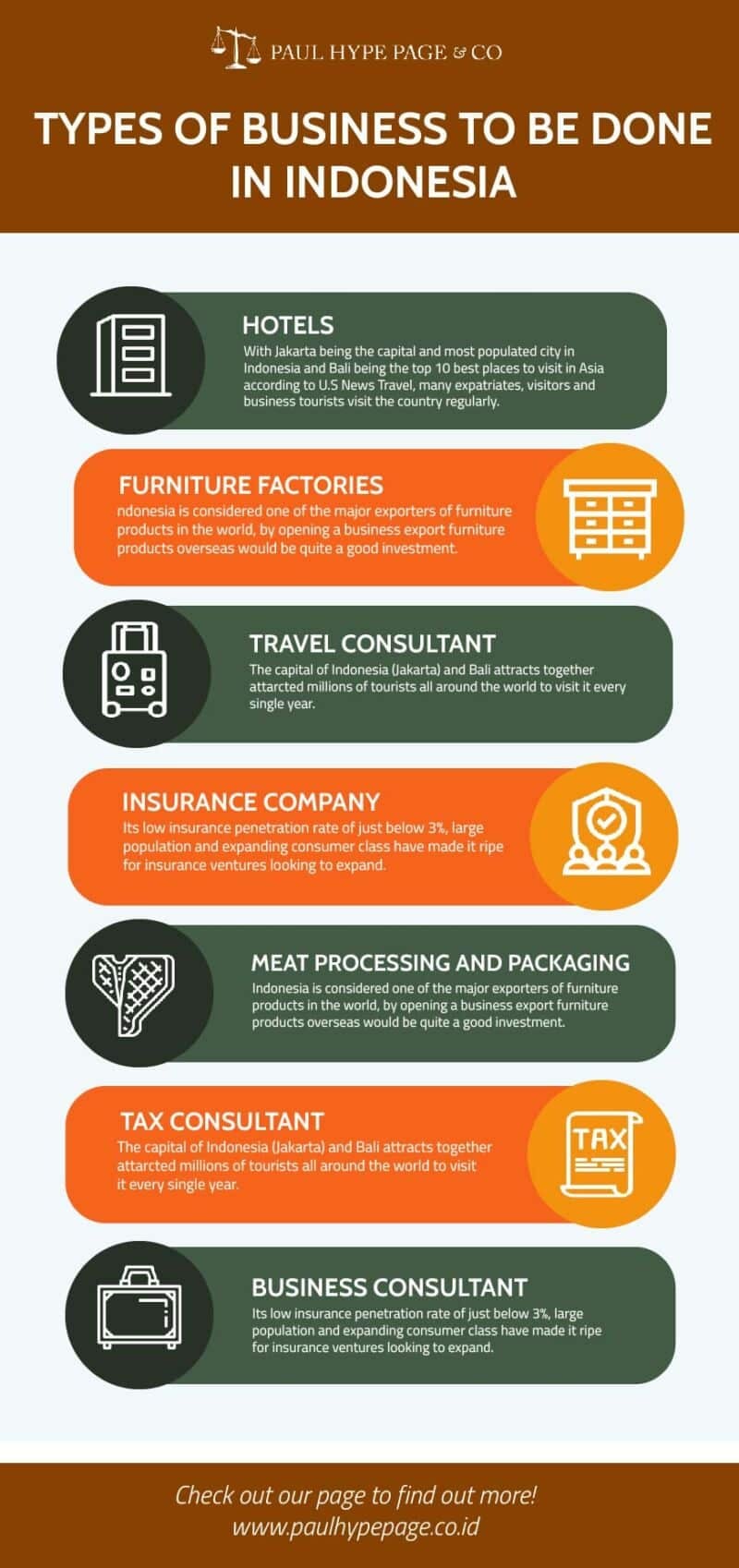
Indonesia’s competitive business landscape in Indonesia is a dynamic mix of opportunities and challenges that shape how companies strategize, innovate, and grow. Rapid urbanization fuels demand for consumer goods, while a youthful population drives a shift toward digital services. The government’s push for digital infrastructure and trade liberalization has opened new markets, yet regulatory complexities still pose hurdles for foreign investors. Understanding these forces is essential for any firm aiming to thrive in Southeast Asia’s largest economy.
Economic Size and Growth Momentum
With a GDP exceeding US$1.2 trillion, Indonesia ranks as the 16th largest economy worldwide. Its growth rate, averaging around 5% per year over the last decade, reflects steady industrial expansion and resilient consumer spending. The country’s strategic location between the Indian and Pacific Oceans positions it as a critical logistics hub, attracting multinational supply chains. However, the pace of growth is uneven across regions, making it crucial to target high‑growth provinces such as Jakarta, Surabaya, and Bandung.
Regulatory Landscape: Opportunities and Barriers
The Indonesian Ministry of Investment introduced the National Investment Coordinating Board (BKPM) to streamline approvals, reducing the time for business registration to under two weeks for many sectors. Meanwhile, the government’s “Digital Government 2025” plan aims to digitize public services, offering firms incentives to provide tech solutions. On the flip side, foreign ownership caps in areas like agriculture and media still restrict full equity participation. Companies must therefore align their capital structures with sector‑specific regulations to avoid costly delays.
Sector Spotlight: Tech, E‑Commerce, and FinTech
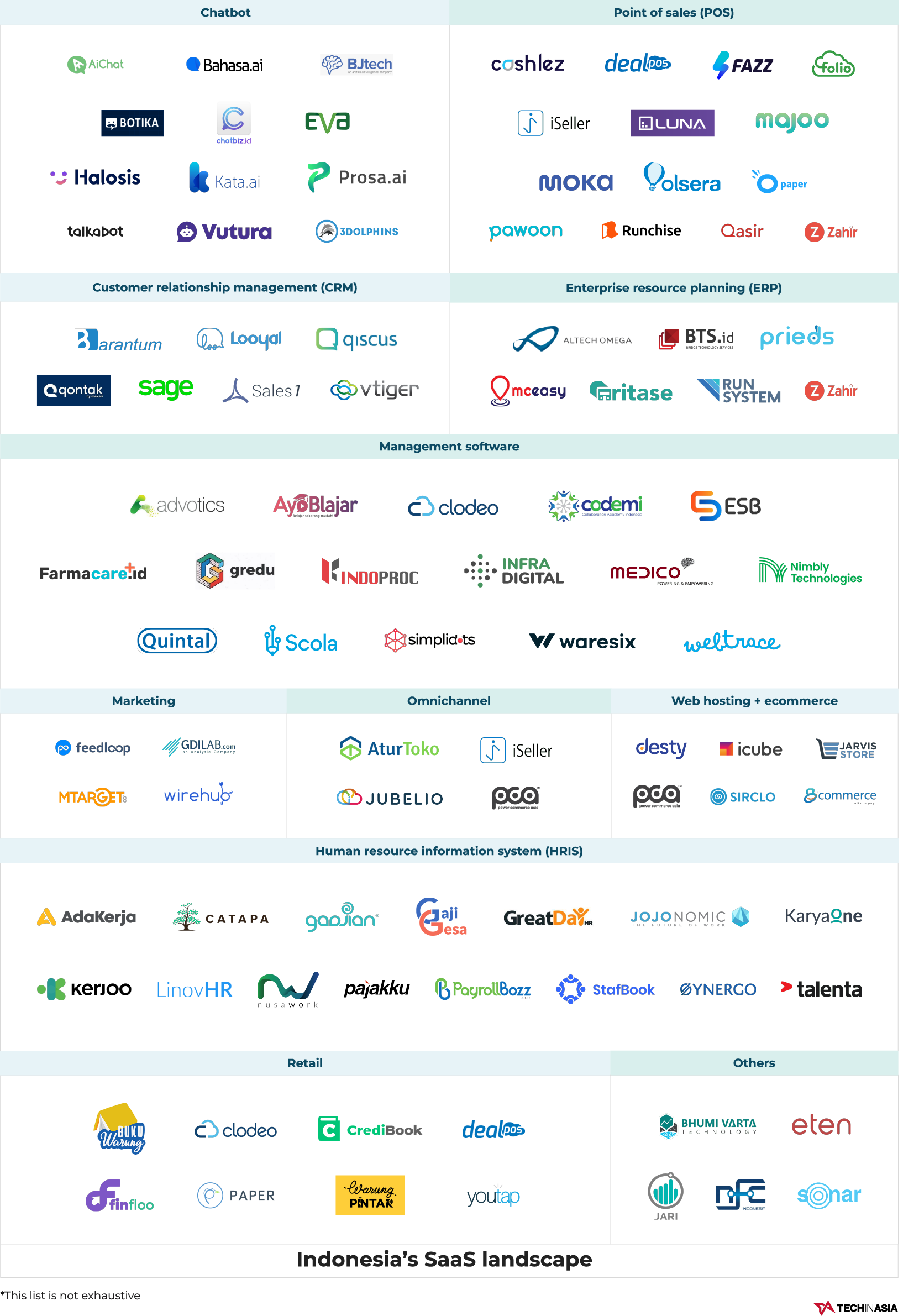
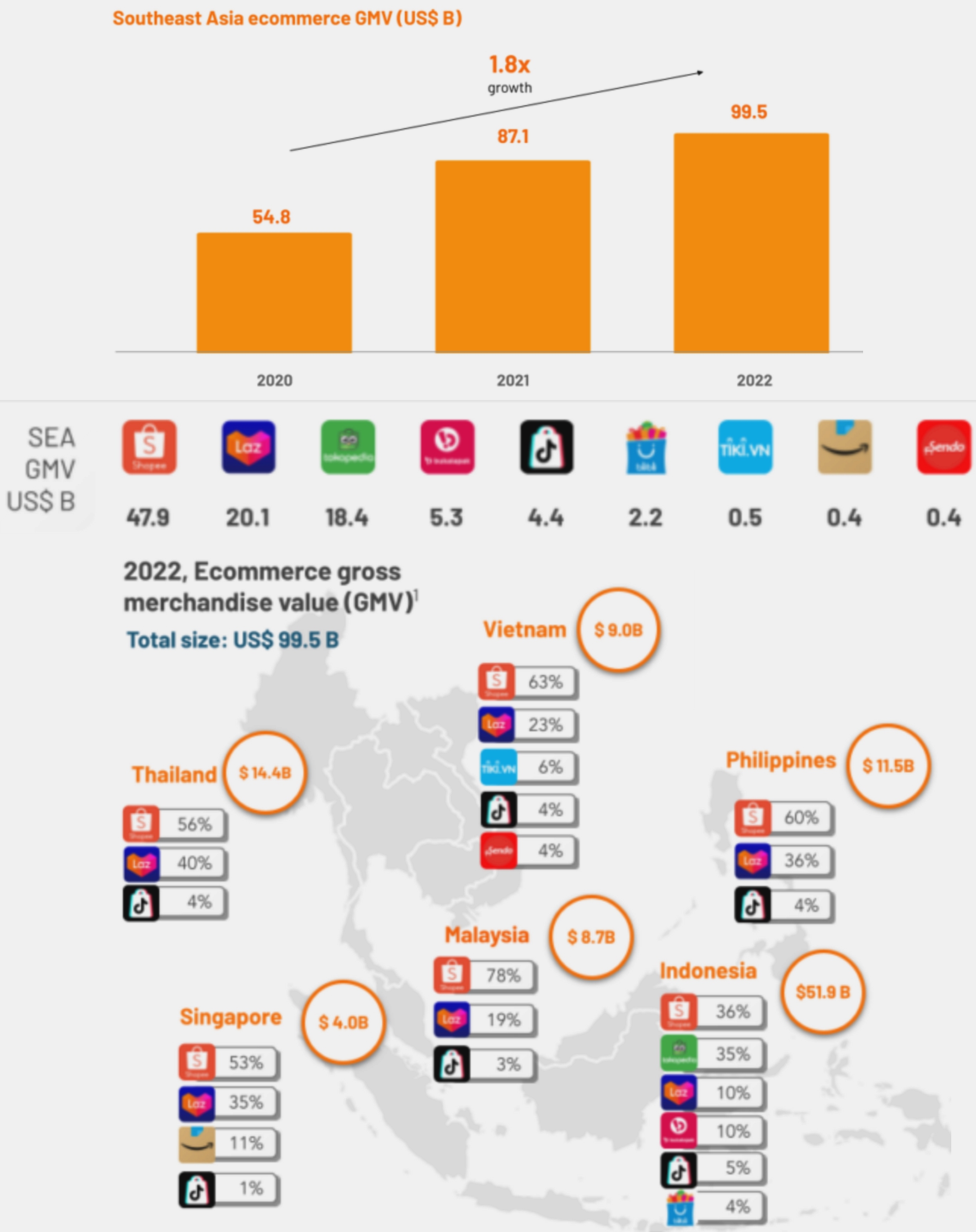
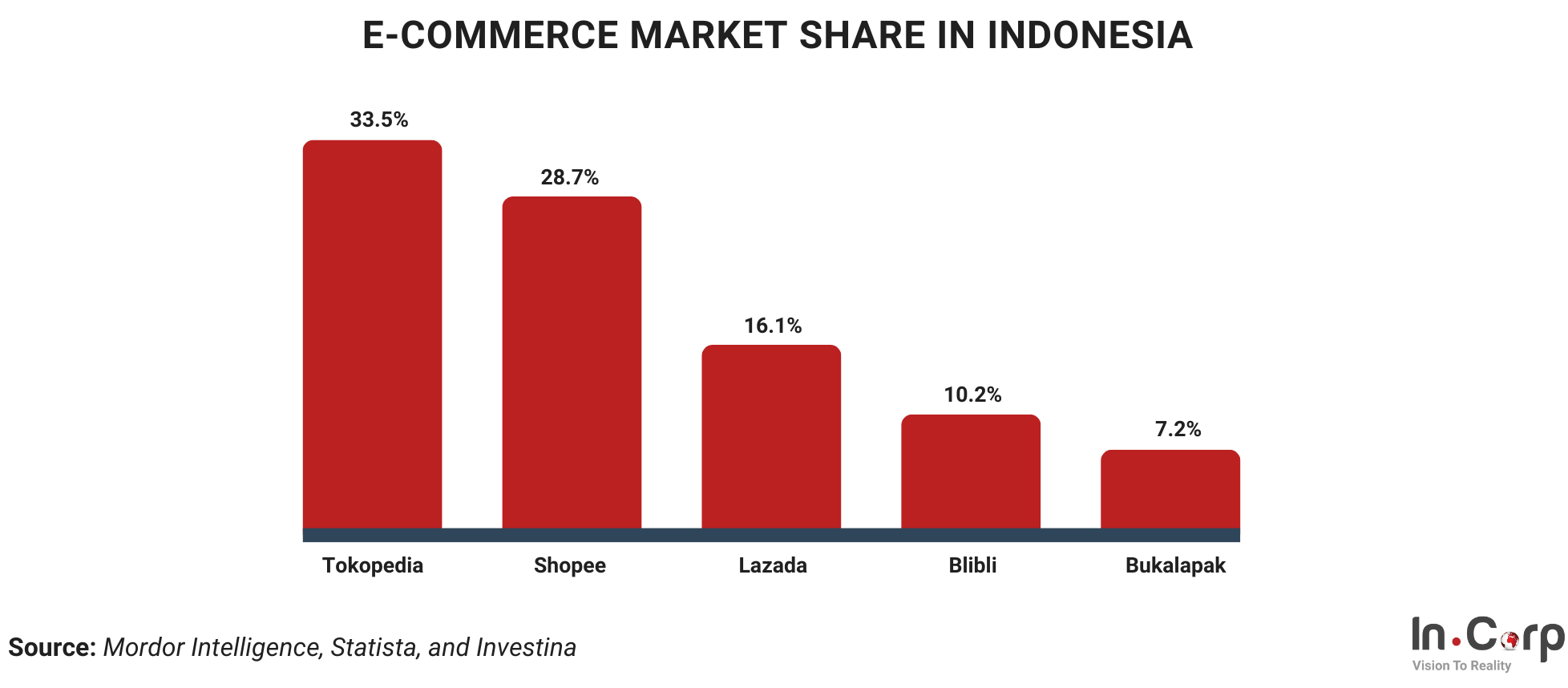
Indonesia’s tech sector has exploded, with the number of active internet users surpassing 170 million in 2023. E‑commerce platforms such as Tokopedia, Shopee, and Lazada now dominate retail, capturing a combined market share of over 70% of online sales. FinTech innovation is equally vibrant; the country’s digital payment market is projected to hit US$100 billion by 2025, driven by widespread smartphone adoption and supportive fintech regulations. Start‑ups that combine local insights with global best practices often outpace larger incumbents.
Manufacturing and Supply Chain Resilience
Indonesia remains a key player in the global supply chain for electronics, textiles, and automotive parts. The government’s “Make in Indonesia” policy encourages foreign direct investment through tax incentives and relaxed land use regulations for manufacturing plants. Yet the supply chain faces disruptions from natural disasters and fluctuating commodity prices. Firms that diversify sourcing across the archipelago and invest in digital inventory management typically outperform those relying on single‑source strategies.
Human Capital and Skills Gap
Indonesia’s workforce exceeds 60 million, with 20% under the age of 15, signaling a potential demographic dividend. Nonetheless, skill mismatches persist, especially in advanced manufacturing and software development. Private sector partnerships with universities have started to address this gap, offering apprenticeship programs and coding bootcamps. Companies that invest in continuous learning see higher employee retention and innovation rates.
Environmental and Social Considerations
Sustainability is no longer optional; investors increasingly demand transparent environmental impact reports. Indonesia’s rich biodiversity and high rates of deforestation make eco‑friendly practices a competitive advantage. Firms adopting circular economy models—recycling plastic, using renewable energy, and reducing waste—often qualify for green financing and enjoy favorable public perception. Social responsibility, such as supporting local communities and respecting indigenous rights, further strengthens brand equity.
Competitive Strategies for Market Entry
1. Local Partnerships – Collaborating with domestic firms can help navigate regulatory nuances and cultural preferences. 2. Digital First – Leveraging mobile platforms taps into the high penetration of smartphones, especially among younger consumers. 3. Agile Supply Chains – Implementing real‑time tracking and flexible sourcing reduces exposure to disruptions. 4. Continuous Innovation – Investing in R&D and adopting emerging technologies like AI and blockchain keeps companies ahead of rivals.
Future Outlook: 2025–2030
Economic forecasts suggest Indonesia will remain on an upward trajectory, with GDP projected to approach US$1.5 trillion by 2030. The government’s digital agenda, coupled with infrastructural projects such as the Trans‑Java toll road and the Bali–Jakarta high‑speed rail, is expected to cut logistics costs and improve connectivity. However, geopolitical tensions and climate change risks could temper growth, underscoring the need for resilient business models.
Frequently Asked Questions
Q: What is the easiest sector for foreign investors in Indonesia? A: The technology and e‑commerce sectors are currently the most welcoming, with streamlined approvals and ample government incentives.
Q: How can a company mitigate the skills gap in Indonesia? A: Partnering with local universities, sponsoring training programs, and offering internal upskilling courses are proven strategies.