How to Unlock Better Light, Deep, and REM Sleep Cycles
Getting the most out of a night’s rest isn’t just about clocking eight hours. It’s about guiding your body through the three natural stages—light, deep, and REM—so each can do its job. When those cycles line up, you’ll wake feeling refreshed, your memory will firm up, and your metabolism will stay on track. Below, we break down why each stage matters and what you can do tonight to nudge them in the right direction.
Understanding the Three Sleep Stages
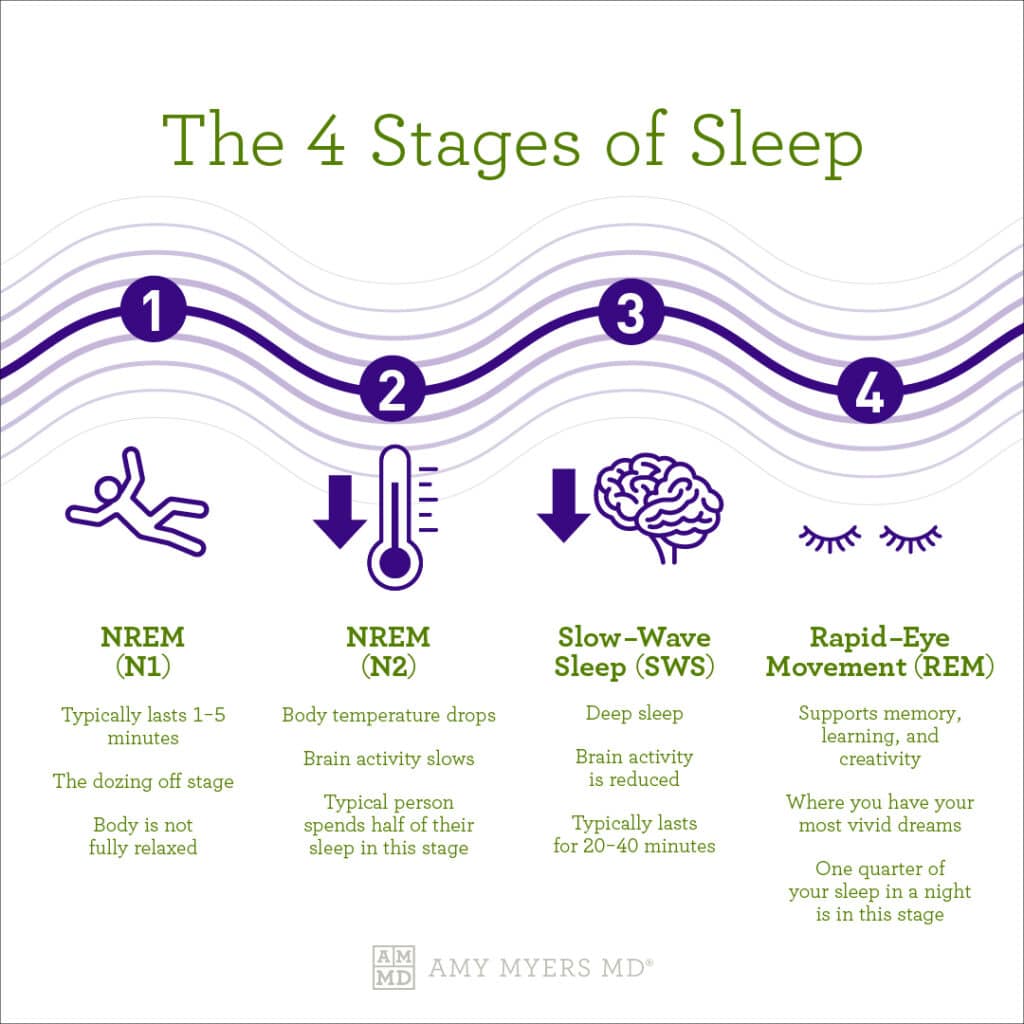
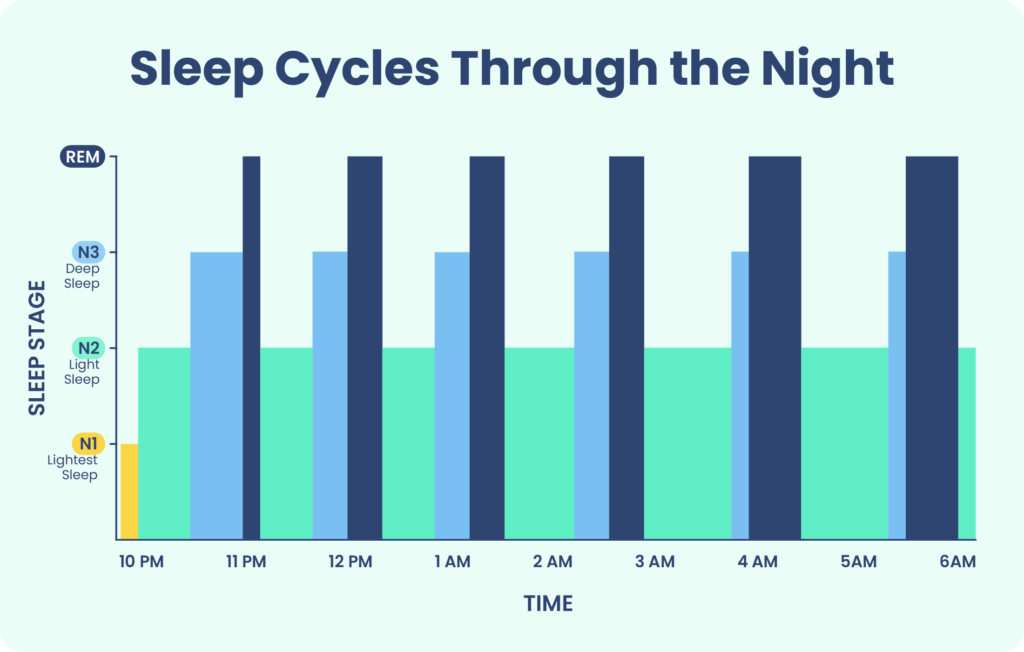
The sleep architecture repeats in roughly 90‑minute cycles. A typical night includes several rounds of:
- Light sleep (Stage 1‑2): The transition from wakefulness, where heart rate and temperature dip.
- Deep sleep (Stage 3‑4, also called slow‑wave sleep): The restorative phase when growth hormone spikes and tissue repair ramps up.
- REM sleep (Rapid Eye Movement): The brain‑intensive stage tied to dreaming, memory consolidation, and emotional processing.
Missing any of these can leave you feeling groggy, foggy, or even cranky. The goal isn’t to “force” one stage but to create conditions that let your body naturally progress through them.
Why Light Sleep Matters
Light sleep often gets a bad rap because it’s the briefest stage, but it’s a crucial gateway. During Stage 1, the brain slows enough to disengage from the day’s chatter, while Stage 2 introduces sleep spindles—brief bursts of activity that protect you from waking up.
If you skimp on light sleep, you risk fragmenting the entire cycle. Common culprits are bright screens, caffeine late in the day, and an overly stimulating bedtime routine. Simple tweaks—like dimming lights 30 minutes before bed and swapping coffee for herbal tea—can smooth the entry into deeper phases.
Boosting Deep Sleep
Deep sleep is where the body does its heavy lifting. Muscle repair, immune strengthening, and the release of growth hormone all happen here. Unfortunately, deep sleep peaks in the first third of the night, so anything that pushes you past it can reduce its overall share.
Here are evidence‑backed ways to coax more deep sleep:
- Keep the bedroom cool (around 65°F or 18°C). Lower temperatures signal the body that it’s time to conserve energy.
- Prioritize a consistent wake‑time, even on weekends. Regularity reinforces the natural dip in core temperature that triggers slow‑wave sleep.
- Include magnesium‑rich foods—almonds, spinach, pumpkin seeds—in your evening snack. Magnesium helps relax muscles and calm the nervous system.
- Avoid alcohol right before bed. While it may make you drowsy, it actually suppresses deep sleep and fragments REM later in the night.
Enhancing REM Sleep
REM is the brain’s playground. It’s when you process emotions, solidify procedural memory (like learning a new instrument), and clear out unnecessary neural connections. Factors that shorten REM can impair creativity and mood regulation.
To protect REM time:
- Limit nicotine and stimulants after midday; they can keep the brain in a hyper‑alert state that pushes REM further into the night.
- Make sure you get enough total sleep. REM tends to dominate the latter part of the night, so cutting sleep short eliminates that window.
- Consider a brief wind‑down meditation. Gentle mindfulness lowers cortisol, which otherwise can truncate REM episodes.
Practical Tips to Balance All Three
When you combine the recommendations for each stage, a simple nightly checklist emerges:
- Set the scene: Dim lights, cool temperature, and a clutter‑free sleeping surface.
- Mind the clock: Aim for a bedtime that allows at least 7½ hours of sleep, giving your body room for four full cycles.
- Watch what you ingest: Skip caffeine after 2 p.m., limit alcohol to one drink, and hydrate wisely.
- Signal wind‑down: Switch off screens, read a physical book, or practice gentle yoga for 10–15 minutes.
- Consistent rise time: Even on lazy weekends, get up within an hour of your usual wake‑up time.
These habits may feel modest, but over weeks they coax the nervous system into a predictable rhythm, letting light, deep, and REM sleep flow naturally.
FAQ
How can I tell if I’m getting enough deep sleep?
Many fitness trackers display a “deep sleep” percentage. While not medical‑grade, a consistent 15‑20 % of total sleep time is typical for healthy adults. If you feel refreshed after waking and rarely experience daytime fatigue, you’re likely hitting the mark.
What lifestyle factors most disrupt REM sleep?
Late‑night screen exposure, irregular sleep schedules, and high stress levels are the top disruptors. Reducing blue‑light exposure and establishing a calming pre‑sleep routine are the most effective fixes.
Can naps improve my overall sleep cycles?
Short naps (20‑30 minutes) can boost alertness without entering deep sleep, which might otherwise interfere with nighttime rest. If you nap longer than an hour, you risk entering slow‑wave sleep and feeling groggy afterward.
Is it normal for sleep cycles to change with age?
Yes. As we age, deep sleep tends to shrink while lighter stages increase. However, the strategies above still help maximize the quality of whatever sleep you get.