How to Treat a Cat Scratch and Guard Against Rabies
Finding a fresh cat scratch on your skin can be unnerving, especially when the word “rabies” pops into your mind. While cats are less common carriers of rabies than wild animals, the possibility isn’t zero, and a proper first‑aid routine can cut down infection risk and soothe the wound.
Understanding the Risk of Rabies from Cat Scratches
Rabies is a viral disease that travels through saliva, usually via bites. A scratch can become a conduit for the virus if the cat’s claws are contaminated with infected saliva—think of a cat licking its paws after a fight. Most domestic cats in the United States are vaccinated, so the overall danger is low, but unvaccinated or stray cats pose a higher threat.
Beyond rabies, cat scratches can introduce bacteria such as Pasteurella or Staphylococcus. These bacteria are the more frequent culprits behind redness, swelling, and occasional infection. Knowing the difference helps you decide when a simple home treatment suffices and when professional care is essential.
Immediate First‑Aid Steps for a Cat Scratch
- Stay calm and assess the wound. Most scratches are superficial, but deeper punctures need extra attention.
- Wash your hands. Use soap and warm water before touching the affected area to avoid transferring germs.
- Rinse the scratch under running water. A gentle stream for at least 15 seconds helps flush out debris.
- Clean with mild antiseptic. Options like diluted hydrogen peroxide, iodine solution, or an over‑the‑counter antiseptic wipe work well.
- Pat dry with a clean towel. Avoid rubbing, which can irritate the tissue further.
- Apply a thin layer of antibiotic ointment. Over‑the‑counter bacitracin or mupirocin can keep bacterial growth at bay.
- Cover loosely with a sterile bandage. This protects the site while still allowing air to circulate.
- Monitor for changes. Redness, swelling, warmth, or pus appearing after 24‑48 hours warrants a closer look.
These steps are quick, inexpensive, and often enough to prevent most complications. Remember, the key is thorough cleaning—rabies virus particles are fragile and can be removed if the wound is flushed promptly.
When to Seek Professional Medical Care
Even with diligent first aid, certain red flags should push you toward a doctor or urgent‑care clinic:
- The cat is unknown, stray, or shows signs of illness.
- You cannot verify the cat’s rabies vaccination status.
- The scratch is deep, bleeding heavily, or involves joints, tendons, or bones.
- Signs of infection develop—intensifying pain, swelling, fever, or a foul odor.
- You haven’t received a tetanus booster in the last ten years and the wound is contaminated.
Medical professionals may administer a rabies post‑exposure prophylaxis (PEP) series if the exposure risk is deemed significant. They’ll also consider a tetanus shot and may prescribe oral antibiotics to ward off bacterial infection.
Preventing Rabies Exposure from Cats
Prevention starts long before a scratch occurs. Here are practical habits that lower the odds of both rabies and bacterial problems:
Keep Your Cats Vaccinated
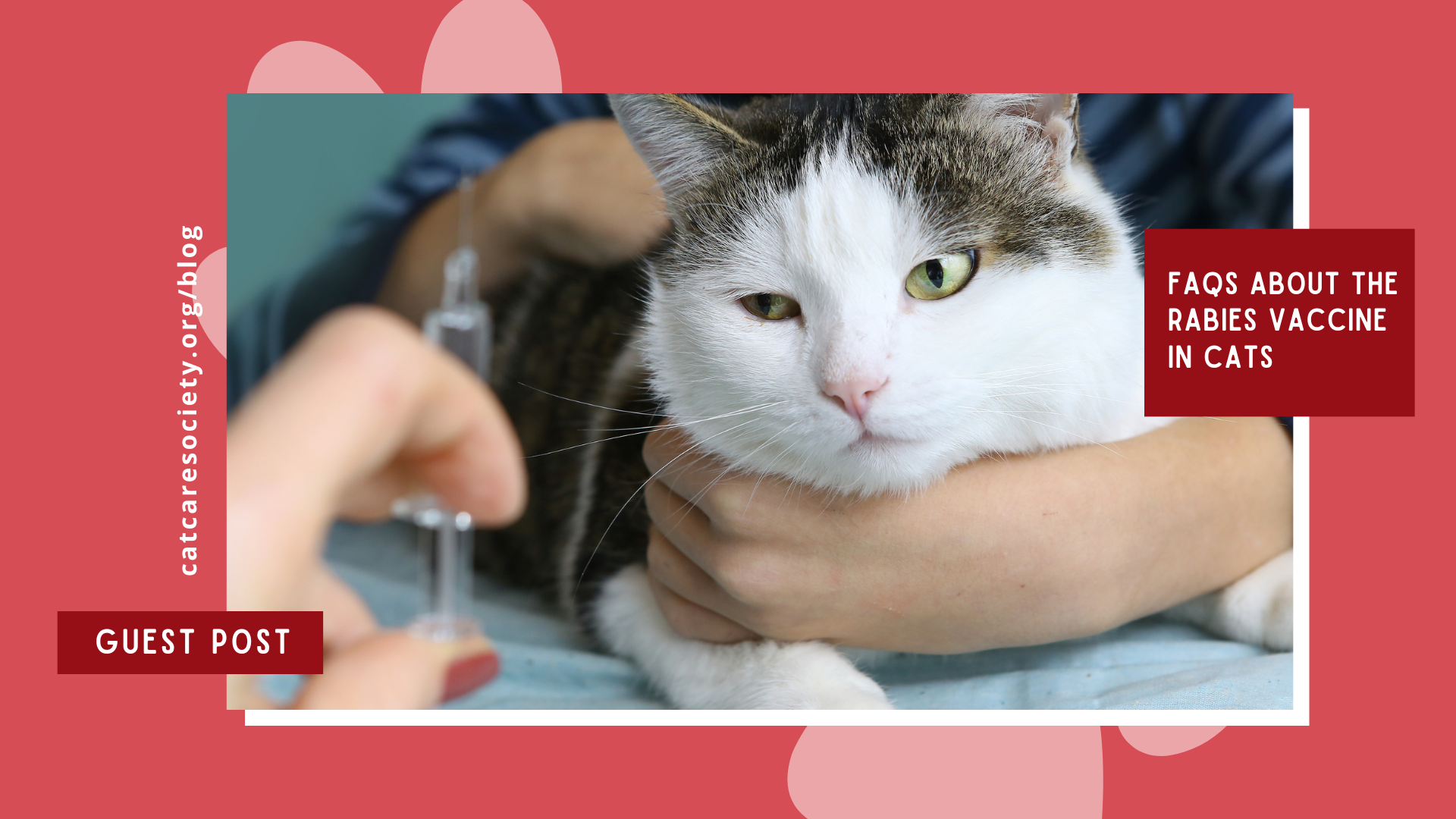
Annual rabies vaccination is not just a legal requirement in many places; it’s the most reliable shield against the virus. If you own a cat, schedule regular vet visits to stay up to date.
Practice Safe Handling
Even the friendliest cat can lash out when startled. Approach slowly, avoid direct overhead reaching, and respect a cat’s personal space—especially when they’re eating or resting.
Trim Claws Regularly
Shorter claws reduce the depth of any accidental puncture, making scratches easier to clean and less likely to harbor bacteria.
Maintain Good Hygiene at Home
Wash your hands after handling cats, cleaning litter boxes, or cleaning up after them. A simple habit that cuts down on potential pathogen transfer.
Know the Local Rabies Landscape
If you live near wildlife corridors or in regions with higher rabies prevalence, be extra vigilant with outdoor cats and stray animals. Community animal control programs often offer low‑cost vaccination clinics.
Aftercare and Long‑Term Watchfulness
Once the initial healing phase passes, keep an eye on the scar’s appearance. Persistent itching or a raised bump could indicate a lingering infection or a minor allergic reaction. Applying a gentle moisturizer after the wound fully closes can prevent dryness and aid skin health.
If you notice any neurological symptoms—such as confusion, excessive drooling, or muscle weakness—after a cat scratch, seek emergency care immediately. Though rare, these signs can point to rabies or another serious infection.
Frequently Asked Questions
Can a cat transmit rabies through a scratch alone?
Yes, but only if the cat’s claws are contaminated with infected saliva. The risk is much lower than from a bite, especially when the cat is vaccinated.
Do I need a tetanus shot after a cat scratch?
If your tetanus vaccination is up to date (within the past ten years), a booster isn’t usually required. However, deep or dirty wounds may prompt a doctor to recommend a booster.
How long does it take for a cat scratch to heal?
Most superficial scratches heal within a week or two. Deeper punctures can take several weeks, depending on care and whether infection occurs.
Is there any home remedy that can replace antiseptic cleaning?
No. While mild soap and water are essential, an approved antiseptic is the most reliable way to kill lingering pathogens. Home remedies like vinegar or alcohol can irritate the tissue and aren’t recommended.