How to Track Your Phone Using Its IMEI and Locate It Anywhere
Misplacing a smartphone is more than an inconvenience; it can expose personal data and leave you stranded. Fortunately, every mobile device carries a unique identifier called an IMEI (International Mobile Equipment Identity). By leveraging that number, you can enlist the help of specialized trackers, carrier services, or third‑party apps to pinpoint a lost phone’s whereabouts. Below is a step‑by‑step guide that walks you through extracting the IMEI, choosing the right tracking method, and keeping your device secure.
What Is an IMEI and Why It Matters
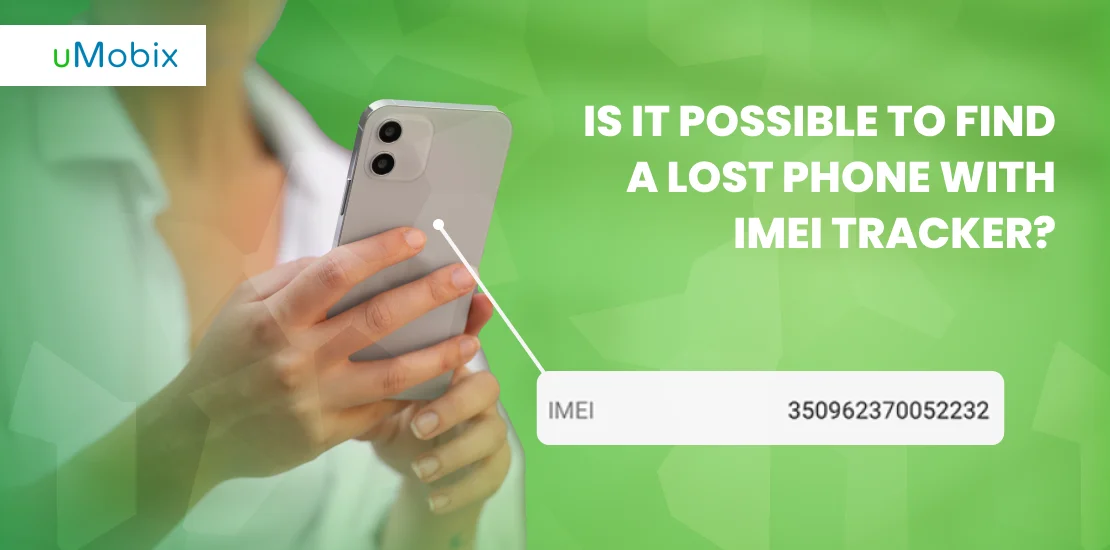
The IMEI is a 15‑digit code stamped into the hardware of every GSM, UMTS, or LTE phone. Unlike a SIM card number, the IMEI stays with the device for life, making it a reliable fingerprint for law enforcement, carriers, and reputable tracking services. When you provide the IMEI to a trusted service, they can query the device’s last known cell tower connections, flag it as stolen, or even remotely lock it.
How to Find Your Phone’s IMEI Quickly
Before you can start any tracking effort, you need the exact IMEI. Here are the most common ways to retrieve it:
- Dial a code: Open the phone app and type *#06#. The IMEI will pop up on the screen instantly.
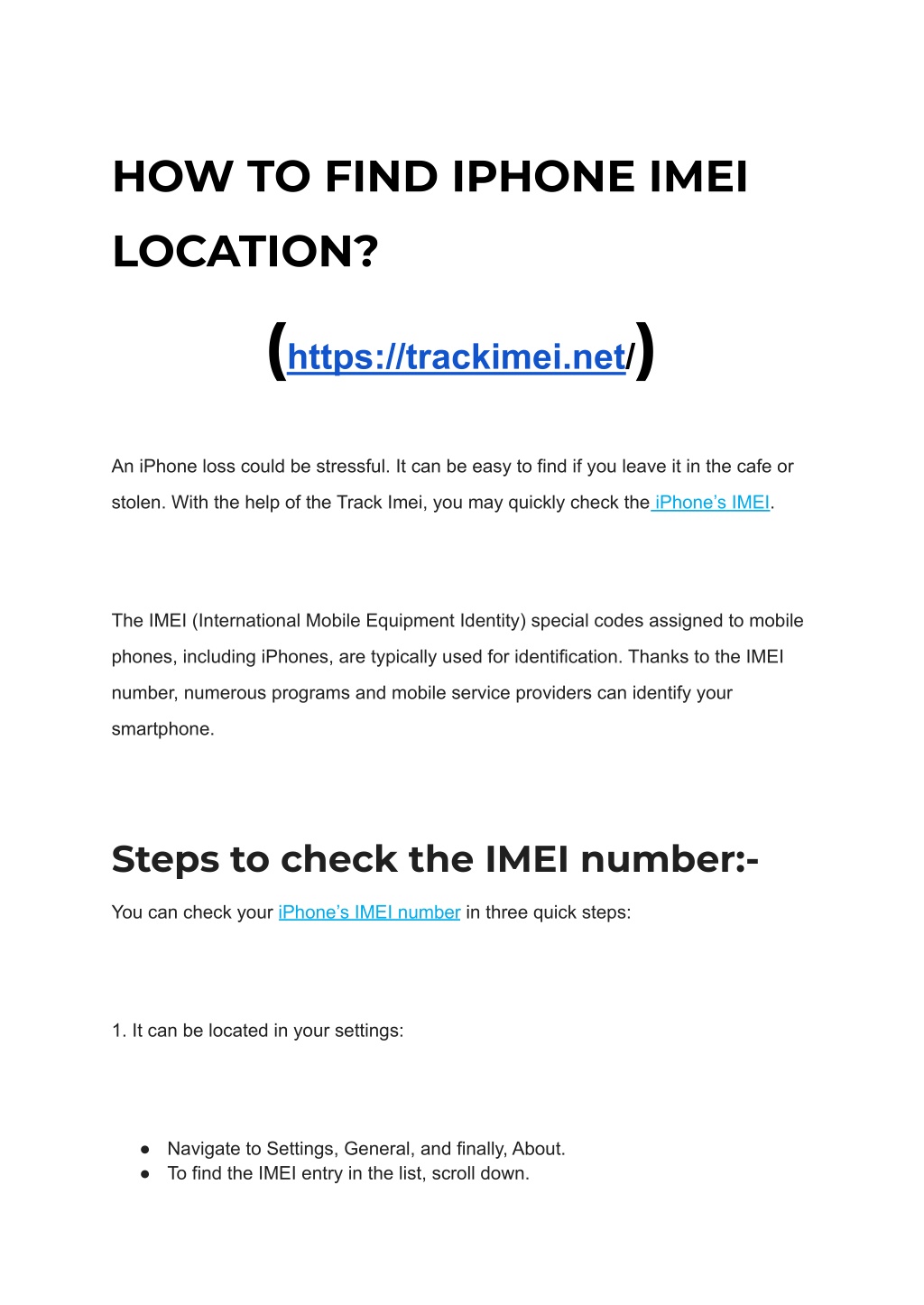
- Settings menu: On iOS, go to Settings > General > About. On Android, tap Settings > About Phone > Status > IMEI information.
- Physical label: Many phones have the IMEI printed on the back or inside the SIM tray.
- Packaging: The original box or receipt often lists the IMEI.
Write the number down or save it in a secure note— you’ll need it later.
Using Carrier Services to Locate a Device
Most mobile operators offer a “device locate” or “lost phone” feature tied to the IMEI. Here’s how to activate it:
- Contact your carrier’s customer support and request IMEI‑based tracking.
- Provide proof of ownership (e.g., purchase receipt or account details).
- The carrier can then either block the device from connecting to the network or share its last known location with you.
While carriers can’t always give you real‑time GPS coordinates, they can prevent the phone from being used on any network, which is a crucial deterrent for thieves.
Third‑Party IMEI Trackers: What to Look For
If you prefer a more hands‑on approach, several reputable apps and websites claim to locate phones via IMEI. When evaluating these services, keep an eye on:
- Privacy policy: The service should clearly state how your data is stored and used.
- Reputation: Look for user reviews and any reports of scams.
- Features: Real‑time GPS, remote lock, data wipe, and audible alarm are the most useful tools.
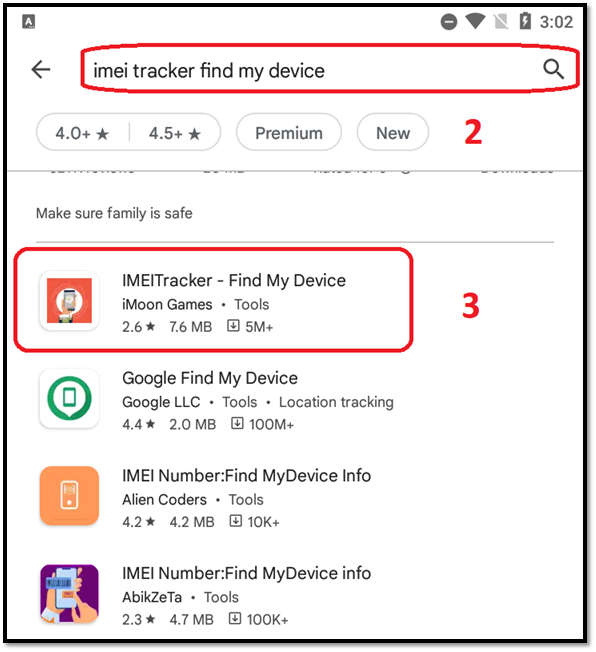
Popular options include Find My Device (Android), Find My iPhone (iOS), and specialized platforms like IMEI Tracker Pro. Remember that these tools still rely on the phone’s internet connection or cellular data to report its location.
Step‑by‑Step: Tracking Your Phone with an IMEI App
Below is a generic workflow that applies to most IMEI‑based tracking apps:
- Install the app on a secondary device (another smartphone, tablet, or computer).
- Register an account using a secure password and, if offered, enable two‑factor authentication.
- Add your lost phone by entering its IMEI number.
- Once the phone connects to the internet, the app will display its GPS coordinates on a map.
- Use built‑in features to ring the device, lock the screen, or erase sensitive data.
If the phone is offline, the app typically logs the last known location and notifies you when it comes back online.
What to Do If the Phone Is Offline
Phones that are turned off, have a dead battery, or are in airplane mode won’t broadcast any signal. In those cases:
- Report the IMEI to your carrier and local law enforcement. They can add it to a national stolen‑device database.
- Keep the tracking app active; it will alert you the moment the device powers up.
- Consider using “Find My Device” services that can display the last known location even when the phone is currently offline.
Preventive Measures for Future Security
While tracking tools are valuable, the best defense is proactive preparation:
- Enable built‑in “Find My” services before you lose the phone.
- Set a strong screen lock and encrypt the device.
- Regularly back up data to the cloud so you can restore it if a wipe becomes necessary.
- Keep a physical record of your IMEI in a safe place, separate from the device.
Frequently Asked Questions
Can I track a phone with just the IMEI, without any apps installed?
Generally, you need either a carrier’s assistance or a third‑party service that can query the device’s network activity. Purely IMEI‑based web tools that claim to locate a phone instantly without the device’s cooperation are typically unreliable.
Is it legal to use an IMEI tracker on a phone that isn’t mine?
Only the legitimate owner or someone with explicit permission should use IMEI tracking. Using the number to monitor another person’s device without consent can violate privacy laws in many jurisdictions.
How accurate is IMEI tracking compared to GPS?
IMEI tracking relies on cell tower triangulation, which can be accurate within a few hundred meters in urban areas. GPS, when available, can pinpoint a location within a few meters. Combining both methods yields the best results.
What should I do if the tracker shows my phone is in a foreign country?
Contact the local police and your carrier immediately. Provide them with the IMEI and any location data you have; they can coordinate with international networks to flag the device.