How to Replace a Lost Car Title Quickly and Easily
Losing your car title can feel like an unexpected roadblock, especially when you need to sell, refinance, or register your vehicle. The good news is that the process to get a replacement isn’t as daunting as it seems. Below is a step‑by‑step guide that walks you through everything you’ll need, from gathering paperwork to navigating your state’s motor vehicle department.
Why the Title Matters
The title is the legal document that proves you own the vehicle. It’s required whenever you transfer ownership, apply for a loan, or even update your registration after moving. Without it, you may encounter delays, additional fees, or even be unable to complete a sale.
Gather the Information You’ll Need
Before you pick up the phone, assemble a few key items. Having them on hand will streamline the application and reduce back‑and‑forth with the DMV.
- Your driver’s license or state ID
- Vehicle Identification Number (VIN)
- Current registration card (if available)
- Proof of address, such as a utility bill
Step 1: Verify Ownership
The DMV must be sure you’re the rightful owner. If the title was ever transferred, you’ll need supporting documents—like a bill of sale, loan payoff statement, or a notarized affidavit—showing that the vehicle is yours. In cases where the title was previously lost and replaced, keep the old replacement receipt handy.
Step 2: Contact Your State’s DMV
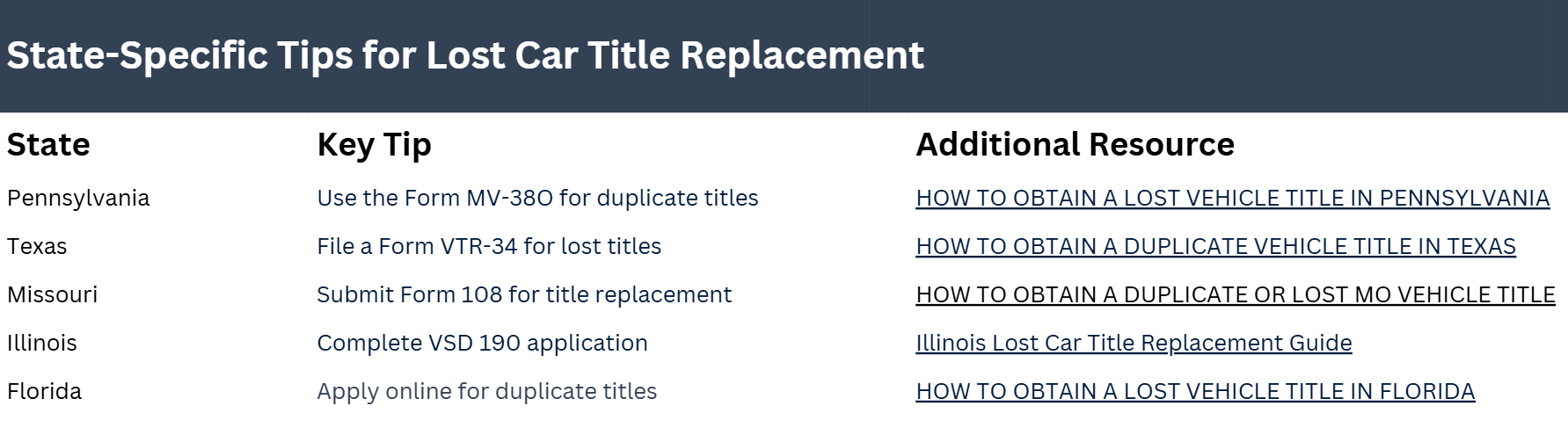
Each state has its own form and submission method. Many offices now offer online portals where you can start the application, while others still require an in‑person visit. A quick search for “[your state] lost car title replacement” will point you to the correct page or phone number. If you’re unsure, a brief call can clarify whether you need to mail forms or appear at a local office.
Step 3: Fill Out the Application
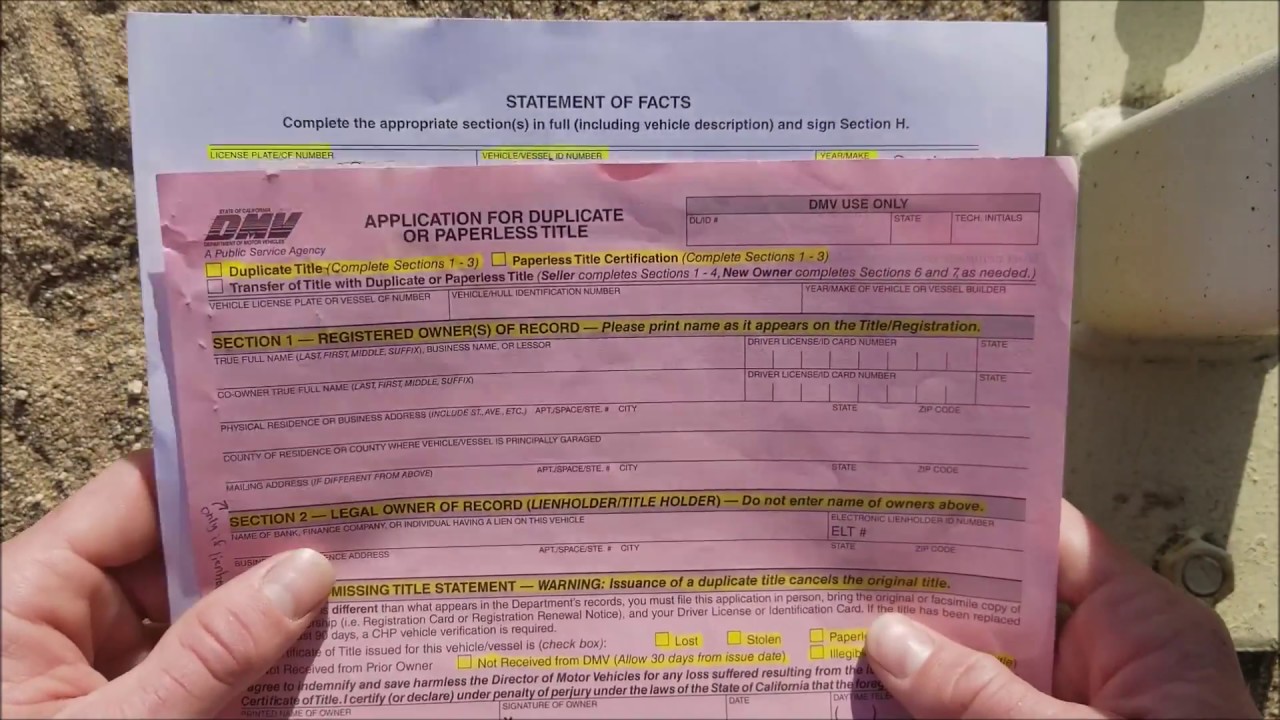
Most states use a “Title Replacement” or “Duplicate Title” form. It typically asks for basic vehicle details, your personal information, and the reason you need a new title. Be honest about the loss—some forms ask whether the title was stolen, destroyed, or simply misplaced. If you suspect theft, you might also need to file a police report.
Step 4: Pay Fees and Submit
Replacement fees vary widely, ranging from $5 in some states to $30 or more in others. Payment methods can include credit cards, checks, or cash if you’re filing in person. After you submit the form and payment, the DMV will either give you a temporary paper title (useful for immediate transactions) or process a permanent one.
Step 5: Receive Your New Title
Processing times differ; some states mail a new title within a week, while others may take two to three weeks. Keep the temporary document (if issued) safe, and track the mailing if a tracking number is provided. When the official title arrives, store it in a secure, fire‑proof location—perhaps a safe deposit box or a home safe.
Common Pitfalls to Avoid
Even a smooth process can hit snags when you overlook small details. Here are a few mistakes that catch people off guard:
- Forgetting the VIN. The number on the dashboard and the one on the registration must match exactly.
- Using an outdated address. The DMV will mail the new title to the address on file, so update your address before applying.
- Skipping the notarization. Some states require an affidavit to be notarized if the title was lost under suspicious circumstances.
- Paying the wrong fee. Double‑check the amount on the official form; online portals sometimes list outdated fees.
When to Consider a Title Replacement Service
If you’re pressed for time or find the paperwork overwhelming, a licensed title service can handle the filing for you. They charge a modest service fee on top of the state’s replacement cost. This can be worthwhile for busy professionals, out‑of‑state vehicle owners, or anyone who wants to avoid multiple trips to the DMV.
Frequently Asked Questions
Can I get a replacement title if the car is still under a loan?
Yes, but the lender must be notified. In many cases, the new title will list the lienholder as the primary owner until the loan is paid off.
Do I need to report a lost title to the police?
A police report isn’t always required, but it’s advisable if you suspect theft. Some states ask for the report number on the replacement form.
How long does a replacement title stay valid?
A replacement title is a permanent document; there’s no expiration. Just keep it safe, and you won’t need another replacement unless it’s lost again.
Is there a way to get a digital copy of the title?
A few states now offer electronic titles that can be accessed through a secure online portal. Check your DMV’s website to see if this option is available in your jurisdiction.