How to Master a 15‑Minute PSEi Trading Strategy
For traders who thrive on speed, the Philippine Stock Exchange Index (PSEi) offers a surprisingly lively playground. A well‑crafted 15‑minute trading strategy can capture intraday swings while keeping exposure short enough to dodge the market’s larger noise. Below we break down the why, the what, and the how, so you can move from “just watching the ticker” to actually profiting from those rapid price ticks.
What Is the PSEi and Why Trade It Quickly?
The PSEi aggregates the 30 most liquid stocks on the Philippine Stock Exchange, serving as a barometer for the nation’s equity market. Because it’s composed of high‑volume constituents, the index tends to react sharply to local news—central bank moves, earnings releases, or even political headlines. Those reactions often unfold within minutes, making the index an ideal candidate for short‑term scalping or momentum bursts.
Core Elements of a 15‑Minute Strategy
Any robust short‑term plan rests on three pillars: clear entry criteria, disciplined exit rules, and tight risk controls. Skipping any of these turns a fast‑moving chart into a minefield.
- Timeframe consistency: All signals must be derived from the 15‑minute candle chart; mixing in daily or hourly data creates conflicting bias.
- Technical filters: A couple of well‑chosen indicators can separate genuine moves from fleeting blips.
- Position sizing: Even a few seconds of hesitation can swing a trade from profit to loss, so the size of each bet matters more than the size of the index.
Step‑by‑Step Setup
1. Choose Your Charting Platform
Pick a broker or charting service that offers real‑time 15‑minute candles for the PSEi. Latency above a few seconds can erode any edge you hope to gain.
2. Apply a Simple Indicator Suite
A practical combo for a 15‑minute approach includes:
- Exponential Moving Averages (EMA): 9‑period EMA for short‑term trend, 21‑period EMA for a slightly broader view.
- Relative Strength Index (RSI): Set to 14 periods; values above 70 flag overbought conditions, below 30 signal oversold.
- Volume Spike Filter: Only consider moves accompanied by a volume surge of at least 150% of the 15‑minute average.
3. Define Entry Rules
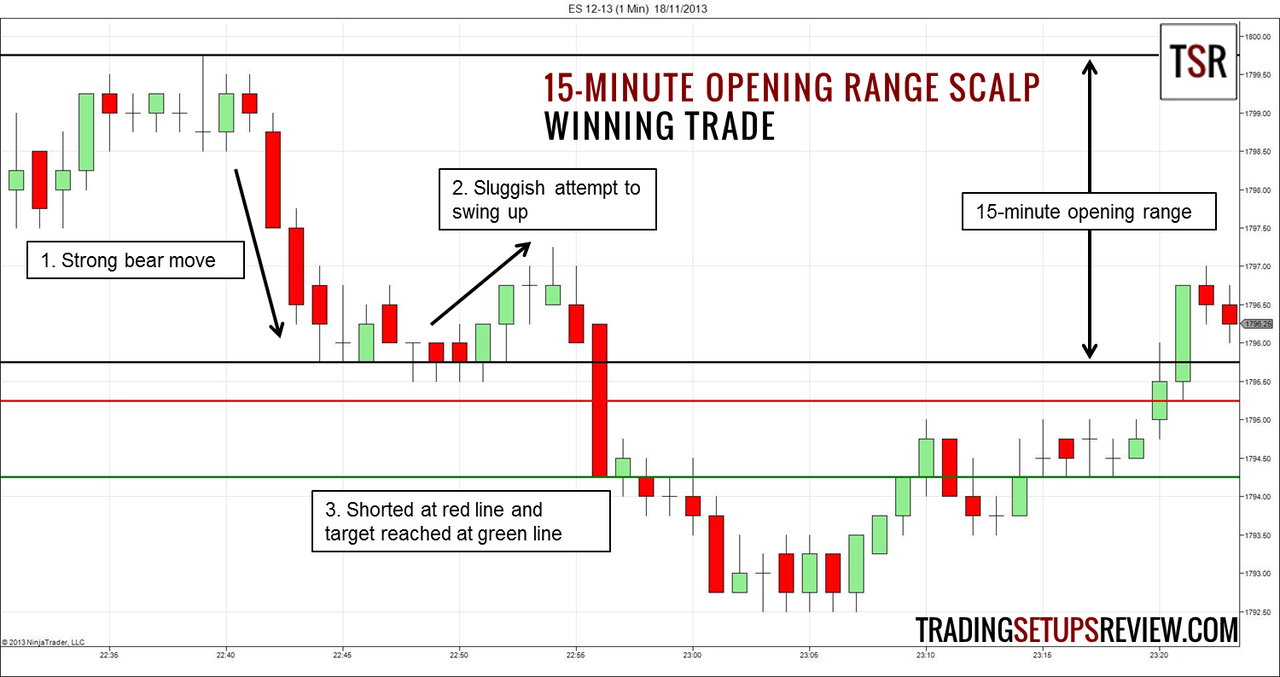
Enter long when the 9‑EMA crosses above the 21‑EMA, the RSI is climbing from below 50, and a volume spike confirms momentum. Reverse the logic for short entries. The crossover must hold for at least one full candle to avoid false signals.
4. Set Exit Parameters
Two exits work well together:
- Profit target: 0.5%–1% move from entry, depending on your risk appetite.
- Stop‑loss: Place a stop just below the recent swing low for longs (or above the swing high for shorts), typically 0.3%–0.5% away.
Trailing stops can be added once the trade moves 0.3% in your favor, locking in gains while allowing the price to run.
Risk Management Essentials
Even the slickest 15‑minute pattern can be busted by unexpected news. Follow these safeguards:
- Risk no more than 1% of your total capital on any single trade.
- Limit the number of concurrent positions to two; juggling more can dilute focus and increase slippage.
- Implement a daily loss cap (e.g., 3% of account equity) and stop trading once it’s hit.
Backtesting and Fine‑Tuning
Before committing real money, run your rule set through at least three months of historic 15‑minute data. Look for:
- Win‑rate above 55%—a reasonable benchmark for fast intraday systems.
- Average reward‑to‑risk ratio near 2:1, meaning profits should double the amount you risk per trade.
- Consistent performance across different market conditions (bullish, bearish, and sideways).
If the numbers fall short, tweak one variable at a time—perhaps widen the EMA periods or adjust the RSI thresholds—then retest.
Common Pitfalls to Avoid
Beginners often stumble over these traps:
- Over‑optimizing: Tailoring parameters to past data can produce a strategy that collapses in live markets.
- Ignoring transaction costs: Even modest commissions eat into the thin margins of a 15‑minute game.
- Chasing news: Reacting to headlines after the price has already moved usually results in buying high and selling low.
- Emotional re‑entries: After a stop‑loss hits, resist the urge to “win it back” immediately; stick to the pre‑defined plan.
FAQ
What time of day works best for a 15‑minute PSEi strategy?
The first two hours after the market opens (9:30‑11:30 AM) and the final hour before the close (2:00‑3:00 PM) typically see the most liquidity and price movement, offering the clearest signals.
Do I need to trade the PSEi directly, or can I use its component stocks?
Both approaches work. Trading the index via futures or ETFs mirrors the overall market swing, while trading individual high‑liquidity components can provide finer entry points but requires monitoring more charts.
How often should I review my 15‑minute setup?
Monthly reviews are advisable. Check whether win‑rate, average profit, and loss figures stay within your target range, and adjust parameters if market volatility shifts dramatically.
Is a 15‑minute strategy suitable for beginners?
It can be, provided the trader commits to strict risk limits and spends time backtesting. Starting with a simulated account helps build the necessary reflexes without risking real capital.