How to Fix the Most Common 2018 CR‑V LX AWD Issues
The 2018 Honda CR‑V LX AWD is a solid family SUV, but like any vehicle that sees regular use, it develops a handful of quirks that show up more often than owners would like. Whether you’ve noticed a shudder when shifting, a stubborn battery, or an occasional rattling from the suspension, understanding the root causes can save you time and money. Below we break down the most frequently reported problems, how to diagnose them, and what practical steps you can take before heading to the dealer.
Typical Symptoms and What Triggers Them
Even though the LX trim isn’t packed with the bells and whistles of higher‑end models, its core mechanical components share the same design as the rest of the 2018 CR‑V lineup. The issues that pop up tend to cluster around a few key areas:
- Transmission shudder. Drivers often report a low‑speed vibration when the CVT shifts from park to drive, especially on a gentle incline.
- Excessive oil consumption. Some owners notice the engine oil level dropping faster than the owner's manual suggests, even without visible leaks.
- Battery drain. After the vehicle sits for a night or two, the battery may be too weak to crank the engine.
- Brake squeal or grinding. This can appear after the pads wear down or when the rotors develop hot spots.
- Air‑conditioning and heating glitches. The climate control may cycle irregularly or fail to reach the set temperature.
- Infotainment freezes. The touchscreen occasionally freezes, forcing a reboot.
- Suspension clunk. A dull thud when going over bumps often points to worn bushings or a loose sway bar link.
Most of these problems aren’t catastrophic; they’re more like annoyances that can become costly if ignored.
Diagnosing the Issues
Before you reach for a wrench, it helps to confirm which system is actually at fault. A systematic approach saves you from swapping parts that aren’t responsible.
- Check the service light codes. A flashing check‑engine light usually points to the transmission or engine‑related concerns.
- Inspect the oil dipstick regularly. If the level drops more than a quart in a month without a visible leak, note the rate and bring it up with a technician.
- Perform a simple battery test: turn on the headlights for a few minutes, then try to start the engine. Dim lights or a slow crank suggest a weak battery or a parasitic draw.
- Listen for brake noises while applying light pressure. Squeal that disappears after a few stops often means the pads are glazing, whereas grinding that persists signals worn pads or rotors.
- Feel for vibration during low‑speed acceleration. A shudder that coincides with the CVT’s “shift” point is a classic sign of a transmission‑related issue.
Documenting these observations will make any conversation with a service advisor more productive.
Practical Solutions You Can Try
Some fixes are straightforward enough for a DIY enthusiast with basic tools. Others are best left to a certified Honda technician.
Transmission Shudder
- Update the transmission software. Honda released a TSB in 2019 that recalibrates shift timing for the 2018 CVT.
- Replace the engine’s air filter if it’s dirty; a restricted airflow can exacerbate shudder.
- If the shudder persists, have the fluid drained and replaced with the recommended Honda CVT fluid. Low‑viscosity fluid can cause the belt to slip at low speeds.
Excessive Oil Consumption
- Use the recommended 0W‑20 synthetic oil and keep the oil level between the “low” and “full” marks.
- Consider installing a higher‑capacity oil filter; some owners report that a premium filter reduces oil burn.
- If the consumption continues, a professional may need to inspect the piston rings or valve stem seals—components that typically require a shop visit.
Battery Drain
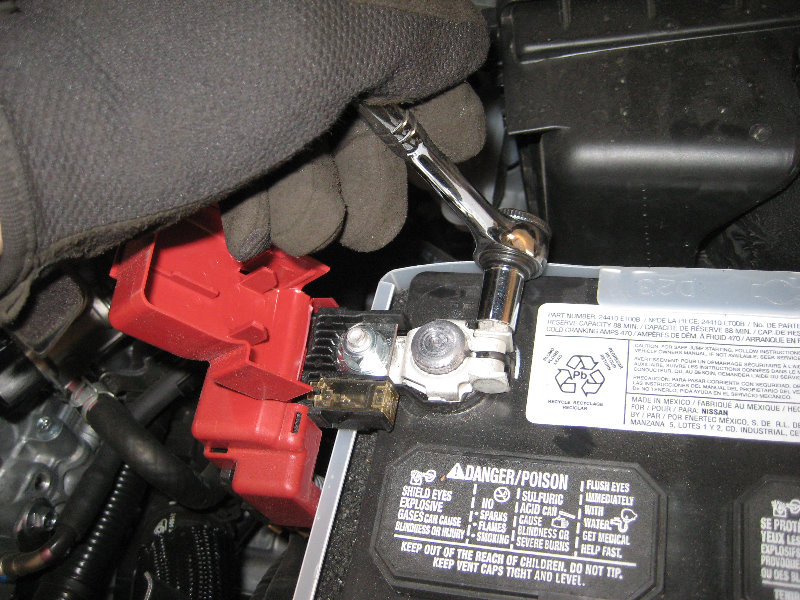
- Disconnect any aftermarket accessories (like a dash cam) that stay powered when the car is off.
- Perform a parasitic draw test with a multimeter; a draw over 50 mA usually indicates a shorted relay or a stuck module.
- Replace the battery with a Honda‑approved Group 51R unit if it’s older than three years.
Brake Noise
- Inspect the brake pads for uneven wear; replace them if the friction material is below 3 mm.
- Resurface or replace the rotors if they show deep scoring or hot spots.
- Apply a high‑temperature brake lubricant to the back of the pads to reduce squeal.
Climate Control Glitches
- Reset the HVAC system by disconnecting the battery for 10 minutes; this clears any stored error codes.
- Check the cabin air filter; a clogged filter can restrict airflow and cause temperature lag.
- If the problem recurs, the blend door actuator may need replacement—an often‑overlooked but common fix.
Infotainment Freezes
- Update the head unit firmware through Honda’s website; the latest version addresses several freeze issues.
- Clear the system’s cache by holding the power button for 10 seconds.
- When firmware updates don’t help, a dealer may need to replace the unit, as hardware failures become more likely after several years.
Suspension Clunk
- Lubricate the sway bar links and control arm bushings with a silicone‑based grease.
- Swap out any cracked or dried-out bushings; they’re inexpensive and relatively easy to replace.
- If the clunk persists after bushing replacement, a shock absorber may be worn and should be inspected.
When to Seek Professional Help
While many of the above steps are DIY‑friendly, certain situations warrant a visit to a certified Honda service center:
- Persistent transmission shudder after fluid change and software update.
- Oil consumption that exceeds a quart per month despite using the correct oil grade.
- Repeated battery drain after checking for parasitic draws.
- Brake grinding that doesn’t improve after pad and rotor service.
Honda technicians have access to proprietary diagnostic tools that can read the CVT’s internal parameters and pinpoint issues that a generic OBD‑II scanner might miss.
Preventive Maintenance Tips
Staying ahead of problems is often cheaper than fixing them after they appear. Here are a few habits that can extend the life of your 2018 CR‑V LX AWD:
- Schedule a CVT fluid change at the 30,000‑mile mark, even though Honda lists it as “as needed.”
- Rotate the tires every 5,000‑7,000 miles to keep the AWD system balanced.
- Replace the cabin air filter annually to maintain proper HVAC function.
- Run the engine at light load for a few minutes every week; this helps burn off any fuel residues that contribute to oil consumption.
- Inspect the battery terminals for corrosion during each oil change and clean them with a baking‑soda solution.
FAQ
Q: Why does my 2018 CR‑V LX AWD shake only when I accelerate from a stop?
A: The most common cause is a CVT‑related shudder that occurs during low‑speed gear changes. Updating the transmission software and refreshing the CVT fluid often resolves the issue.
Q: Is excessive oil consumption covered under Honda’s warranty?
A: If the vehicle is still under the power‑train warranty (usually 5 years/60,000 miles), Honda will investigate and may replace engine components if a defect is found. After the warranty expires, the repair becomes an out‑of‑pocket expense.
Q: How often should I replace the brake pads on the CR‑V LX AWD?
A: Honda recommends inspecting the pads every 10,000 miles. In typical driving conditions, pads often last 30,000‑40,000 miles, but heavy city use can shorten that interval.
Q: My infotainment screen freezes repeatedly—should I just reset it?
A: A reset can clear temporary glitches, but if freezing persists after a firmware update, the hardware is likely aging and may need replacement.