How to Find Reliable COVID‑19 News Sources and Stay Updated
Why Trustworthy COVID‑19 News Matters
In a world where headlines pop up faster than you can finish a cup of coffee, sorting fact from fiction feels like a full‑time job. Reliable COVID‑19 news sources are more than a convenience—they’re a public‑health lifeline. When you base decisions on shaky data, you risk personal health, workplace safety, and community well‑being.
Accurate reporting helps you gauge risk, understand vaccine eligibility, and interpret changing guidelines. The upside? You spend less time second‑guessing and more time acting on solid information.
How to Identify Reliable COVID‑19 News Sources
Not every outlet that mentions the pandemic deserves a seat at your reading table. Here are the hallmarks of trustworthy coverage:
- Clear Authority: Look for organizations that specialize in health—government agencies, academic institutions, and established medical journals.
- Transparent Sources: Articles should cite original studies, official statements, or data dashboards. Vague references are a red flag.
- Balanced Tone: Reliable pieces present both benefits and uncertainties, avoiding sensational language that screams “clickbait.”
- Regular Updates: COVID‑19 science evolves rapidly. A good source revises its content as new evidence emerges.
- Editorial Oversight: Peer‑reviewed journals, or newsrooms with dedicated health editors, add an extra layer of scrutiny.
Top Tier Sources You Can Trust
Below is a quick rundown of outlets that consistently meet the criteria above. They’re not exhaustive, but they’re a solid starting point.
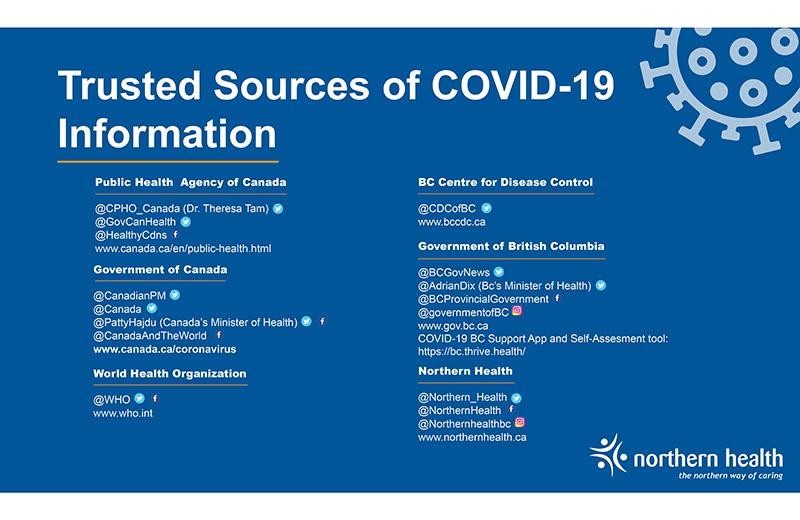
- World Health Organization (WHO) – Global policy updates, variant tracking, and vaccine guidance.
- U.S. Centers for Disease Control and Prevention (CDC) – State‑by‑state data, mask recommendations, and FAQs for everyday life.
- National Institutes of Health (NIH) – In‑depth research summaries and clinical trial results.
- Reuters Health – Straightforward reporting with citations to peer‑reviewed studies.
- The Lancet – Peer‑reviewed articles and commentary from leading epidemiologists.
- BBC Health – International perspective with a reputation for balanced storytelling.
If you need a quick snapshot, many of these agencies also publish daily or weekly newsletters you can subscribe to for free.
Practical Tips for Staying Informed Daily
Even the best sources can feel overwhelming. Here’s a simple workflow to keep you up‑to‑date without drowning in data.
- Set a limited “news window.”strong> Choose a specific time—maybe 15 minutes each morning—to browse trusted sites. Outside that window, avoid scrolling aimlessly.
- Use a feed aggregator. Tools like Feedly let you pull RSS feeds from the WHO, CDC, and other reputable outlets into one clean list.
- Enable alerts for breaking updates. Most health agencies offer email or SMS alerts for major policy shifts or new variant announcements.
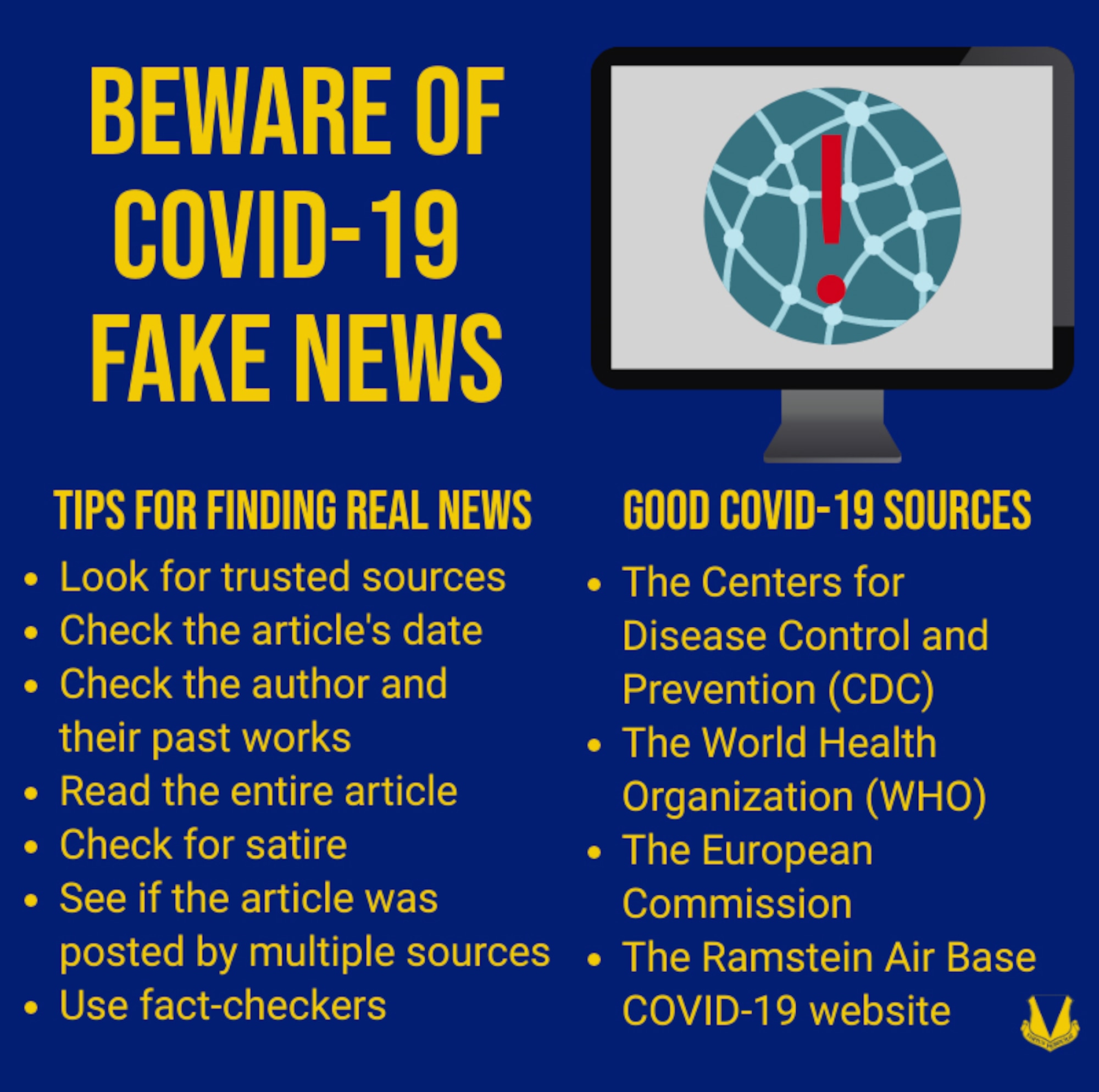
- Cross‑check headlines. If a story seems shocking, verify it on at least two reliable platforms before sharing.
- Bookmark a fact‑check hub. Sites like Snopes or FactCheck.org maintain a COVID‑19 section that debunks viral myths.
Red Flags: When a Source Might Be Misleading
Spotting misinformation is half the battle. Keep an eye out for these warning signs:
- Absence of author credentials or institutional affiliation.
- Heavy reliance on anecdotal evidence or personal testimonies without data backing.
- Frequent use of emotionally charged language—words like “deadly,” “miracle,” or “government conspiracy.”
- Links that redirect to unrelated or commercial sites.
- Claims that conflict with consensus statements from major health bodies.
When in doubt, pause and run a quick search of the claim on reputable medical databases or official health portals.
FAQ
How can I tell if a COVID‑19 article is peer‑reviewed?
Peer‑reviewed pieces usually appear in academic journals or on platforms that explicitly state “peer‑reviewed.” Look for a DOI number, journal name, or a note about the review process.
Are social media accounts run by health agencies reliable?
Generally, yes—provided the account is verified (the blue checkmark) and belongs to an official organization like @WHO or @CDCgov. Still, treat each post as a summary; follow the linked source for full details.
Can I rely on podcasts for COVID‑19 updates?
Podcasts can be useful, especially those hosted by medical journalists or scientists. Verify that the host cites credible studies and avoids speculation.
What’s the best way to avoid panic from constant news?
Limit exposure to brief, scheduled check‑ins, and pair each update with a concrete action—like washing hands, scheduling a vaccine appointment, or adjusting travel plans. Action beats anxiety.