How to Explore Nighttime Allure and Capture Its Magic
Why the Night Holds a Different Kind of Charm
When the sun dips below the horizon, the world doesn’t simply shut down; it switches to a softer, more mysterious palette. This shift is what many call nighttime allure—the subtle pull of shadows, artificial glows, and the quiet that lets the imagination wander. Whether you’re a traveler, a photographer, or just someone who enjoys an evening stroll, the night offers experiences that daylight rarely matches.
Finding the Best Spots for Evening Exploration
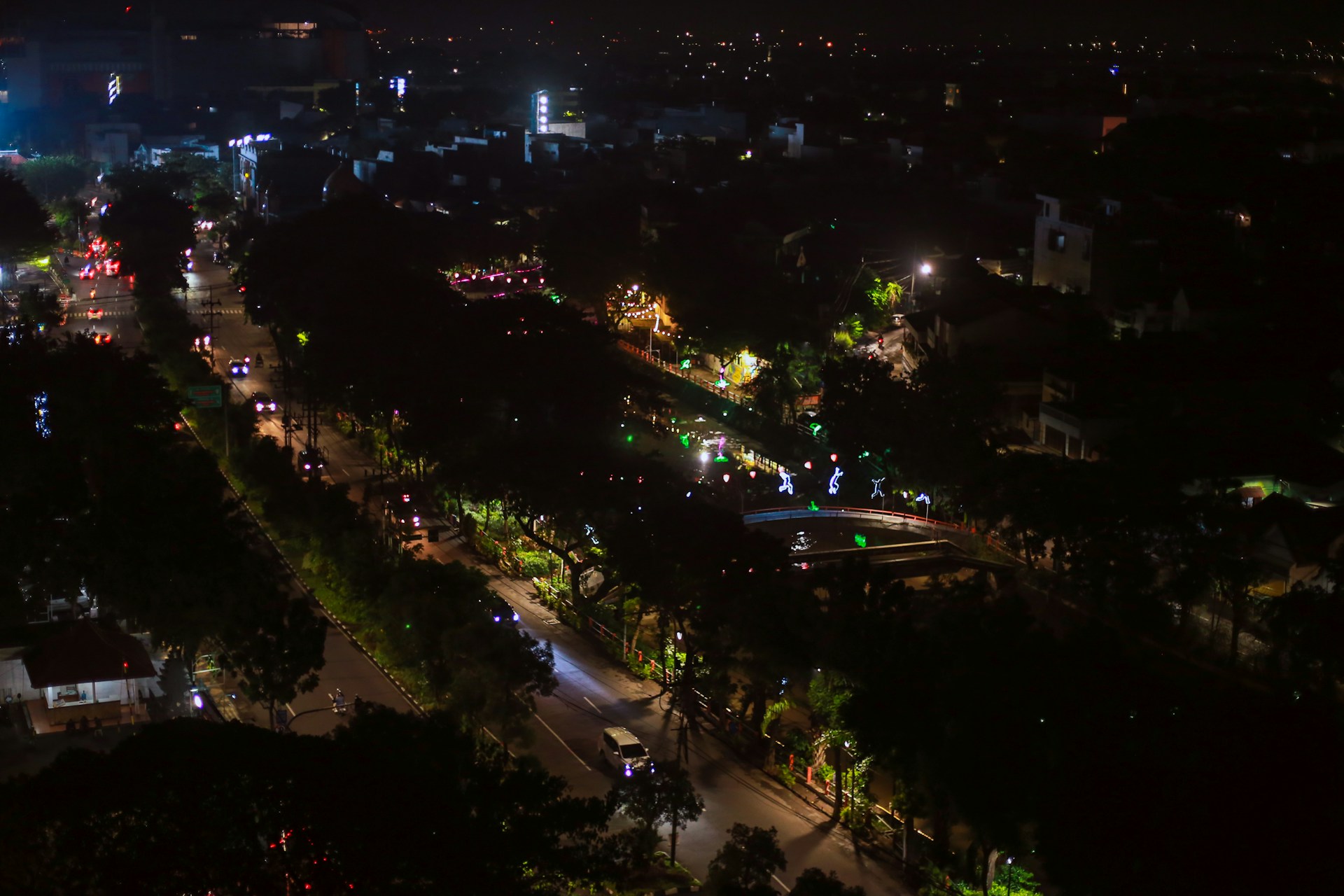
Not every corner of a city or countryside feels equally inviting after dark. Start by scouting locations that naturally amplify light and contrast. Historic districts with lantern-lit streets, waterfronts where reflections dance on water, and open fields under a clear sky are classic choices. In many places, local forums or social media groups share hidden gems—think small cafés with ambient lighting or rooftops that overlook a skyline.
- Urban streets*: Look for areas with a mix of neon signs and older street lamps.
- Nature retreats*: Lakes, deserts, and mountain ridges become dramatic under moonlight.
- Cultural venues*: Night markets, evening festivals, or open-air concerts add motion to the stillness.
Photography Tips to Highlight the Night’s Mood
Capturing the night’s allure isn’t just about using a tripod; it’s about understanding how light behaves after sundown. Begin with a low ISO to keep noise at bay, then experiment with longer exposures to let ambient light paint the scene. If you have a lens with a wide aperture (f/1.8‑f/2.8), you’ll gather more light without sacrificing sharpness.
Don’t forget the creative possibilities of light painting. A slow shutter combined with a handheld flashlight can trace outlines or write words in the darkness—perfect for adding a personal touch to an otherwise static frame. And always keep an eye on the horizon; a faint glow from a city or a sunrise on the edge can add depth and narrative to your shot.
Safety First: Staying Comfortable While You Explore
Nighttime adventures are rewarding, but they also come with unique considerations. Dress in layers—temperatures can drop quickly, especially near water or at higher elevations. Carry a reliable light source, such as a headlamp with adjustable brightness, and keep a backup battery handy. If you’re navigating unfamiliar streets, a map app with offline capability can be a lifesaver when cellular signals fade.
Finally, let someone know where you’re headed, especially if you’re venturing into less populated areas. A quick text with your planned route and expected return time adds a layer of security without dampening the sense of freedom.
Immersive Experiences: Beyond Sight
Nighttime allure isn’t limited to what you see; it’s also about what you hear and feel. The rustle of leaves, distant traffic hum, or a live acoustic set at a rooftop bar can turn an ordinary evening into a multisensory memory. Consider pausing to listen to the ambient sounds, or bring a small notebook to jot down fleeting thoughts—these details often become the most vivid parts of your story later on.
Local Traditions That Celebrate the Dark
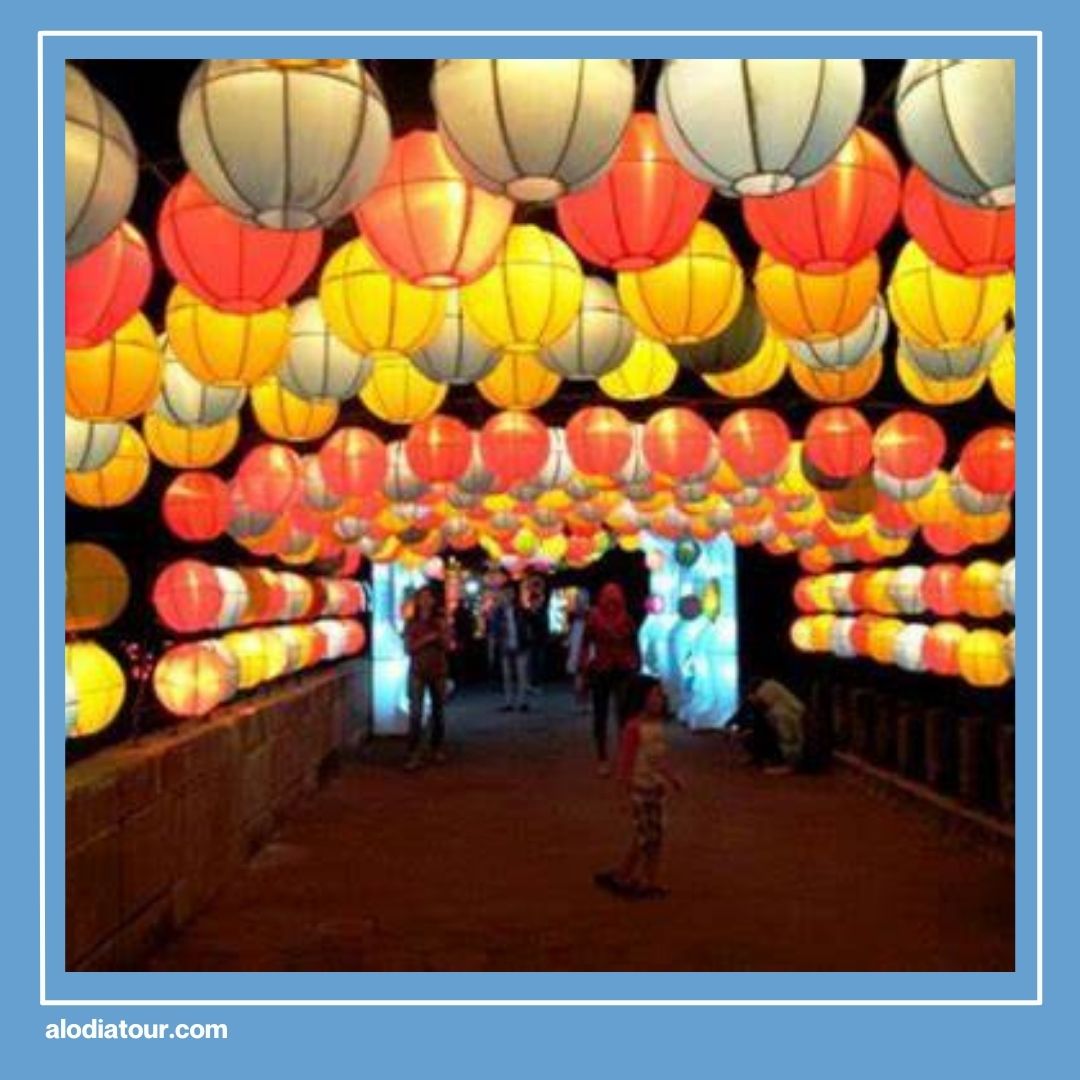
Many cultures have festivals or rituals that honor the night. From lantern releases in East Asian coastal towns to midnight prayers in desert oasis camps, these events showcase how societies transform darkness into celebration. Participating in such traditions can deepen your appreciation for the night’s allure, giving you a glimpse into how different peoples find beauty where others see only the absence of light.
Practical Checklist for a Nighttime Outing
- Charged phone and portable power bank
- Headlamp or flashlight with spare batteries
- Warm clothing and comfortable shoes
- Camera gear (tripod, extra memory cards, lens wipes)
- Map or offline navigation app
- Light snacks and water
- Contact details of a trusted friend or family member
FAQ
What time of night is best for photography?
Early twilight, often called the blue hour (roughly 20‑30 minutes after sunset), provides a cool, even light that’s ideal for cityscapes. For star photography, wait until at least an hour after sunset when artificial lights have dimmed.
Can I capture the night’s allure without expensive gear?
Absolutely. Modern smartphones with night mode can produce impressive results, especially when you keep the device steady and use a small amount of manual exposure control if available.
How do I stay safe when exploring remote nighttime locations?
Plan your route in advance, carry a reliable light source, let someone know your itinerary, and avoid isolated spots if you’re alone. Trust your instincts—if a place feels uncomfortable, it’s okay to turn back.
Are there any cultural etiquette tips for night festivals?
Observe local customs: some festivals may have specific dress codes, or certain areas might be reserved for participants only. A quick glance at the event’s website or a polite ask of a local organizer can prevent accidental faux pas.