How to Explore Germany’s 16 States: A Complete Guide
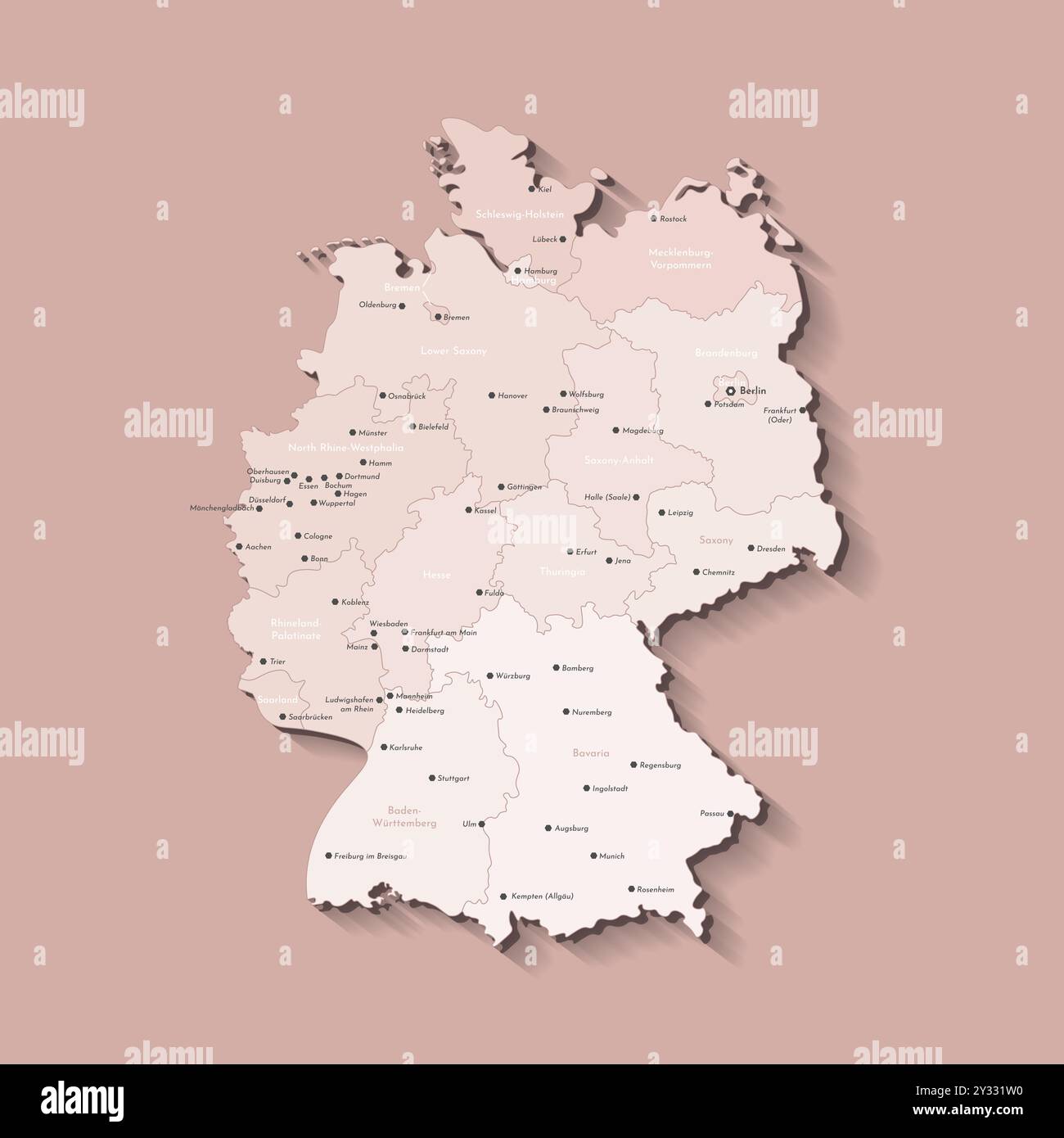
When people talk about “the provinces of Germany,” they’re really referring to the 16 federal states, or Bundesländer, that together form the country’s political and cultural mosaic. Each state carries its own history, dialect, culinary quirks, and landscape, making a road‑trip across Germany feel more like a mini‑tour of Europe. Below you’ll find a practical roadmap for navigating these provinces, plus insider tips on what to see, eat, and experience along the way.
Why Germany’s Provinces Matter for Travelers
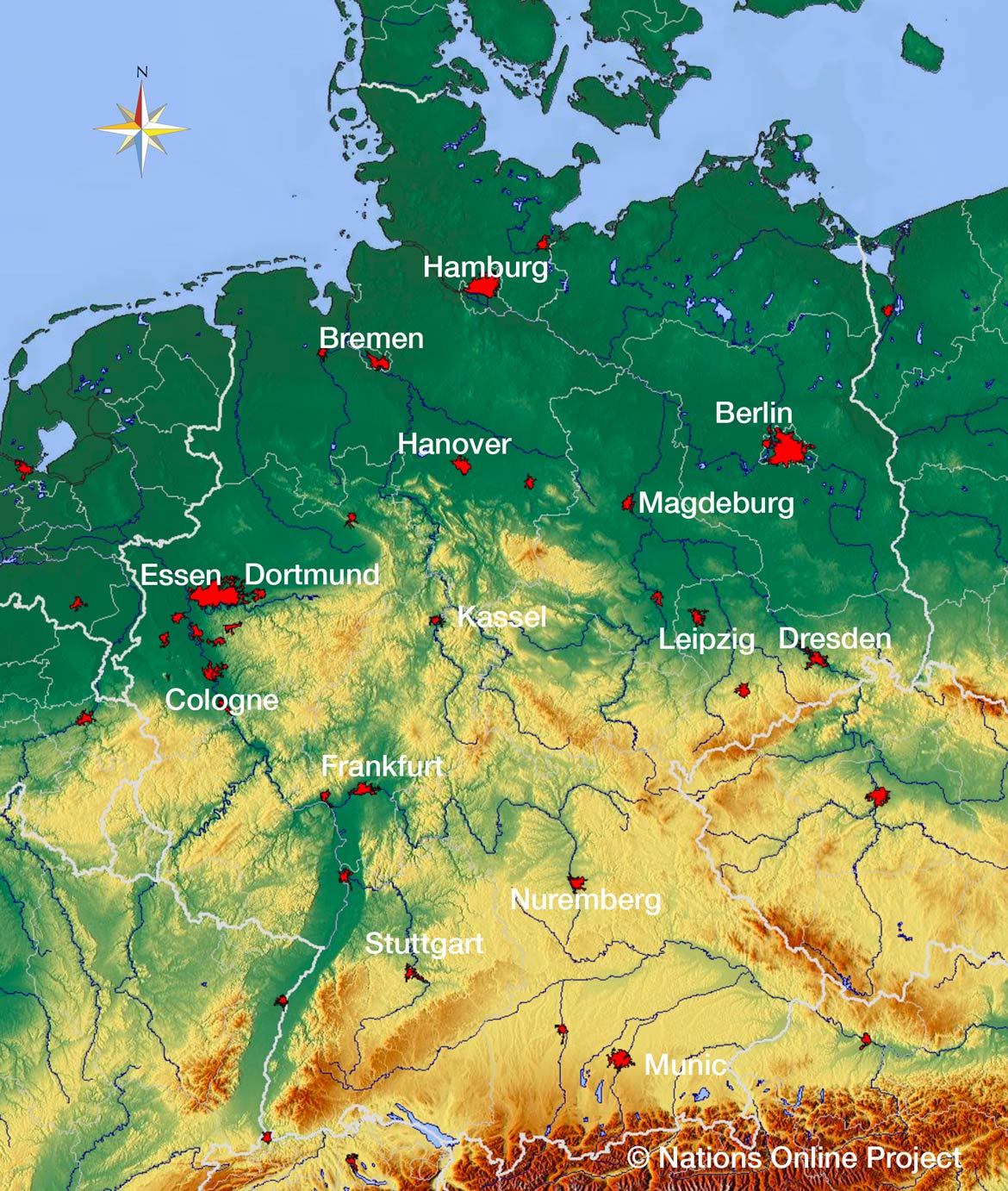
Germany isn’t a monolith. From the Alpine peaks of Bavaria to the wind‑swept coasts of Schleswig‑Holstein, the diversity is palpable. Understanding the distinct character of each state helps you avoid the “one‑size‑fits‑all” itinerary that many tourists fall into. It also lets you tailor your trip to your interests—whether you’re chasing medieval castles, world‑class museums, or vibrant nightlife.
Getting Around: Transportation Basics
The country’s rail network, operated mainly by Deutsche Bahn, links almost every major city and many smaller towns. A German Rail Pass can be a cost‑effective way to hop between states, especially if you plan to travel frequently. For more flexibility, consider renting a car; the Autobahn system makes long drives surprisingly quick, and many provinces have scenic routes that aren’t reachable by train.
Budget travelers will appreciate regional tickets like the Länder‑Ticket, which offers unlimited travel on regional trains within a specific state for a day. It’s perfect for exploring the countryside without breaking the bank.
A Quick Look at All 16 States
Here’s a snapshot of each province, paired with one highlight that captures its spirit. Use this as a starting point for deeper research.
- Baden‑Württemberg – Home to the Black Forest (Schwarzwald) and the automotive heritage of Stuttgart.
- Bavaria (Bayern) – Iconic for Oktoberfest, Neuschwanstein Castle, and the Alpine scenery of Garmisch‑Partenkirchen.
- Berlin – The nation’s capital, a city‑state brimming with museums, street art, and a buzzing tech scene.
- Brandenburg – Surrounds Berlin; its lakes and the historic Sanssouci Palace near Potsdam are must‑sees.
- Bremen – A tiny state comprised of the cities of Bremen and Bremerhaven, known for its maritime museums.
- Hamburg – Germany’s second‑largest city, famous for its port, the Elbphilharmonie, and lively St. Pauli district.
- Hesse (Hessen) – Frankfurt’s skyline dominates, while the Rhine Valley offers picturesque vineyards.
- Mecklenburg‑Western Pomerania (Mecklenburg‑Vorpommern) – Pristine Baltic Sea beaches and the historic Hanseatic towns of Rostock and Stralsund.
- Lower Saxony (Niedersachsen) – The Harz mountains, the horse‑famed town of Hannover, and the historic city of Göttingen.
- North Rhine‑Westphalia (Nordrhein‑Westfalen) – Dense urban culture in Cologne, Düsseldorf, and the industrial Ruhr area.
- Rhineland‑Palatinate (Rheinland‑Pfalz) – Wine routes along the Moselle and the romantic castle of Trifels.
- Saarland – Small but rich in French‑German fusion cuisine and the Saar River’s scenic trails.
- Saxony (Sachsen) – Dresden’s baroque splendor and Leipzig’s musical legacy.
- Saxony‑Anhalt (Sachsen‑Anhalt) – Medieval towns like Quedlinburg and the UNESCO‑listed Bauhaus sites in Dessau.
- Schleswig‑Holstein – The North Sea’s iconic islands of Sylt and Föhr, plus the Viking museum in Haithabu.
- Thuringia (Thüringen) – The “green heart” of Germany, known for the Wartburg Castle and the city of Erfurt.
Regional Travel Tips: From North to South
North Germany (Schleswig‑Holstein, Hamburg, Lower Saxony, Mecklenburg‑Western Pomerania)
Expect maritime weather—windy days are common, so pack a waterproof jacket. The North German Plain is flat, making cycling a popular way to explore coastal towns. Don’t miss fresh seafood, especially smoked herring in Hamburg’s fish market.
East Germany (Brandenburg, Saxony, Saxony‑Anhalt, Thuringia)
Historical sites abound, from the remnants of the Berlin Wall to the Baroque palaces of Dresden. Public transport is well‑connected, but renting a car can open up less‑touristy villages where traditional crafts survive.
West Germany (North Rhine‑Westphalia, Hesse, Rhineland‑Palatinate, Saarland)
The western states blend industrial heritage with lush vineyards. In the Rhine Valley, consider a river cruise to see castles perched on cliffs. The region’s cuisine leans heavily on hearty meat dishes—try the “Rheinischer Sauerbraten.”
South Germany (Baden‑Württemberg, Bavaria)
Mountains dominate the south, so bring sturdy shoes for Alpine hikes. Bavarian festivals, especially in Munich, are world‑renowned, but smaller towns like Rothenburg ob der Tauber offer a more intimate medieval experience. Don’t overlook the Black Forest’s famed cuckoo clocks and cherry cake.
Practical Advice for First‑Time Visitors
1. Language: While German is the official language, many locals in tourist areas speak English. Learning a few basic phrases—“Bitte,” “Danke,” and “Wo ist…?”—goes a long way.
2. Currency: Germany uses the Euro. Credit cards are accepted in larger cities, but cash remains king in smaller towns and markets.
3. Timing: Summer (June‑August) offers pleasant weather but also crowds. Late spring (May) and early autumn (September) strike a balance between good weather and fewer tourists.
4. Accommodations: From boutique hotels in Berlin to family‑run guesthouses (Gastfamilien) in the countryside, booking early during festivals (e.g., Oktoberfest) is essential.
FAQ
What’s the best way to travel between the German states?
For most travelers, the train network is the fastest and most eco‑friendly option. A regional ticket works well for short hops, while the German Rail Pass offers flexibility for longer itineraries. If you crave scenic drives, rent a car and explore the country’s well‑maintained highways.
Do all states have their own distinct dialects?
Yes, German dialects vary noticeably. In Bavaria you’ll hear “Bairisch,” in the north “Plattdeutsch,” and in the east “Sächsisch.” Even if you don’t master them, recognizing a few key phrases can enrich your interactions.
Which province is ideal for a family vacation?
Families often love Baden‑Württemberg for its theme parks (like Europa‑Park) and the Black Forest’s gentle hiking trails. Schleswig‑Holstein’s beaches also provide safe, sandy play areas for children.
Are there any provinces that are particularly budget‑friendly?
Eastern states such as Saxony, Thuringia, and Brandenburg tend to have lower accommodation prices while still offering rich cultural experiences. Look for city‑center hostels or guesthouses to stretch your budget further.