How to Enjoy Disney Movies in Spanish: The Ultimate Guide
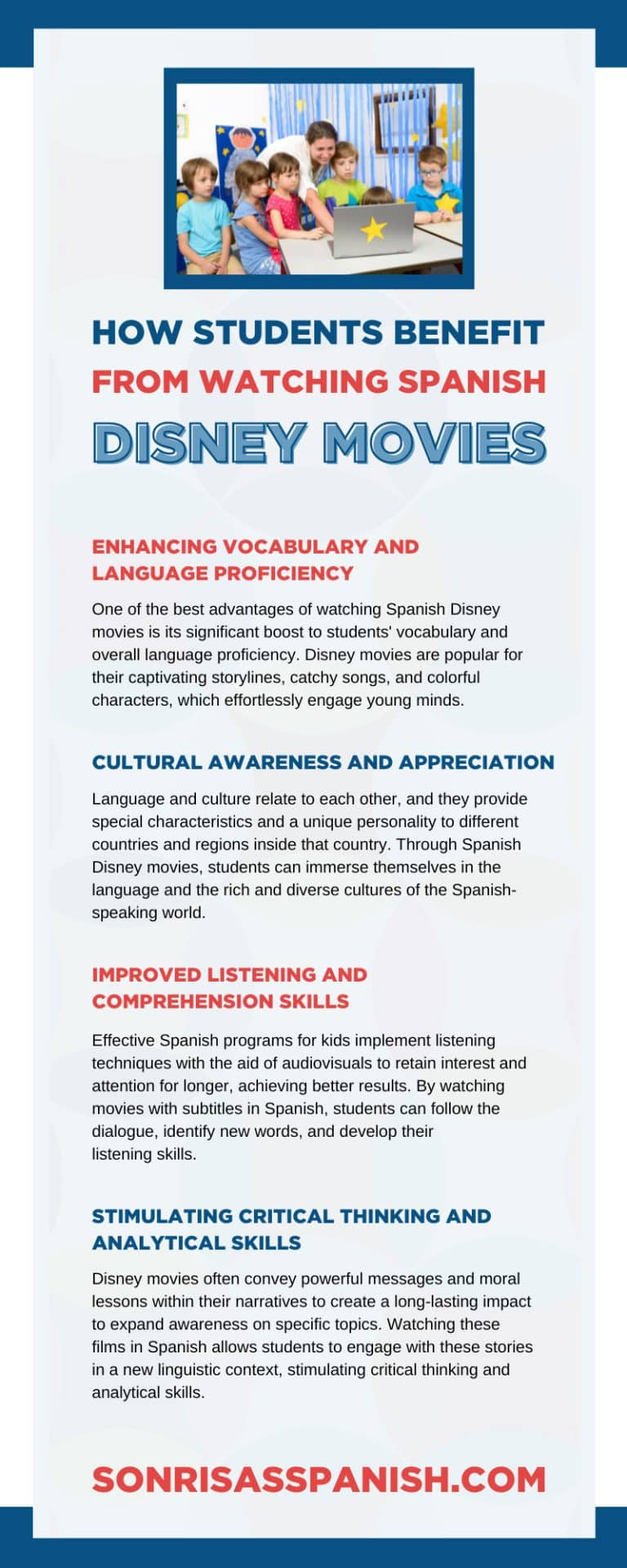
Whether you’re teaching a little one a new language or simply craving the nostalgic magic of a classic with a fresh twist, Disney movies in Spanish open a whole new world of storytelling. From the melodic charm of “La Bella y la Bestia” to the high‑energy rhythm of “Coco” (yes, it’s Disney‑Pixar), the options are richer than ever. This guide walks you through where to find them, how to pick the best version for your family, and a few insider tips to make the experience both fun and educational.
Finding Disney Movies in Spanish: Where to Start
Thanks to streaming wars and global licensing agreements, most of Disney’s catalog now offers Spanish audio tracks or subtitles. Here’s a quick rundown of the most reliable sources:
- Disney+ – The flagship platform provides a toggle for Spanish (Castellano) audio on almost every title, and many also include Latin American Spanish (Español Latino) as a separate option.
- Amazon Prime Video – Look for the “Audio: Spanish” badge on the movie’s detail page; a handful of older classics may need a separate purchase.
- Netflix – While not a Disney‑exclusive service, Netflix carries several Disney‑produced films (especially Pixar) with Spanish dubbing, often under “Idioma: Español”.
- Physical Media – Blu‑rays and DVDs released in North America frequently include Spanish tracks; the back cover will list “Audio Español” if available.
- Local Libraries & Schools – Many public libraries stock bilingual editions for educational use, and school media centers often have a curated selection for language classes.
Once you’ve pinpointed a platform, simply select “Español” from the audio menu before hitting play. If you’re unsure which version you’re hearing, the on‑screen language indicator (usually a small flag or text) will confirm it.
Why Watch Disney Films in Spanish?
Beyond the obvious fun factor, there are solid reasons to switch the language:
- Language Immersion – Kids absorb vocabulary faster when they associate new words with familiar characters and plots.
- Cultural Nuance – Spanish dubs often incorporate region‑specific jokes or idioms, giving a glimpse into how humor translates across cultures.
- Family Bonding – Watching together in a language you’re learning can spark spontaneous conversation, making the movie night both entertaining and educational.
Even for native Spanish speakers, the dubbed versions can feel surprisingly fresh, especially when a beloved song is performed by a local vocalist.
How to Choose the Right Version for Your Family
Not all Spanish dubs are created equal. Here are a few factors to consider before you press play:
Dialect Preference
If you’re based in Spain, you might prefer the “Castellano” track, which uses European pronunciation and some region‑specific slang. Latin American viewers usually gravitate toward “Español Latino,” which avoids the “vosotros” forms and includes more neutral vocabulary.
Age Appropriateness
Some dubs feature voice actors who are slightly older, giving a more mature tone. For toddlers, the classic “Disney Junior” versions often use brighter, more expressive voices that match the original English energy.
Song Quality
Musical numbers are a hallmark of Disney. While most dubs retain the original melody, the lyrical translation can vary. If you’re a karaoke fan, check YouTube for “Disney songs in Spanish” to compare which version sounds best before committing to a full movie.
Tips for Getting the Most Out of the Experience
Turning a regular movie night into a language‑learning adventure doesn’t have to be complicated. Here are some practical ideas:
- Pause for Vocabulary – When a new word appears, pause the scene, repeat the phrase, and ask everyone to guess the meaning before checking subtitles.
- Use Dual Subtitles – Many platforms let you display Spanish audio with English subtitles (or vice versa). This visual cue reinforces word‑sound connections.
- Sing Along – The Disney soundtrack is designed to be catchy. Encourage kids to sing the Spanish lyrics; the repetition helps cement pronunciation.
- Make It Interactive – Turn key moments into mini‑quizzes. “What does ‘héroe’ mean?” right after the hero saves the day.
- Celebrate the Culture – Pair the movie with a themed snack from a Spanish‑speaking country—think churros for “Coco” or empanadas for “El Rey León.”
These small tweaks turn passive viewing into an active learning session without sacrificing the fun factor.
Frequently Asked Questions
Q: Are all Disney movies available with Spanish audio?
A: The majority of Disney’s modern catalog—including Pixar and Marvel titles—offers Spanish tracks, but a few older classics may only have subtitles. Checking the language options before you rent or purchase saves time.
Q: How accurate are the Spanish translations?
A: Disney works with professional localization teams, so the translations are generally faithful to the original intent. Some cultural references are adapted to resonate better with Spanish‑speaking audiences, which can actually enhance comprehension.
Q: Can I switch between European and Latin American Spanish on Disney+?
A: Yes. Disney+ lists both “Castellano (España)” and “Español (Latinoamérica)” where available. Simply click the audio icon and select your preferred dialect.
Q: Is it better to use subtitles or full dubbing for beginners?
A: Full dubbing immerses the learner in the sound of the language, while subtitles provide visual reinforcement. Many educators recommend a hybrid approach—Spanish audio with English subtitles—until the learner gains confidence.