How to Diagnose and Fix 2018 Crosstrek Exhaust Manifold Issues
If you own a 2018 Crosstrek, you’ve probably heard the occasional rumble that doesn’t sound quite right. That low‑frequency clatter is often the first clue that the exhaust manifold is on the fritz. Understanding the typical symptoms, why the problem occurs, and what you can realistically do about it can save you time, money, and a lot of frustration.
2018 Crosstrek Exhaust Manifold Troubles: What They Look Like
Owners report a handful of tell‑tale signs that point straight at the manifold:
- Rattling or metallic knocking, especially when the engine is cold.
- Visible cracks or soot buildup around the manifold seams.
- Reduced fuel efficiency and a noticeable drop in power.
- Engine warning lights that appear without an obvious cause.
These cues often emerge after the vehicle has logged around 30,000 to 50,000 miles, but mileage isn’t the only factor. Temperature swings and aggressive driving can accelerate wear.
Why the 2018 Crosstrek Manifold Cracks
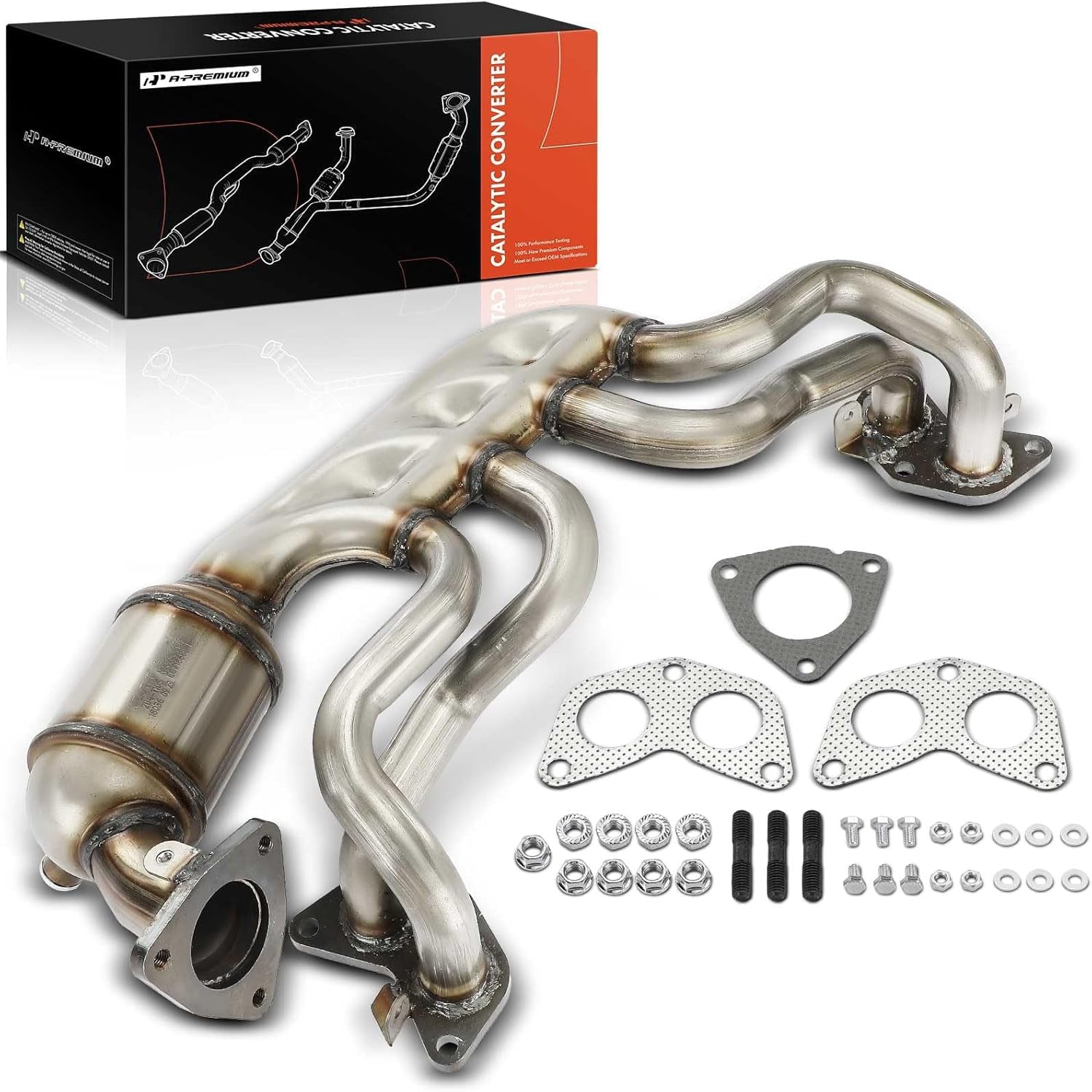
The Subaru Crosstrek’s 2.0‑liter Boxer engine uses a cast‑iron exhaust manifold that sits directly on the cylinder heads. Two primary culprits tend to undermine its integrity:
- Thermal Cycling: Repeated heating and cooling cause the metal to expand and contract. Over time, small stress points develop and eventually split.
- Vibration Fatigue: The boxer layout creates a unique vibration pattern. If the manifold bolts aren’t torqued to spec, the constant shaking can loosen the joints.
In some cases, factory‑level casting defects leave microscopic porosity that later manifests as cracks under normal operating conditions.
DIY Inspection and Repair Steps
Before you call a shop, you can run a quick visual and tactile check. Here’s a straightforward approach:
- Warm‑up the engine: Let the Crosstrek idle for a few minutes so the exhaust system reaches normal temperature. This makes any leaks easier to spot.
- Listen for noises: With the hood open, rev the engine to about 2,500 RPM. A sharp rattle often signals a cracked flange.
- Inspect the manifold: Use a flashlight to look for black soot patterns or white ash deposits—both indicate exhaust gases escaping.
- Feel for cracks: Gently run a wooden stick along the seams. A “click” or resistance suggests a fracture.
- Check the bolts: Using a torque wrench, verify that all manifold bolts meet Subaru’s recommended torque (usually around 30‑35 Nm). Retighten if needed.
- Replace if necessary: If you find a crack, the safest route is to swap the manifold. While the part isn’t prohibitively expensive, proper gasket placement and bolt sequencing are critical.
Remember, the exhaust manifold sits near the engine’s hottest components. Always wear heat‑resistant gloves and let the vehicle cool down before handling.
When to Call a Professional
Even the most diligent DIYer hits a wall when the damage extends beyond a simple crack. Consider professional help if you encounter any of the following:
- Multiple cracks or a fractured flange that would require welding.
- Corrosion that has eaten through the metal, compromising structural integrity.
- Persistent check‑engine lights after tightening bolts.
- Lack of the proper tools, such as a calibrated torque wrench or a manifold‑specific bolt‑torque sequence chart.
A certified Subaru technician can also perform a leak‑down test, which pinpoints exhaust leaks that are invisible to the naked eye.
Preventive Care Tips
Keeping the manifold healthy is largely about managing heat and vibration:
- Schedule regular oil changes; fresh oil helps maintain proper engine temperature.
- Avoid short trips that don’t allow the exhaust to reach full operating temperature—this reduces thermal stress.
- Install a high‑quality manifold gasket when replacing the part; cheap gaskets can shrink and cause leaks.
- Periodically check the manifold bolts during routine service intervals.
These habits may not guarantee a crack‑free manifold forever, but they can certainly delay the inevitable.
Frequently Asked Questions
Will a cracked exhaust manifold cause engine damage?
Yes, a severe crack can let hot exhaust gases enter the engine bay, potentially damaging wiring, plastic components, or even the catalytic converter over time.
Can I replace the manifold myself, or should I hire a shop?
If you have basic hand tools, a torque wrench, and feel comfortable working around the engine, a replacement is doable. However, the job involves precise bolt sequencing, so many owners prefer a professional to avoid costly mistakes.
How much does a replacement typically cost?
Parts alone run between $150 and $250 for a genuine Subaru manifold. Labor can add another $300 to $500, depending on local rates and whether any ancillary components need removal.
Is there a warranty on aftermarket manifolds?
Most reputable aftermarket brands offer a limited warranty—usually one to three years or a mileage cap. Always read the fine print before purchasing.