How to Compare Fleet Vehicle Insurance and Cut Costs
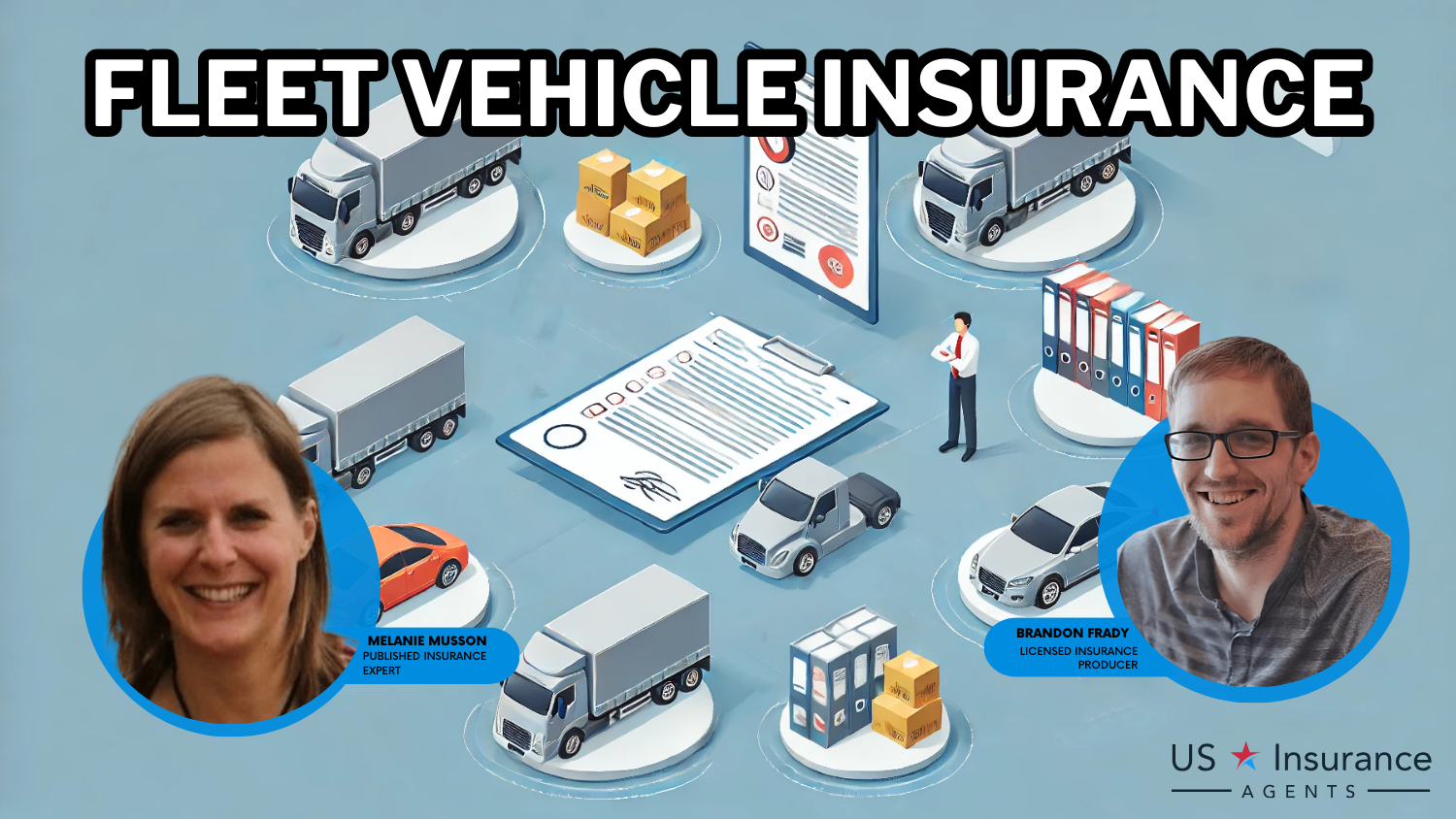
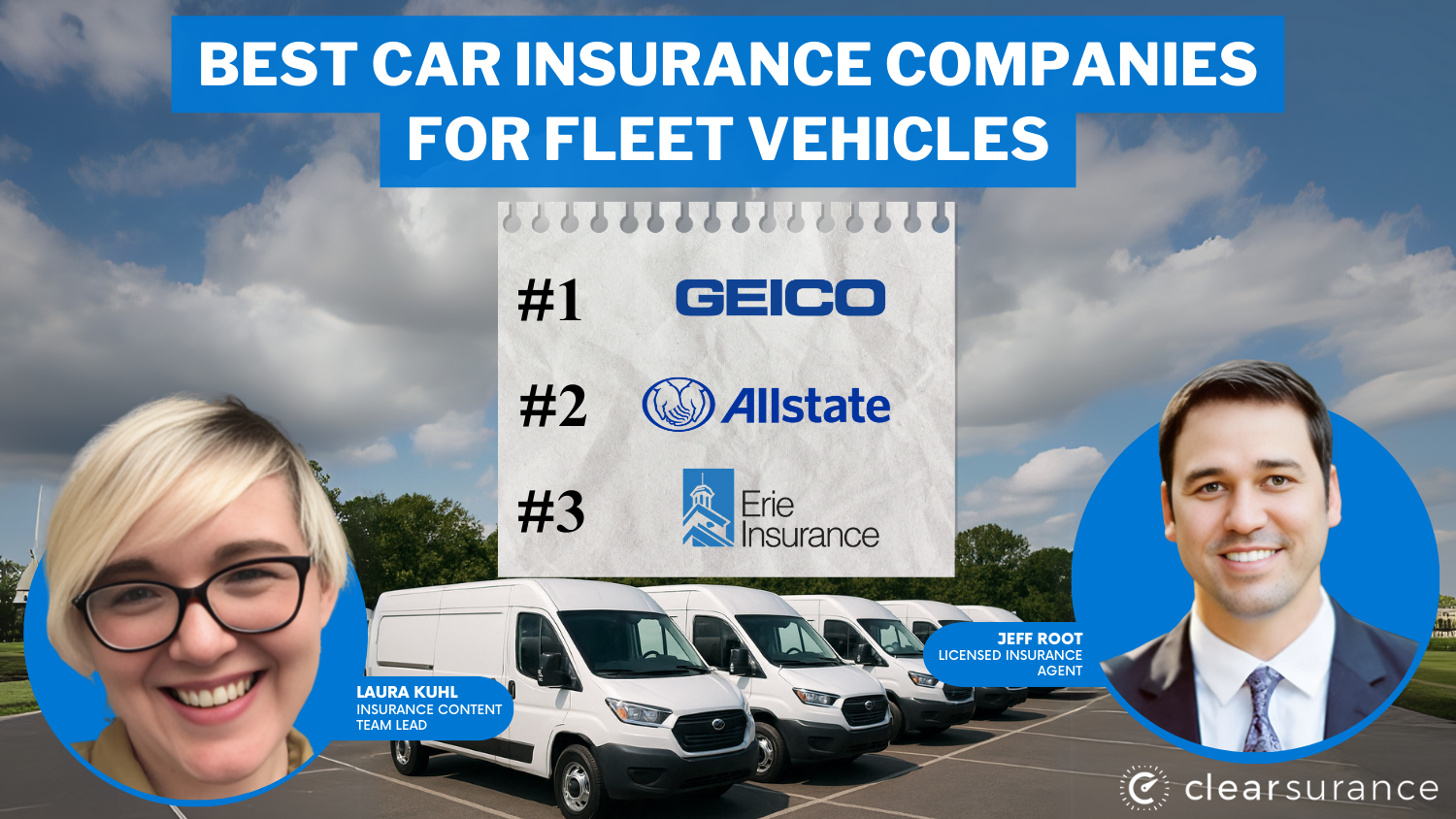
Running a fleet—whether it’s a handful of delivery vans or a fleet of heavy‑duty trucks—means juggling many moving parts. One of the most significant expenses is the insurance premium, yet it’s also the area where savvy comparisons can yield the biggest savings. Below is a practical guide that walks you through the process of comparing fleet vehicle insurance so you can keep your trucks on the road without breaking the bank.
Why Comparing Fleet Vehicle Insurance Matters
Insurance for a fleet isn’t just a bulk‑discounted version of a personal policy. Each vehicle, driver, and usage pattern adds layers of risk that insurers evaluate differently. Because of that, two quotes that look similar on paper can diverge dramatically once you factor in coverage limits, deductibles, and optional add‑ons. By taking the time to compare, you can:
- Identify hidden fees or unnecessary coverage.
- Leverage your fleet’s safety record for discounts.
- Choose a provider that aligns with your business’s service expectations.
Key Factors to Evaluate When Shopping Around
Not every insurance quote is created equal. Here are the criteria that should sit at the top of your checklist:
- Coverage Scope – Does the policy protect against collision, comprehensive loss, liability, and cargo damage? Make sure you’re not paying for coverage you’ll never use.
- Deductible Options – Higher deductibles can lower premiums, but only if you have the cash flow to cover a larger out‑of‑pocket expense after a claim.
- Driver Management Tools – Some insurers offer telematics or driver‑monitoring apps that can reduce rates if you demonstrate safe driving habits.
- Discount Eligibility – Look for multi‑vehicle discounts, good‑driver rewards, low‑mileage credits, and bundling opportunities with other business policies.
- Claims Process – A streamlined, digital claims portal can save you time and frustration when accidents happen.
Tools and Resources for a Side‑by‑Side Comparison
Doing the legwork yourself doesn’t have to be a nightmare. Several online platforms let you input your fleet details and receive multiple quotes in minutes. When using these tools, keep these tips in mind:
- Enter the exact same information for each request—vehicle type, usage mileage, driver ages, and any safety equipment.
- Download the full quote PDF so you can compare policy wordings line by line.
- Take note of the insurer’s financial strength rating (A‑M, S&P, etc.) to ensure they can pay out large claims.
In addition to digital aggregators, don’t overlook the value of a dedicated insurance broker who specializes in commercial fleets. A broker can often negotiate better terms, especially if you have a long‑standing relationship with a carrier.
Practical Tips to Trim Your Fleet Insurance Bill
Even after you’ve found the most competitive quote, there are still ways to shave off extra dollars:
- Implement a driver safety program. Regular training and incentives for low‑incident driving can unlock further discounts.
- Upgrade to newer vehicles. Modern trucks often come equipped with advanced safety tech that insurers reward.
- Review coverage annually. Business needs evolve, and a policy that was perfect last year may now include redundant protections.
- Consider a higher deductible. If your company can absorb a larger expense after an accident, the premium reduction can be substantial.
Common Pitfalls to Avoid
While the urge to chase the lowest price is understandable, cutting corners can backfire. Beware of these red flags:
- Policies that exclude “named driver” coverage—leaving you vulnerable if an unlisted driver takes the wheel.
- Insurers that require a “no‑claims” history for the entire fleet, which can be unrealistic for newer businesses.
- Hidden administrative fees that appear only after the policy is signed.
Take a moment to read the fine print and ask the provider to clarify any ambiguous language before you commit.
FAQ
What is the average cost per vehicle for fleet insurance?
Costs vary widely based on vehicle type, location, and driver experience, but many small to midsize fleets report paying between $1,200 and $2,500 per vehicle annually for a comprehensive policy.
Can telematics really lower my premiums?
Yes. Insurers that use telematics data often offer discounts of 5‑15% for fleets that demonstrate consistent safe‑driving metrics such as low harsh braking and steady speed.
Do I need separate policies for each type of vehicle?
Not necessarily. Most carriers provide a single, umbrella policy that covers all vehicles, though you can add specific endorsements for high‑value trucks or specialized equipment.
How often should I revisit my fleet insurance coverage?
At a minimum, review your policy annually or whenever you add or retire vehicles, change driver rosters, or experience a significant shift in mileage patterns.