How to Close an SBI Home Loan: Complete Step‑by‑Step Guide
Finishing a home loan with the State Bank of India (SBI) can feel like navigating a maze, especially if you’re not familiar with the bank’s procedures. Whether you’re moving to a new property, refinancing, or simply clearing the debt early, understanding each requirement can save you time and avoid unexpected fees. Below is a practical, step‑by‑step guide that walks you through the entire closure process, from gathering documents to receiving the final “no‑objection” certificate.
Understanding the Closure Process
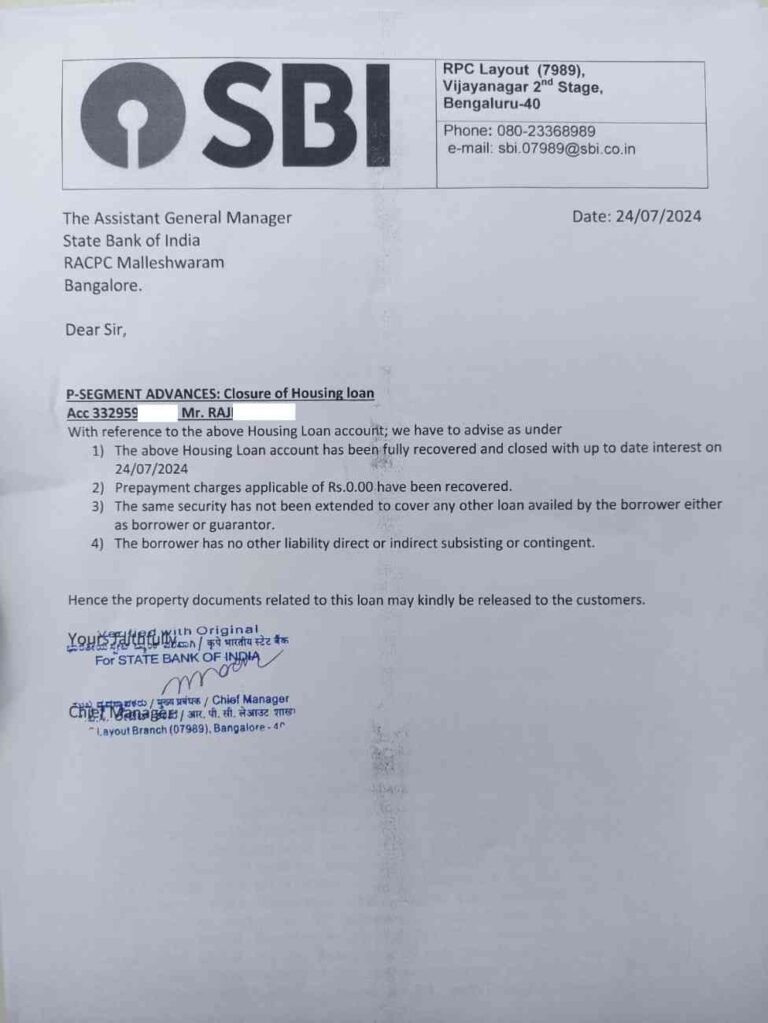
SBI treats loan closure as a formal settlement of the outstanding principal, accrued interest, and any applicable pre‑payment penalties. The bank will issue a “No Dues Certificate” (NDC) once all amounts are cleared, which you’ll need for the land registry and future financial transactions. Knowing the sequence of actions helps you coordinate with the bank, your lender’s officer, and any third‑party agents involved.
Step 1: Verify the Outstanding Balance
Before you initiate any paperwork, request a detailed statement of your loan account. This statement should break down:
- Remaining principal
- Accrued interest up to the intended settlement date
- Any pre‑payment charges specified in your loan agreement
- Outstanding processing fees or insurance premiums
Most borrowers find it helpful to compare the figure with their own amortization schedule; discrepancies can be cleared up early, preventing delays later.
Step 2: Decide on the Payment Method
SBI accepts several modes for the final settlement:
- Electronic Fund Transfer (EFT): Directly from your bank account to SBI’s designated settlement account.
- Cheque: A crossed cheque in favor of “SBI – [Branch Name]”. Make sure the cheque is post‑dated for the settlement date.
- Cash: Only for amounts below the branch’s cash handling limit and with proper receipt documentation.
Electronic transfers are usually the quickest, as the bank can verify receipt instantly and move on to issuing the NDC.
Step 3: Obtain the Pre‑Closure Application Form
The pre‑closure form is a simple one‑page document that captures your loan details and the intended settlement amount. You can collect it from:
- Your home branch’s loan officer desk
- SBI’s official website (downloadable PDF)
- Through the YONO app under the “Loan Services” section
Fill out the form accurately, sign where required, and keep a copy for your records.
Step 4: Submit Supporting Documents
Along with the completed form, SBI typically asks for:
- Original loan agreement
- Latest loan statement showing the outstanding balance
- Identity proof (Aadhaar, PAN, or passport)
- Address proof (utility bill, rent agreement, etc.)
- Proof of payment method (cheque copy, EFT confirmation screen)
Submitting a complete package reduces the back‑and‑forth that often stalls the closure.
Step 5: Pay the Settlement Amount
Once the bank confirms the exact figure, make the payment using your chosen method. If you’re paying by cheque, ask the bank to stamp it as “Paid” after receipt. For EFT, retain the transaction reference number; you’ll need it when requesting the NDC.
Step 6: Request the No Dues Certificate (NDC)
After the settlement is cleared, submit a formal request for the NDC. This can be done in person or via the YONO app under “Request NDC”. The bank usually issues the certificate within 3‑5 working days, but you can expedite it by paying a nominal processing fee.
Step 7: Update the Property Registry
The NDC is a key document for the local sub‑registrar’s office. Present it along with the original loan agreement (marked “Closed”) to remove SBI’s lien on the property. The registrar will then update the title deed, confirming you are the sole owner.
Common Pitfalls to Avoid
Even with a clear roadmap, borrowers sometimes stumble over small details:
- Ignoring pre‑payment penalties: Some SBI loan contracts levy a charge of up to 2% of the outstanding principal for early settlement. Check your agreement to budget correctly.
- Delaying NDC collection: The certificate can expire after a certain period, requiring a fresh request. Schedule it soon after payment.
- Missing signatures: Incomplete forms or unsigned documents can cause the bank to reject your application outright.
What Happens to Your Home Insurance?
If you had a mortgage‑linked insurance policy, inform the insurer about the loan closure. They’ll either cancel the policy or adjust it to a standard homeowner’s insurance, depending on your preference. Keep the cancellation confirmation for future reference.
FAQ
Can I close an SBI home loan before the stipulated pre‑payment period?
Yes, but you may incur a pre‑payment penalty as outlined in your loan agreement. The charge typically ranges from 1% to 2% of the remaining principal, though some promotional loans waive it.
Do I need a lawyer to obtain the No Dues Certificate?
No, a lawyer isn’t mandatory. The NDC is issued directly by SBI once the settlement is confirmed. However, if you’re uncomfortable handling the paperwork yourself, a legal professional can help ensure all documents are correctly filed with the property registry.
Is there any benefit to paying off the loan early?
Closing early reduces the total interest you’ll pay over the loan’s life and frees up any collateral tied to the property. It also improves your credit profile, showing lenders that you can manage large debts responsibly.
What if I have a joint borrower on the loan?
All co‑borrowers must sign the pre‑closure form and any related documents. The NDC will list all parties, confirming that the loan is settled for each of them.