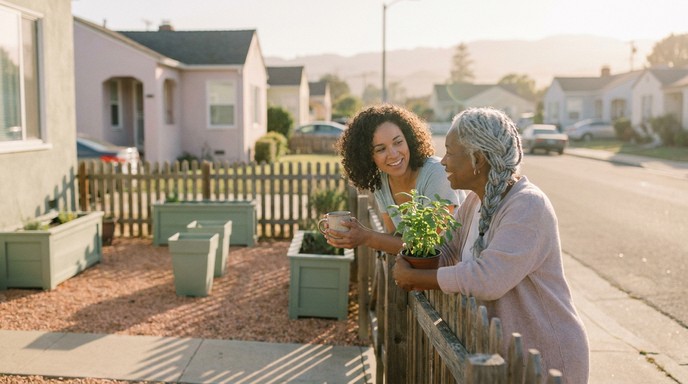
How to Build a Real Neighborly Connection
When we talk about a neighborly connection, we’re not just referring to a casual “hello” at the mailbox. It’s a deeper bond that can turn a quiet street into a vibrant, supportive community. In this guide we’ll explore practical ways to nurture those ties, from everyday gestures to organized events, so you can experience the full benefit of living close to people who care.
What Makes a Neighborly Connection Authentic?
A genuine neighborly connection feels reciprocal, respectful, and rooted in shared experience. It’s more than occasional hand‑shakes; it’s a network that offers help, celebrates milestones, and provides a sense of belonging. Key elements include:
- Mutual Trust – Knowing neighbors are reliable and respectful of boundaries.
- Shared Activities – From gardening to potlucks, common pursuits strengthen ties.
- Communication – Regular, open dialogue keeps the community informed and connected.
- Supportive Actions – Small gestures during tough times can create lasting goodwill.
Start With Simple Daily Interactions
It often takes just one small act to spark a lasting connection. Consider these everyday opportunities:
- Say hello on your walk. A brief “good morning” can open the door to conversation.
- Leave a note or a small treat. A handwritten thank‑you or a box of cookies shows appreciation.
- Offer help. A neighbor might need a hand with groceries or lawn maintenance.
These moments, repeated consistently, lay the groundwork for deeper engagement.
Community Corner: The Role of Shared Spaces
Public areas—like a local park, a courtyard, or a community garden—serve as natural gathering spots. By actively participating in the upkeep or events of these spaces, you demonstrate commitment to the collective well‑being.
Ideas for engagement:
- Organize a cleanup day.
- Start a potting club that shares plants and tips.
- Host a monthly movie night in the community hall.
These activities create recurring touchpoints that reinforce bonds.
Leverage Technology Without Losing Touch
Modern tools can help neighbors stay connected, but the goal is to keep interactions personal. Try the following digital approaches:
- Create a private neighborhood group on a social platform where residents can post events, needs, or shout‑outs.
- Use a shared calendar for community activities.
- Set up a simple email list for urgent updates.
Remember, the message should feel handwritten, even if delivered digitally.
Neighborhood Watch and Safety Initiatives
Collaborating on safety projects strengthens trust. By participating in neighborhood watch programs, residents show a collective commitment to well‑being.
Key actions:
- Attend local council meetings to discuss safety concerns.
- Schedule regular patrols with volunteer groups.
- Install neighborhood lighting or security cameras in common areas.
Such efforts demonstrate that everyone cares about each other’s safety.
Celebrate Milestones Together
Turning individual celebrations into community events amplifies joy and builds reciprocity. Whether it’s a birthday, a holiday, or a local festival, consider inviting neighbors to join.
- Host a block holiday party.
- Organize a potluck for a resident’s anniversary.
- Set up a “welcome” gathering for new neighbors.
These gatherings become traditions that people look forward to, further cementing the neighborly connection.
Volunteer Opportunities to Strengthen Bonds
Working side by side on a common cause brings people closer. Identify local charities or community projects where neighbors can contribute time and skills.
Possible projects include:
- Food bank drives.
- Mentorship for local youth.
- Recycling or environmental clean‑ups.
Shared purpose provides a strong emotional anchor.
Maintain Boundaries While Staying Connected
Strong neighborly connections respect personal space and privacy. Striking the right balance is essential:
- Keep conversations respectful and avoid intrusive topics.
- Respect quiet hours and property rights.
- Offer help without imposing or expecting reciprocity.
When everyone feels comfortable, the community thrives.
Conflict Resolution in Close Communities
Disagreements are inevitable. Addressing them constructively preserves relationships.
- Schedule a calm discussion before emotions rise.
- Listen actively and acknowledge the other person’s perspective.
- Seek a compromise that satisfies both parties.
Open, honest dialogue prevents resentment from eroding trust.
Why Neighborly Connections Matter
Research suggests that strong social ties improve mental health, reduce stress, and even increase longevity. In tight-knit neighborhoods, residents often experience:
- Higher safety and lower crime rates.
- Greater sense of belonging and self‑esteem.
- Improved access to informal support during emergencies.
Investing time in building neighborly relationships pays dividends for everyone.
Creating a Sustainable Culture
Once a culture of openness and cooperation is established, it tends to self‑reinforce. New residents are welcomed, regular events become expected, and a sense of community persists across generations.
To sustain this, keep the momentum by:
- Rotating leadership roles in community initiatives.
- Encouraging feedback and suggestions from all neighbors.
- Celebrating milestones together on a regular basis.
In time, the neighborly connection becomes part of the neighborhood’s identity.
Getting Started: A Simple Action Plan
- Introduce Yourself. Find a convenient moment to say hello and share a bit about yourself.
- Offer a Small Favor. Help with groceries, a yard task, or a quick repair.
- Attend a Local Event. Join a community gathering or volunteer activity.
- Follow Up. Keep the conversation going with a quick message or another visit.
Repeating these steps will steadily build a robust neighborly network.
FAQs About Building a Real Neighborly Connection
- Can I start a neighborhood group if I’m shy? Yes—begin with one or two trusted neighbors, then invite others as comfort grows.
- What if neighbors are not interested? Focus on those who respond positively; building a core group can lead to broader participation over time.
- Is it necessary to organize events? Not always. Even casual visits or shared chores contribute