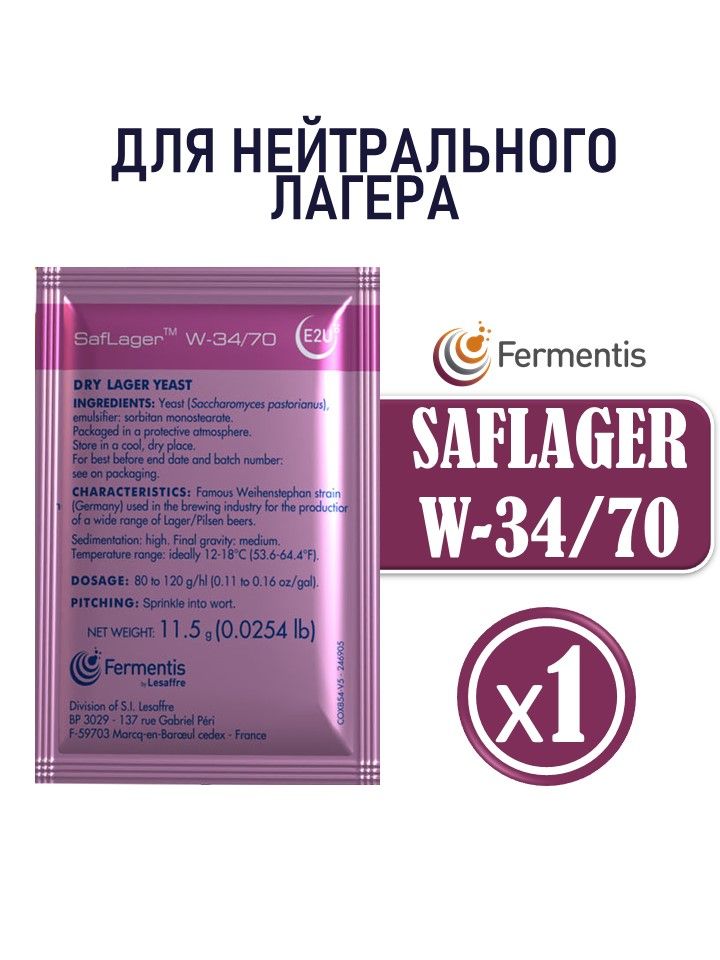
How to Brew Lager Mastery with Fermentis Saflager W34/70
For homebrewers chasing that crisp, clean finish you expect from a classic lager, the yeast you choose can make or break the batch. Fermentis Saflager W34/70 is a popular option because it combines the reliability of a dry yeast with the character of a traditional lager strain. In this guide we’ll walk through the steps that turn a basic wort into a glass of liquid gold, from yeast rehydration to final carbonation.
What Sets Saflager W34/70 Apart
Saflager W34/70 is a dry yeast derived from the classic German lager strain W34/70, known for its clean profile and moderate attenuation (around 75%). Unlike liquid yeasts, the dry format is more shelf‑stable and easier to store, which means you can keep a pack on hand for spontaneous brewing sessions. The strain produces subtle fruity esters—often described as a faint banana or apple note—while still delivering that hallmark lager crispness. Its relatively low flocculation (medium) helps retain a fuller body, making it a versatile choice for everything from Pilsners to amber lagers.
Preparing Your Yeast for Success
Even though Saflager W34/70 can be pitched directly into the fermenter, a quick rehydration step dramatically improves viability. Start by heating a small amount of sterile, dechlorinated water to about 35 °C (95 °F). Sprinkle the yeast packet into the water, stir gently, and let it sit for 10–15 minutes. This “wake‑up” period lets the cells recover from drying and begin metabolic activity before they meet the wort.
Once rehydrated, give the yeast a brief shake to keep the cells suspended, then pour it into a well‑oxygenated, cooled wort. Oxygen is essential for healthy yeast reproduction, especially for lagers that work best in cooler environments.
Fermentation Temperature: The Sweet Spot
Lager yeasts thrive between 10 °C and 13 °C (50 °F–55 °F). Keeping the temperature within this range encourages the production of clean flavors while suppressing unwanted phenols. If you’re new to lagering, consider using a temperature‑controlled fermenter or a simple fridge‑style setup with a thermostat. A sudden temperature spike can cause the yeast to stress, leading to off‑flavors like acetaldehyde (green‑apple) or diacetyl (buttery).
It’s common practice to start the primary fermentation at the higher end of the range—around 13 °C—then gradually lower it over several days to about 10 °C. This “temperature ramp” helps the yeast finish cleanly while still allowing a modest ester formation that adds character.
Managing Fermentation Time and Flocculation
Saflager W34/70 typically finishes primary fermentation in 7‑10 days, though you should always confirm by checking the specific gravity. Because the strain flocculates medium‑to‑high, the yeast will settle out relatively quickly, leaving a clear beer ready for the next stage. If you notice residual sugars after the expected period, give the fermenter a gentle swirl to resuspend the yeast and extend the fermentation by a day or two.
Many brewers perform a short “diacetyl rest” by raising the temperature to 15 °C (59 °F) for 24‑48 hours after primary fermentation appears complete. This allows the yeast to re‑absorb any diacetyl produced earlier, resulting in a cleaner finish.
Finishing Touches: Conditioning and Carbonation
After primary fermentation, transfer the beer to a secondary vessel or directly to bottles/kegs for lagering. A cold storage period of 4‑6 weeks at 0 °C–2 °C (32 °F–36°F) smooths out any harsh edges and promotes a silky mouthfeel. During this time, the yeast continues to clean up minor off‑flavors, and the protein complexes settle out, giving you that crystal‑clear appearance.
When it comes to carbonation, aim for 2.5 volumes of CO₂ for a typical German lager. If you’re bottling, calculate the appropriate amount of priming sugar based on the final gravity; for kegging, use a CO₂ regulator set to the target pressure. A gentle carbonation will enhance the perception of crispness without masking the subtle malt and hop nuances.
Common Pitfalls and How to Avoid Them
- Skipping rehydration: Direct pitching can lead to slower start‑up and higher risk of stalled fermentation.
- Temperature swings: Even a few degrees off can produce unwanted esters or phenols. Use a reliable thermometer.
- Insufficient oxygen: Without proper aeration, yeast may struggle to reproduce, leading to thin body and off‑flavors.
- Rushing lagering: Patience is key; a short lager period often leaves a harsh finish.
FAQ
What temperature range is ideal for Fermentis Saflager W34/70?
The strain performs best between 10 °C and 13 °C (50 °F–55 °F), with a brief diacetyl rest at around 15 °C if needed.
Can I use Saflager W34/70 for ale recipes?
While technically possible, the yeast prefers cooler temperatures and will produce a cleaner profile than typical ale yeasts, so it’s not the optimal choice for hop‑forward ales.
How long should I lager my beer for maximum clarity?
A minimum of four weeks at near‑freezing temperatures usually yields good clarity, though six weeks is often recommended for a truly polished lager.
Do I need to add nutrients when using this dry yeast?
Generally no; Saflager W34/70 contains sufficient nutrients for most standard malt bills, but a small yeast nutrient boost can help in high‑gravity worts.