How to Become an Airport Ramp Agent: Requirements & Career Path
What Does an Airport Ramp Agent Actually Do?
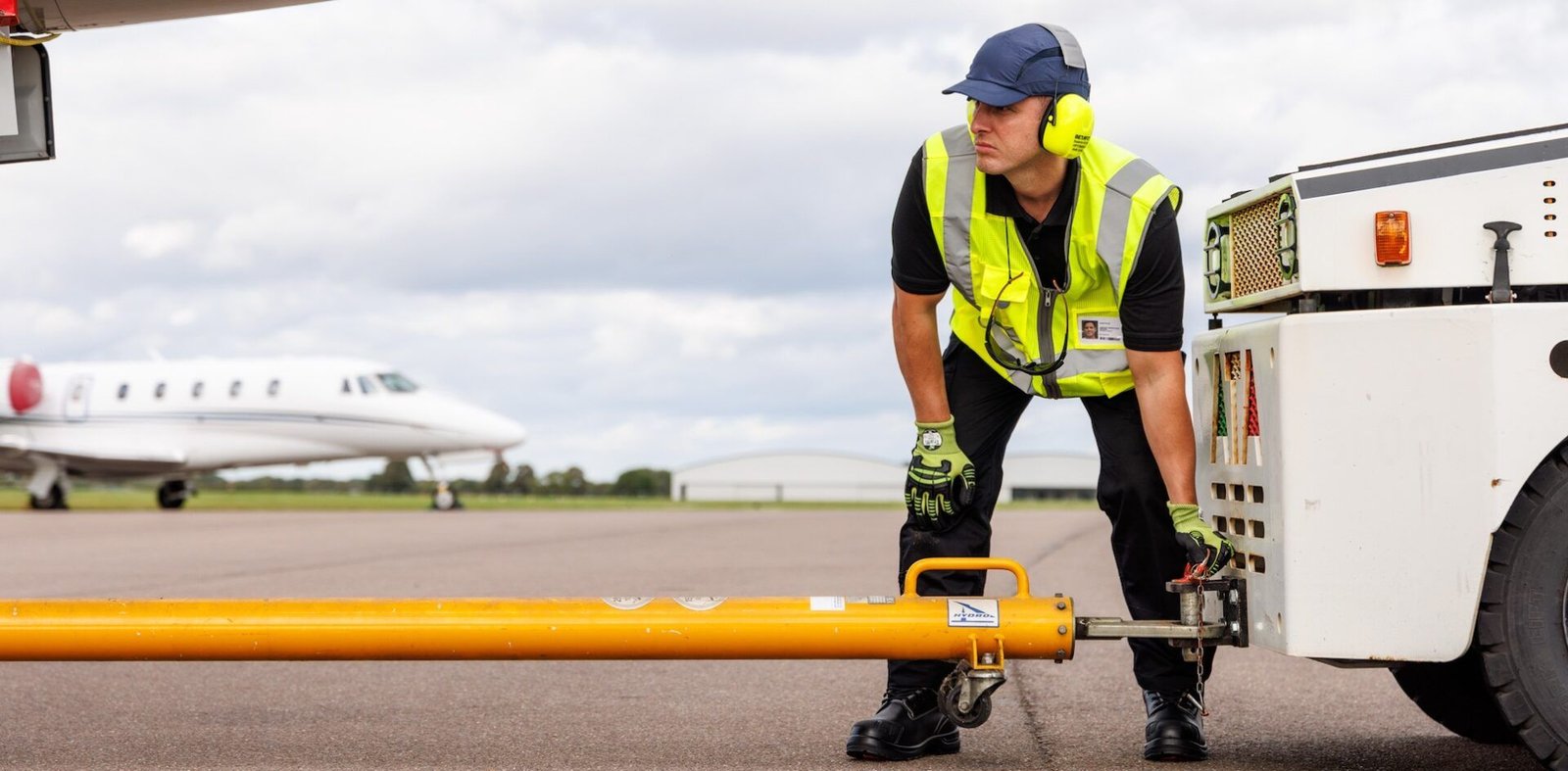
The term “ramp agent” might sound like a backstage role, but it’s the engine that keeps flights on schedule. From guiding aircraft to the gate, loading luggage, fueling, and performing safety checks, ramp agents handle the physical choreography that makes every departure possible. Their work is fast‑paced, often outdoors, and requires a blend of muscle memory, attention to detail, and a solid safety mindset.
Key Requirements for Getting Your Foot on the Ramp
Most airlines and ground‑handling companies share a core set of qualifications. While exact thresholds differ, the following are almost universal:
- Minimum age and legal eligibility. You must be at least 18 years old and able to pass a background check.
- High school diploma or GED. A basic education proves you can read safety manuals and follow written instructions.
- Physical fitness. The job involves lifting luggage up to 50 lb, operating pallet jacks, and standing for long periods in all weather.
- Clear vision and hearing. Safety relies on being able to spot hazards and hear radio commands.
- Valid driver’s license. Many ramp positions require you to operate airport vehicles, so a clean driving record is a plus.
- Flexibility with shifts. Flights operate around the clock, so you’ll likely work early mornings, nights, weekends, and holidays.
Beyond these basics, many employers value a good safety record from previous jobs—especially in construction, warehousing, or any role with heavy equipment.
Training on the Job: From Rookie to Reliable
Even if you meet the entry criteria, you won’t be sent straight to the tarmac without instruction. Most carriers offer an orientation that covers:
- Airport security protocols and TSA regulations.
- Proper use of ground support equipment (GSE) such as belt loaders, tow tractors, and de‑icing trucks.
- Standard operating procedures for baggage handling, cargo loading, and aircraft marshaling.
- Emergency response drills, including fire‑suppression and evacuation procedures.
Training usually lasts a few weeks and culminates in a certification exam. Passing it earns you the “ramp certified” badge, which is required before you can work unsupervised.
Building a Career: Paths and Progression
Ramp work can be a stepping stone or a long‑term vocation. Here are common routes you might consider:
- Senior Ramp Agent. After a year or two, you may lead a team, coordinate loading plans, and act as the point of contact for pilots.
- Ramp Supervisor or Lead. This role adds scheduling, performance reviews, and more direct interaction with airline operations managers.
- Specialized GSE Operator. Mastery of particular equipment—like cargo loaders or fuel trucks—can lead to higher pay and niche responsibilities.
- Transition to Operations Management. Some agents pursue college courses in aviation management, opening doors to roles such as Airport Operations Coordinator or Ground Services Manager.
Many airlines also provide tuition assistance for relevant certifications, so investing in further education can pay off quickly.
Salary Expectations and Benefits
Compensation varies by region, airline size, and experience level. On average, entry‑level ramp agents earn between $30,000 and $38,000 annually in the United States, with hourly rates hovering around $15–$20. Overtime, night‑shift premiums, and union contracts can boost earnings considerably. Benefits often include health insurance, retirement plans, and travel perks such as discounted airline tickets—a genuine perk for those who love to fly.
Tips for Standing Out in a Competitive Field
Because many people view ramp work as a quick entry job, competition can be stiff. Consider these practical moves to get noticed:
- Obtain a forklift or heavy‑equipment license. Even if not required, it signals initiative.
- Brush up on basic aircraft terminology—knowing the difference between “pushback” and “taxi” shows you’re serious about aviation.
- Demonstrate reliability. Punctuality and a clean attendance record are often more valuable than technical skill alone.
- Stay physically fit. The ability to handle demanding shifts without injury reduces downtime for your employer.
Common Challenges and How to Overcome Them
Working on the ramp isn’t glamorous; it’s gritty, noisy, and sometimes hazardous. Weather is the biggest variable—rain, snow, or extreme heat can make routine tasks feel daunting. Mitigate risk by always wearing appropriate PPE (personal protective equipment), following lockout/tag‑out procedures on equipment, and never skipping a safety briefing. If you find the physical demands taxing, talk to your supervisor about ergonomic tools or rotating duties.
Is a Ramp Agent Career Right for You?
If you thrive in fast‑moving environments, enjoy hands‑on work, and don’t mind irregular hours, the ramp offers a solid entry point into the aviation industry. It also provides a clear ladder for advancement without requiring a college degree—though further education can accelerate growth.
Frequently Asked Questions
Do I need a college degree to become a ramp agent? Not usually. A high school diploma or GED is sufficient, though some employers favor candidates pursuing related certifications or coursework.
What safety certifications are required? Most airlines mandate OSHA‑compliant training and a specific ramp‑agent certification that covers equipment operation and emergency response.
Can I advance without additional schooling? Yes. Experience, on‑the‑job performance, and additional equipment licenses can lead to supervisory roles. However, a degree in aviation management can open doors to higher‑level operations positions.
How irregular are the work hours? Very. Ramp agents often work in 12‑hour shifts that rotate to cover early‑morning, late‑night, and weekend flights.