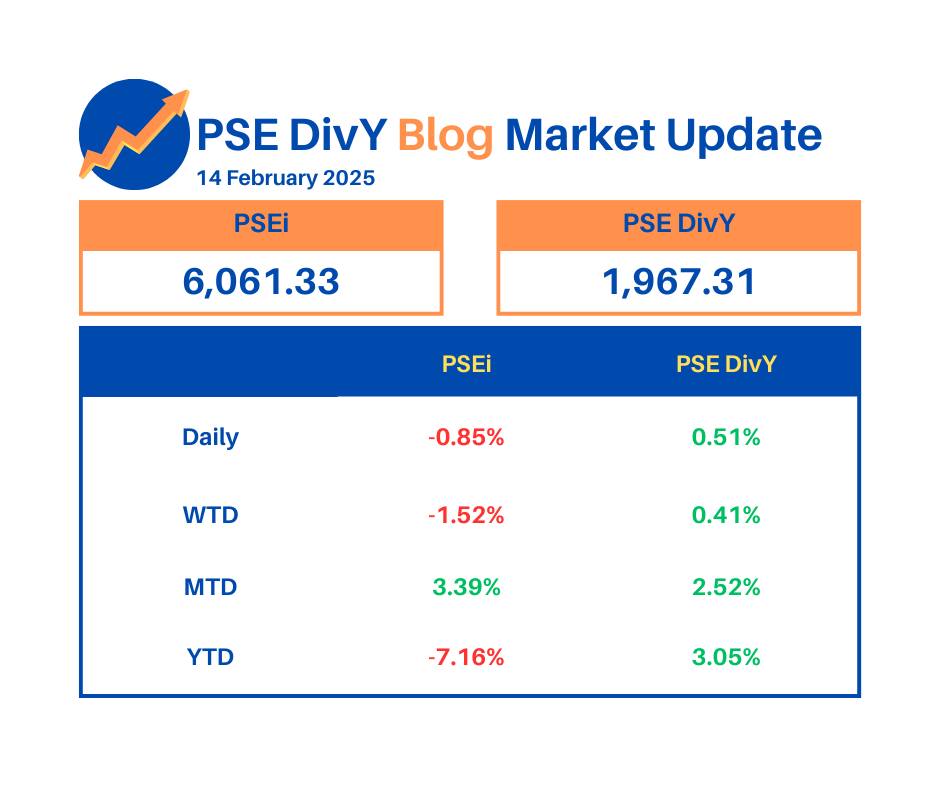
How the PSEi and MSE Can Navigate Market Volatility Together
Investors eyeing Southeast Asia often glance at two barometers: the Philippine Stock Exchange Index (PSEi) and the Malaysian Stock Exchange (MSE). Both gauges track the health of their home markets, yet their paths intersect more often than a casual observer might think. Understanding why they move in step—and how to ride those waves—can turn uncertainty into opportunity.
Why the PSEi and MSE Move in Tandem
At first glance, the Philippines and Malaysia appear distinct—different currencies, regulatory frameworks, and dominant sectors. Still, they share several macro‑level forces. Regional trade agreements, such as the ASEAN Free Trade Area, shape export demand for both economies. When a shipping lane bottleneck eases, for example, logistics firms listed on each exchange tend to see their stocks lift in unison.
Currency dynamics also play a role. The Philippine peso and Malaysian ringgit often respond similarly to shifts in U.S. dollar strength. A stronger dollar can depress earnings for exporters, nudging both indices downward. Conversely, a weakening dollar can boost foreign‑currency revenues, nudging the market higher.
Finally, investor sentiment across the region tends to travel quickly. A policy announcement from the Asian Development Bank, or a surprise rate cut by the Federal Reserve, can spark a rally that sweeps from Bangkok to Manila to Kuala Lumpur in a matter of hours.
Key Similarities and Differences
Both indexes are market‑cap weighted, meaning the biggest companies pull the needle the most. The PSEi leans heavily on financial services, telecommunications, and consumer staples. Meanwhile, the MSE features a larger weighting toward energy, palm oil, and technology hardware.
These sectoral tilts matter when global trends hit. A surge in commodity prices, for instance, typically lifts the MSE more than the PSEi, while a regional banking reform might boost the latter. Recognizing where each index draws its strength helps investors anticipate divergent moves amid a broader market swing.
Liquidity and Accessibility
Trading volumes on the MSE generally outpace those on the PSEi, reflecting Malaysia’s longer history of foreign investor participation. That extra liquidity can translate to tighter spreads—making it a bit easier to enter or exit positions without moving the price too much.
However, the Philippines has been liberalizing its market rules, allowing more foreign ownership in previously restricted sectors. As those caps lift, capital inflows are likely to increase, narrowing the liquidity gap over time.
Practical Strategies for Joint Exposure
If you’re looking to capture the shared upside while hedging against sector‑specific risks, consider a blended approach.
- Dual‑ETF Allocation: Several fund managers now offer regional ETFs that hold both PSEi‑ and MSE‑listed stocks. These products give you exposure without juggling two separate brokerage accounts.
- Sector Rotation Play: During periods of rising commodity prices, tilt a larger slice toward the MSE. When banking reforms dominate headlines, shift weight toward the PSEi.
- Currency Hedging: Use forward contracts or currency‑linked funds to mitigate the impact of peso‑ringgit fluctuations on your returns.
Each tactic carries its own cost and complexity, so it pays to test the waters with a modest position before scaling up.
Risk Factors to Keep in Mind
Geopolitical tensions in the South China Sea can create sudden, sharp moves that affect both markets simultaneously. While the two economies are not directly involved, trade routes run through the region, and any disruption can ripple through export‑driven companies.
Domestic political cycles also matter. Elections in the Philippines often bring policy uncertainty, especially around infrastructure spending. In Malaysia, changes in the ruling coalition can reshape energy subsidies, influencing the performance of heavy‑industry stocks.
Finally, remember that correlation is not constant. During extreme market stress, assets that usually move together can decouple, leaving a portfolio more exposed than anticipated.
Putting It All Together
Viewing the PSEi and MSE as separate islands limits your perspective. By recognizing the common currents—regional trade flows, currency trends, and investor sentiment—you can chart a course that leverages both markets’ strengths.
Start with a clear objective: Are you chasing growth, seeking dividend income, or simply looking for a hedge against a single‑country downturn? Align your strategy with the sector biases and liquidity profiles discussed above, and adjust as macro conditions evolve.
FAQ
What is the PSEi and why does it matter?
The PSEi tracks the performance of the 30 largest and most liquid stocks on the Philippine Stock Exchange. It serves as a barometer for the country’s equity market and is often used by investors to gauge overall economic health.
How does the MSE differ from the PSEi?
While both are market‑cap weighted, the MSE leans more heavily on commodities and technology hardware, whereas the PSEi is dominated by finance, telecoms, and consumer goods. This sectoral split can lead to different reactions under the same macro trend.
Can I invest in both markets through a single platform?
Yes. Many international brokers now offer access to both the Philippine and Malaysian exchanges, and regional ETFs provide a one‑stop solution for diversified exposure.
Is it wise to hedge currency risk when holding PSEi and MSE assets?
Currency moves can erode returns, especially if the peso and ringgit diverge sharply from the U.S. dollar. Hedging tools such as forwards, options, or currency‑linked funds can help preserve performance, though they add cost.