How the Jamaican Community Shaped the UK: A Journey
When the term “Jamaican community” appears in a discussion about Britain, it often brings to mind bright reggae beats, sizzling jerk stalls, and a resilient diaspora that arrived in waves after the war. Their UK journey, however, is far richer than music festivals and food festivals—it is a story of labor, activism, and cultural fusion that still reshapes the island‑nation relationship today.
Roots of Migration: Post‑War Recruitment
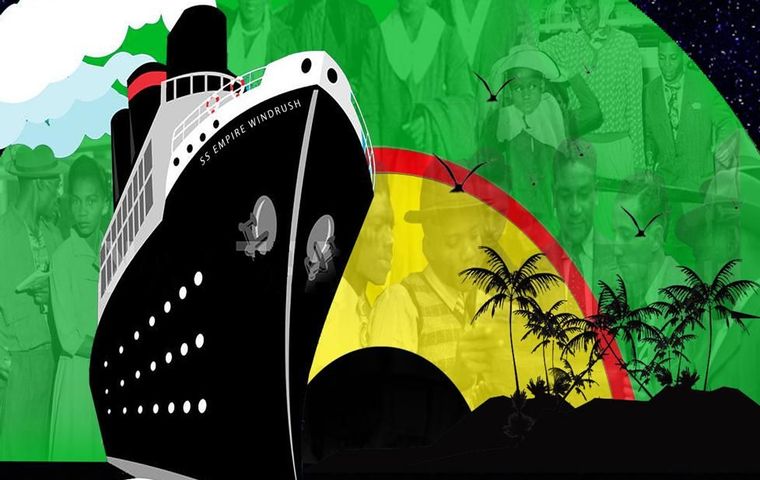
In the late 1940s, Britain’s economy was in reconstruction mode, and the government issued the British Nationality Act of 1948, granting citizens of the Commonwealth the right to settle anywhere in the empire. Jamaican men and women, many fresh from sugar‑cane fields or schoolrooms, responded to recruitment drives promising steady wages in shipyards, railways, and hospitals. The first arrivals disembarked at ports such as Liverpool and Southampton, often staying in cramped hostels before finding work in factories along the Midlands.
These early migrants faced a steep learning curve: unfamiliar weather, different social customs, and a subtle undercurrent of racial prejudice. Yet their willingness to fill labour shortages laid a foundation for the broader Caribbean diaspora that would follow in the 1960s and 1970s.
Building Communities in Britain’s Cities
By the 1970s, Jamaican families began to cluster in urban hubs—Brixton, Hackney, Birmingham, and Leeds became informal home bases. Community centres sprouted, offering everything from Sunday school for children to legal advice for newcomers navigating the British bureaucracy. Churches, especially the Seventh‑Day Adventist and Baptist congregations, doubled as social clubs where newcomers could share news from Kingston and celebrate Caribbean holidays.
These enclaves acted as cultural incubators. A young Jamaican boy might attend a local primary school by day, then join a reggae sound‑system crew after school, learning to mix tracks on a turntable that would later influence the nascent British club scene. The sense of belonging that grew from these neighbourhood networks helped many resist the isolation that often accompanies migration.
Cultural Contributions: Music, Food, and Language
Perhaps the most audible mark of the Jamaican community is its music. The 1970s saw the rise of lovers rock—a mellow, soulful offshoot of reggae that resonated with British youth. Later, the sound‑system culture birthed the UK’s rave and jungle scenes, while contemporary artists like Stormzy and Skepta trace lyrical lineages back to Jamaican patois and dub rhythms.
Food tells a similar tale. Jerk chicken stalls now line the streets of Manchester, while Caribbean cafés in London serve curried goat alongside vegan adaptations for a new generation of diners. Even the British palate has been nudged; the humble “Sunday roast” sometimes features a side of plantain chips, a subtle nod to island flavours.
Language, too, bears the imprint. Phrases such as “big up,” “irie,” and “walk like a donkey” have slipped into everyday British slang, especially among younger crowds who blend Cockney rhyming slang with Caribbean vernacular.
Challenges and Resilience
Despite these contributions, the Jamaican community has faced systemic hurdles. The 1981 Brixton riots, sparked by tensions over policing and unemployment, highlighted deep‑seated frustrations. Housing discrimination persisted well into the 1990s, with many families relegated to substandard council estates.
Yet resilience proved a common thread. Grassroots organisations championed civil rights, lobbying for fairer employment practices and better representation in media. Educational initiatives, such as after‑school tutoring programmes run by volunteers, helped close achievement gaps and fostered pride in Caribbean heritage.
The Next Chapter: New Generations and Identity
Today, second‑ and third‑generation Britons of Jamaican descent navigate a hybrid identity—simultaneously British and island‑born. They are entrepreneurs opening tech startups, artists curating museum exhibitions on the trans‑atlantic slave trade, and academics researching the diaspora’s impact on British literature.
Social media has amplified this dialogue, allowing young voices to celebrate their roots while confronting lingering stereotypes. Initiatives like “Black History Month” have spurred schools to include Jamaican authors such as Marlon James in curricula, ensuring that the narrative continues to evolve beyond the early migrant experience.
Frequently Asked Questions
- When did the first significant wave of Jamaican migration to the UK occur? The initial post‑war wave began in 1948 after the British Nationality Act granted Commonwealth citizens free movement, with larger numbers arriving throughout the 1950s and 1960s.
- What are some iconic cultural contributions of Jamaicans in Britain? Reggae and lovers rock music, Caribbean cuisine (especially jerk dishes), and linguistic influences like patois‑derived slang are among the most recognizable contributions.
- How have Jamaican Britons addressed racial discrimination? Through community advocacy, legal challenges, and the establishment of support networks that provide education, employment advice, and cultural affirmation.