How Religion Shapes Communities: A Deep Dive into Societal Impact
Religion's impact on society is a topic that spans centuries and cultures. From the architecture of ancient temples to the policy debates in modern legislatures, faith systems weave themselves into the fabric of everyday life. By examining history, sociology, and current events, we can uncover how religion molds our values, institutions, and collective identities.
The Scale of Religion's Impact on Modern Society
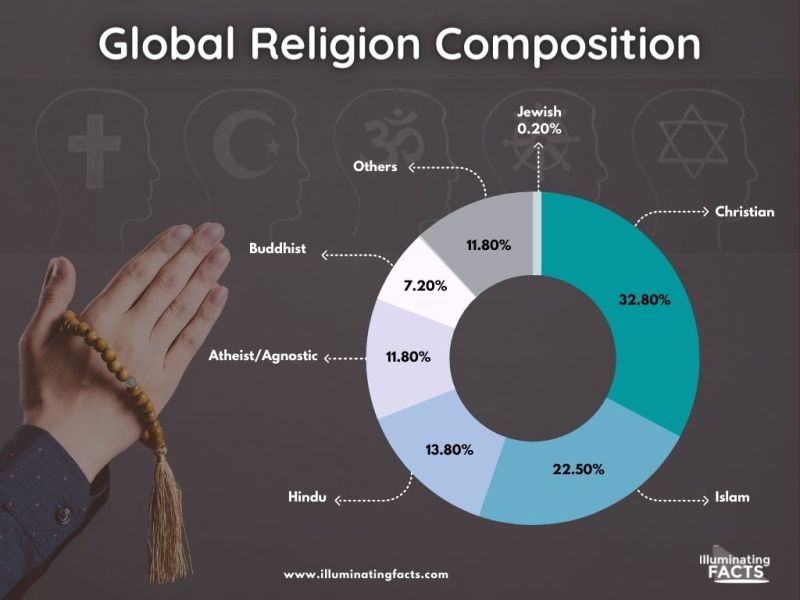
Across the globe, billions identify with some form of organized belief. This shared identification creates networks that influence everything from charitable giving to voting patterns. When a community gathers for worship, it often establishes shared norms that reinforce social cohesion and collective responsibility.
Building Social Capital and Community Networks
Religious congregations frequently act as hubs of social capital. Members exchange information, support one another through life’s milestones, and mobilize for causes such as disaster relief or neighborhood improvement. In many rural areas, churches or mosques are the central meeting places where people coordinate community projects and share resources.
Shaping Moral and Ethical Frameworks
Belief systems offer a moral compass that guides personal and societal behavior. Teachings about compassion, justice, and stewardship influence how individuals view issues like poverty, environmental stewardship, and human rights. When a faith promotes stewardship of the earth, it can inspire environmental initiatives that gain traction beyond religious circles.
Influencing Political and Legal Structures
Throughout history, religious doctrines have informed legislation. From laws regulating marriage to policies on reproductive rights, faith has frequently intersected with the state. In some countries, religious courts handle civil matters, while in others, religious leaders advise policymakers on ethical dimensions of public policy.
Fostering Cultural Identity and Heritage
Religion often serves as a marker of cultural identity. Festivals, rituals, and dietary practices reinforce a sense of belonging and continuity. When communities celebrate holidays together, they create shared memories that transcend individual differences, strengthening the social fabric.
Potential Sources of Conflict and Division
While religion can unify, it can also divide. Competing doctrinal claims have historically sparked conflict, ranging from local disputes to international wars. Even in pluralistic societies, religious identity can become a wedge in social cohesion if groups feel excluded or threatened.
Religion in the Digital Age
The rise of social media has transformed how faith communities interact. Online forums allow believers to share teachings, organize events, and debate theological questions in real time. Yet, digital platforms also expose religious groups to misinformation, prompting new challenges for maintaining authentic dialogue.
Case Studies: Religion’s Influence in Contemporary Contexts
- Islamic Humanitarian Initiatives: In several African nations, faith-based NGOs coordinate large-scale food distribution and medical outreach during crises.
- Christian Advocacy for Climate Action: Some evangelical groups in the United States have shifted from opposing environmental regulation to supporting sustainable practices, citing stewardship.
- Indigenous Spiritual Practices and Land Rights: Native American tribes have leveraged their spiritual connection to land to secure legal protections against corporate encroachment.
Education and Religious Literacy
Incorporating religious literacy into school curricula can foster mutual respect and reduce prejudice. By teaching students about diverse faith traditions, educators help create a more inclusive environment and encourage critical thinking about moral questions.
Future Trajectories and Emerging Trends
Secularism is rising in many urban centers, yet faith remains a potent force in diaspora communities. Hybrid identities—where individuals blend religious practice with secular lifestyles—are becoming more common. The challenge lies in balancing tradition with evolving social norms.
Frequently Asked Questions
Q: Does religion always have a positive influence on society?
A: Religion can promote community support, moral guidance, and cultural continuity, but it can also contribute to conflict when beliefs clash or are used to justify exclusion.
Q: How do faith-based organizations contribute to social welfare?
A: They often provide essential services such as food banks, shelters, and counseling, especially in underserved areas where governmental resources are limited.
Q: What role does religious diversity play in modern governance?
A: Inclusive policies that respect multiple faith traditions can enhance social stability, whereas exclusionary laws can undermine trust and cohesion.