How PwC Decodes Incoterms for Accurate Revenue Recognition
Incoterms & Revenue Recognition: PwC’s Perspective
When a multinational transaction closes, the line between shipping terms and accounting rules can feel blurry. Incoterms dictate who bears risk and cost at each stage of delivery, while revenue recognition standards determine when sales actually hit the books. PwC’s approach bridges that gap, ensuring that the moment you hand over a pallet aligns with the moment you recognize revenue—no more guesswork, no more audit surprises.
Why Incoterms Matter for Revenue Recognition
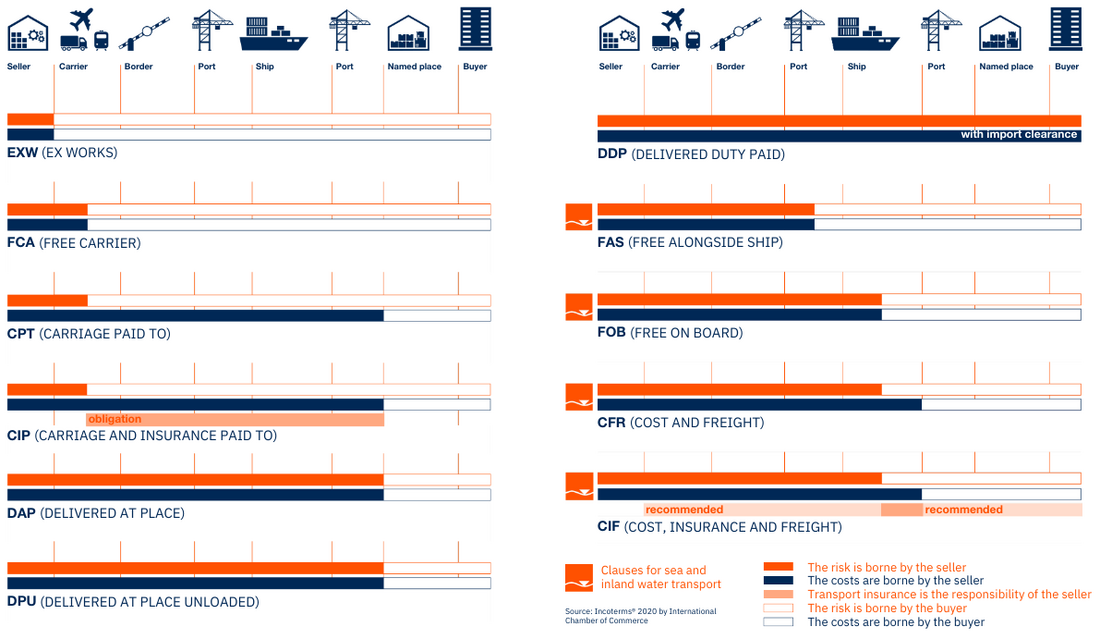
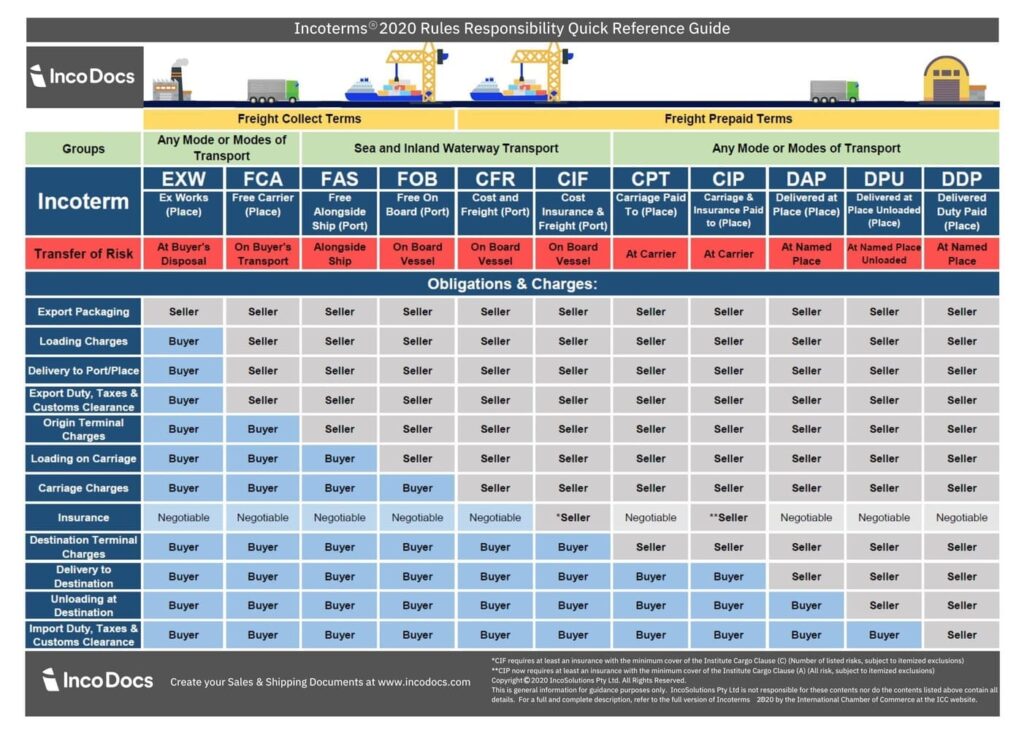
At first glance, Incoterms seem purely logistical, but they sit at the heart of the “transfer of control” test in IFRS 15 and ASC 606. For example, under FOB (Free on Board) the buyer assumes risk once the goods cross the loading dock; that is often the point when control shifts, triggering revenue recognition. Conversely, with CIF (Cost, Insurance, and Freight) the seller retains responsibility until the goods reach the destination port, delaying the revenue line.
Mis‑matching these milestones can inflate early revenue, distort performance metrics, and raise red flags during audits. A systematic review of your contract clauses, therefore, isn’t just good practice—it’s a compliance safeguard.
PwC’s Framework for Aligning Trade Terms with Accounting
PwC recommends a three‑step framework that starts with a contract audit and ends with a technology enablement plan.
- Contract Mapping: Extract every Incoterm clause, delivery condition, and payment trigger. Tag them against the five steps of the revenue recognition model: identify the contract, identify performance obligations, determine the transaction price, allocate the price, and recognize revenue.
- Control Point Analysis: For each performance obligation, ask “When does the buyer obtain the ability to direct the use of, and obtain substantially all of the benefits from, the asset?” Use the Incoterm as the primary indicator, but validate with any accompanying documentation—insurance policies, warehouse receipts, or customs filings.
- Systems Integration: Feed the mapped data into ERP modules that support event‑driven revenue recognition. Automation reduces manual checks and ensures that the moment the system logs a “goods received” event matches the accounting journal entry.
This structured approach transforms a sprawling set of shipping clauses into a clear, auditable revenue timeline.
Common Pitfalls and How to Avoid Them
Even seasoned finance teams stumble over a few recurring issues.
- Assuming “delivery” equals “recognition.” Not all deliveries confer control; DAP (Delivered at Place) still leaves risk with the seller until the buyer takes physical possession.
- Overlooking indirect costs. Freight and insurance might be borne by the seller under certain Incoterms, but if the contract treats them as reimbursable, they become part of the transaction price and affect the allocation step.
- Ignoring jurisdictional nuances. Local tax authorities sometimes interpret Incoterms differently, especially in emerging markets. Align your policy with both IFRS/US GAAP and regional guidance.
PwC advises a cross‑functional review—bring logistics, legal, and finance together early—to surface these hidden mismatches before they become audit findings.
Practical Steps for Your Business
Ready to put theory into practice? Here’s a concise checklist you can start using next week.
- Catalog every sales contract and flag the Incoterm used.
- Map each Incoterm to the corresponding control point in your revenue model.
- Update your ERP to trigger revenue recognition events based on the mapped control points.
- Run a parallel test for a quarter: compare legacy recognition dates with the new, Incoterm‑aligned dates.
- Document the rationale for each change—this becomes your audit trail.
Following these steps not only aligns your books with the economic reality of each transaction but also builds confidence among investors and regulators.
FAQ
What is the main difference between FOB and CIF regarding revenue timing?
Under FOB, control—and thus revenue—typically transfers when the goods are loaded onto the carrier. With CIF, the seller retains control (and risk) until the goods arrive at the destination port, so revenue is recognized later.
Do I need to change my ERP system to implement PwC’s approach?
Not necessarily a full overhaul, but you will likely need to configure event‑driven triggers that align with your mapped Incoterms. Most modern ERP platforms support this with relatively modest customizations.
How often should I review my contracts for Incoterm updates?
PwC suggests an annual review, or sooner if you enter a new market or adopt a different shipping practice. Regular checks keep your revenue recognition policy in step with evolving trade terms.
Can I apply this framework to service‑based contracts?
Yes, although Incoterms are less common in pure services. The underlying principle—matching the transfer of control with revenue timing—still applies, and you can adapt the mapping step to the specific performance obligations of your service contracts.