How Poland's Immigration Policies Shape Muslim Integration
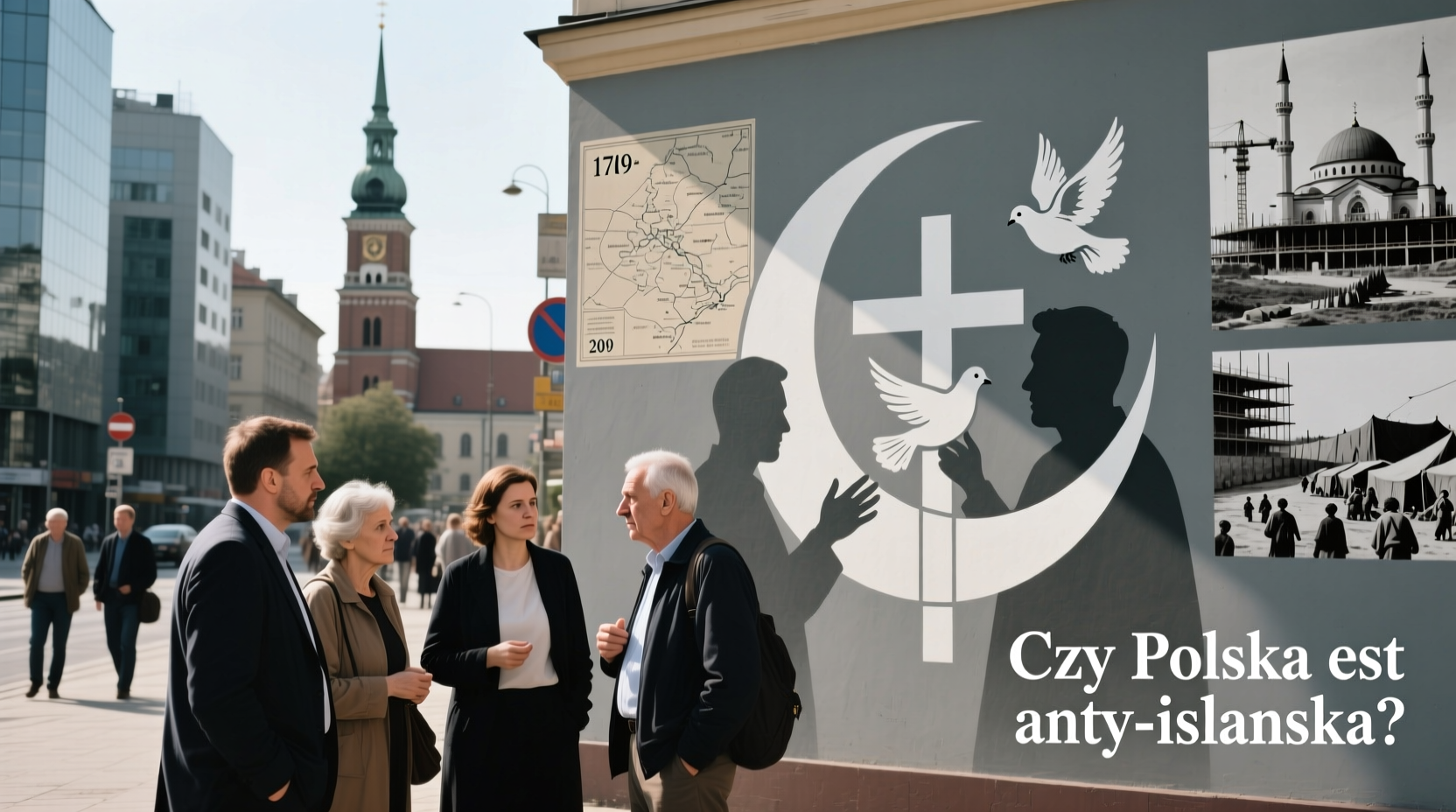
Poland's immigration policies have been a hot topic in recent years, especially as the country grapples with how to welcome newcomers while preserving its cultural fabric. Among the various groups arriving on Polish soil, Muslim migrants and refugees present a unique set of challenges and opportunities for integration. This article explores the legal backdrop, the social dynamics at play, and the steps both government and civil society are taking to foster a cohesive society.
Poland's Immigration Policies: Legal Framework
At the core of Poland's approach lies a set of laws that prioritize EU free‑movement rights, family reunification, and humanitarian protection. The 2016 amendment to the Act on Foreigners introduced stricter border controls, yet it also carved out specific provisions for asylum seekers, including those fleeing conflict in the Middle East. While the country has not adopted a quota system for Muslim migrants, the broader asylum framework applies uniformly, meaning that any individual meeting the criteria can seek refuge.
In practice, the bureaucracy can be daunting. Applications often require extensive documentation, and the processing time varies widely—sometimes stretching from a few months to over a year. Critics argue that this uncertainty hampers integration from the outset, as prospective residents struggle to secure housing or employment without a clear legal status.
Why Muslim Integration Matters
Muslim communities are still relatively small in Poland, comprising less than one percent of the total population. Yet their visibility has grown, especially in cities like Warsaw, Kraków, and Wrocław, where mosques and cultural centers have emerged. For many Poles, the presence of Islam challenges long‑standing notions of national identity, prompting both curiosity and resistance.
Integration, in this context, means more than just legal residency. It involves access to education, the ability to practice faith openly, and participation in civic life. When any of these elements falters, the risk of marginalization rises, which can fuel social tension on both sides.
Government Initiatives and Their Limits
Recognizing the need for a balanced approach, the Ministry of Interior has launched several pilot programs aimed at language acquisition and vocational training for refugees, regardless of religion. These initiatives are often coordinated with local municipalities, which can tailor support to regional labor market needs.
- Polish Language Courses: Free or subsidized classes are offered in community centers, with a focus on everyday communication skills.
- Job Matching Services: Partnerships with NGOs help match migrants with employers in sectors facing shortages, such as construction and caregiving.
- Civic Orientation: Workshops cover Polish civic norms, legal rights, and responsibilities, aiming to demystify the bureaucracy.
However, the programs face budget constraints and occasional political pushback. Some local councils have expressed concerns about resource allocation, especially in areas where public sentiment is skeptical of Muslim immigration.
Community Responses and Grassroots Efforts
Beyond official channels, numerous grassroots groups have stepped in to fill gaps. Organizations like the Islamic Cultural Centre in Warsaw organize interfaith dialogues, inviting clergy from Catholic and Protestant churches to discuss common values. Such events have proven effective at humanizing the “other” and dispelling stereotypes.
At the same time, there are vocal segments of Polish society that question the compatibility of Islamic practices with Polish traditions. Demonstrations have occurred, but they remain a minority voice compared to the broader public, which tends to be pragmatic about economic contributions from migrants.
Education as a Bridge
Schools play a pivotal role in shaping attitudes. While public schools do not offer Islamic religious instruction, they do accommodate prayer spaces upon request. Moreover, many educators have begun incorporating lessons on global cultures, highlighting Muslim contributions to science, art, and philosophy. This subtle shift helps students see diversity as a source of enrichment rather than a threat.
Higher education institutions have also become integration hubs. Universities in Kraków and Gdańsk host international student groups that include Muslims, providing mentorship programs and cultural exchange events. These initiatives often lead to lasting friendships and professional networks that extend beyond campus walls.
Challenges That Remain
Despite progress, several hurdles persist. Employment discrimination, whether overt or subtle, still deters many qualified Muslim migrants from entering the job market. Housing discrimination, especially in smaller towns, can force families into isolated neighborhoods, limiting social interaction with the broader community.
Another thorny issue is the perception of religious symbols in public spaces. The wearing of the hijab, for instance, has sparked debate in some schools and workplaces. While no nationwide ban exists, local policies can vary, creating an inconsistent environment for Muslim residents.
Looking Ahead: Policy Recommendations
Experts suggest a few pragmatic steps to enhance integration without igniting political backlash. First, expanding language training to include professional terminology can improve job prospects. Second, establishing clear anti‑discrimination guidelines—backed by enforcement mechanisms—would signal a commitment to equality.
Third, encouraging media outlets to feature positive stories about Muslim contributions can shift public narratives. Finally, fostering partnerships between municipalities and faith-based organizations can create tailored solutions that respect both cultural practices and local norms.
FAQ
What legal avenues exist for Muslim refugees in Poland?
Muslim refugees can apply for asylum under Poland's general asylum law, which assesses claims based on persecution risk, irrespective of religion. They may also benefit from EU resettlement programs if selected.
Are there dedicated mosques or prayer spaces for newcomers?
Major cities host several mosques and multi‑faith centers that welcome new arrivals. In smaller towns, community halls sometimes serve as temporary prayer spaces pending the establishment of permanent facilities.
How does the Polish government support language learning?
The Ministry of Interior funds free Polish language courses through local NGOs and community centers, aiming to help migrants achieve basic conversational proficiency within six months.
Is there evidence of economic benefits from Muslim migrants?
While comprehensive studies are limited, anecdotal reports from businesses in construction and caregiving sectors indicate that migrant labor, including Muslim workers, helps fill critical skill gaps.