How Much Does It Cost to Live in Jakarta? A Practical Guide
Jakarta living cost can vary wildly depending on lifestyle, location, and personal preferences. Whether you’re moving from a nearby province or from abroad, understanding the main expense categories—rent, food, transport, utilities, healthcare, and leisure—will help you budget accurately. In this guide, we’ll break down typical costs, compare city districts, and give you realistic tips to keep your finances in check.
Rent: The Biggest Variable in Jakarta Living Cost
The capital’s sprawling expanse means that a one-bedroom apartment in central areas like Central Jakarta (Jakarta Pusat) or Kebayoran Baru can range from IDR 10–20 million per month. If you’re willing to move to suburbs such as Bekasi or Depok, you’ll find similar layouts for about IDR 6–12 million. Shared accommodations—common among students and young professionals—often average IDR 3–5 million for a room, sometimes with utilities included.
When choosing a building, factor in maintenance fees (commonly 1–2% of the purchase price if you buy, or a flat monthly charge if renting), security deposits, and potential renovation costs. Some high-end condominiums offer amenities like gyms or pools that come with extra service charges.
Food & Groceries: Eating Out vs. Cooking at Home
A single meal at a local warung or street food stall typically costs between IDR 5,000 and 15,000, while a three-course restaurant dinner can climb to IDR 150,000 or more. If you prefer cooking, a weekly grocery basket for one person averages IDR 300,000–500,000, depending on your dietary habits. Importing specialty items or frequenting upscale markets can push this higher.
Eating out every day can inflate your budget, but sampling Jakarta’s diverse street food—satay, nasi goreng, gado-gado—offers both flavor and affordability. Budget travelers often find that a mix of home-cooked meals and occasional local eateries keeps monthly food costs around IDR 1.2–1.8 million.
Transport: From Motorbike to Public Transit
Motorbikes remain the most convenient and cost-effective way to navigate Jakarta’s traffic. Leasing a scooter for a year typically costs about IDR 200,000–300,000, while ownership includes maintenance and fuel, usually adding another 400–600 per month. For those who prefer cars, a used compact vehicle might cost between IDR 80–120 million.
Public transport offers alternatives: the TransJakarta bus network charges IDR 1,500–2,500 per ride, and the newer MRT and LRT systems run between IDR 4,000 and 9,000 per trip. A monthly pass for the MRT can be around IDR 200,000, giving you unlimited rides.
Utilities and Internet: The “Hidden” Bills
Monthly electricity bills for a modest apartment hover around IDR 200,000–400,000, with water and sewage costs adding another IDR 30,000–50,000. Internet service—essential for most residents—ranges from IDR 200,000 (basic) to over IDR 600,000 (high-speed fiber) per month. Some building complexes bundle utilities into a single fee; always confirm what’s included before signing a lease.
Healthcare: Coverage and Out-of-Pocket Expenses
Public healthcare facilities offer low-cost services, but many residents opt for private hospitals or clinics for convenience and faster service. Monthly premiums for comprehensive health insurance (BPJS Kesehatan) start around IDR 1.5 million, while private insurance plans can range from IDR 2.5 to 5 million per year.
Out-of-pocket costs for a routine check-up at a private clinic average IDR 100,000–200,000, and medication prices vary widely. Having a small emergency fund for unexpected medical needs is wise.
Entertainment and Miscellaneous: Lifestyle Choices Matter
Gym memberships can cost anywhere between IDR 250,000 and 1 million monthly, while a single movie ticket averages IDR 50,000–70,000. Cafes, bars, and nightlife venues tend to be pricier in upscale districts like Kemang or SCBD.
Clothing, personal care, and occasional travel to other Indonesian islands or nearby countries can add up quickly. Setting aside a discretionary budget of IDR 200,000–400,000 per month helps cover these spontaneous pleasures.
Putting It All Together: A Rough Monthly Estimate
For a single person living moderately in Jakarta’s city center, a realistic monthly budget looks like this:
- Rent (studio, 1BHK): IDR 10–15 million
- Food and groceries: IDR 1.5–2 million
- Transport (motorbike lease + fuel + occasional ride‑share): IDR 400,000–600,000
- Utilities and internet: IDR 400,000–800,000
- Health insurance: IDR 1.2–2.5 million
- Entertainment & miscellaneous: IDR 300,000–600,000
- Savings/contingency: 10–20% of total
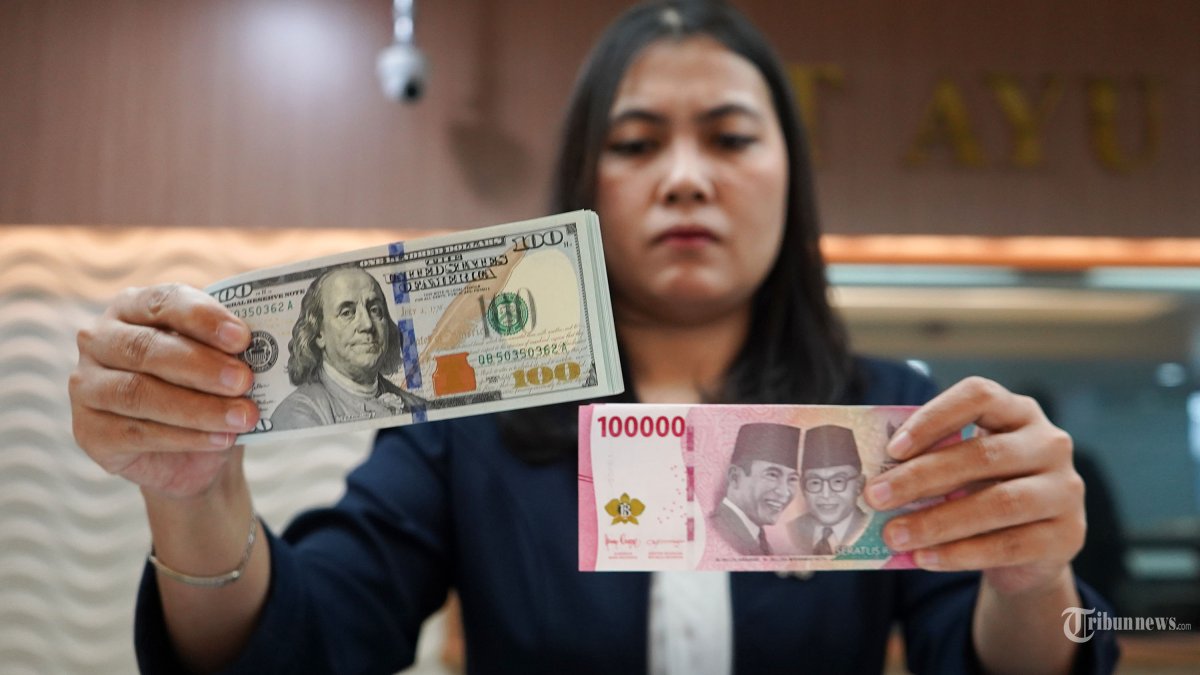
Summing the lower end gives approximately IDR 14.5 million (about USD 1,000) per month, while the upper end can approach IDR 22 million (USD 1,530). Adjusting for your location, lifestyle, and financial goals will refine these figures.
Tips to Reduce Jakarta Living Cost
1. Choose a neighborhood slightly outside the city core—places like Grogol or Pulo Gadung often offer cheaper rent while still within reach of MRT lines.
2. Embrace local food markets and cook at home; this not only saves money but also introduces you to fresh, regional ingredients.
3. Use the “Go-Jek” or “Grab” app for short rides—they’re often cheaper than hailing a taxi, especially during off‑peak hours.
4. Consider sharing utilities and internet with roommates; splitting bills can bring down costs by up to 30%.
5. Take advantage of free or low-cost cultural events—Jakarta hosts many festivals, exhibitions, and community gatherings that are either free or very inexpensive.
FAQ
What is the minimum monthly budget for a single person in Jakarta?
Typically, a single person can live comfortably on IDR 12–15 million per month if they opt for a modest apartment outside the city center and cook most meals at home.
Can I live on a lower budget by renting a room?
Yes. Renting a single room in a shared apartment can reduce rent to IDR 3–5 million per month, but you should still account for utilities, internet, and shared groceries.
Is it necessary to have health insurance in Jakarta?
While not legally mandatory, private health insurance is highly recommended to cover unexpected medical expenses, especially for expatriates or those seeking faster private care.
How can I save on transportation costs?
Leasing a motorbike and using public transit for longer commutes is one of the most efficient ways to manage transport expenses in Jakarta.