How Much Does a New AC Unit Cost in 2026? What to Expect
Understanding the New AC Unit Cost Landscape
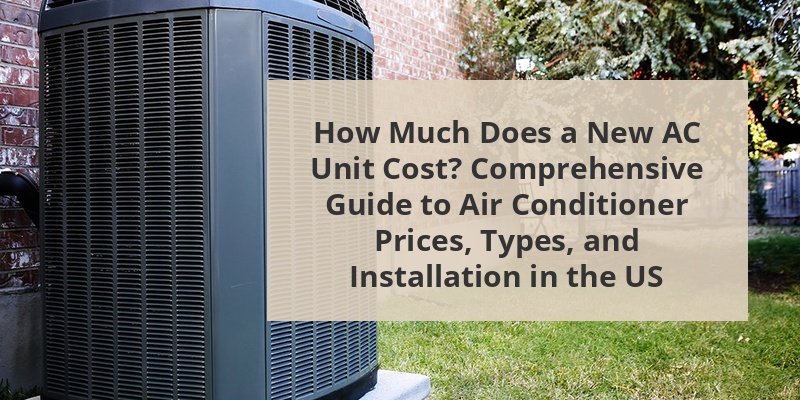
When you start shopping for a replacement air‑conditioner, the first thing that pops into most people’s heads is the price tag. In 2026 the average new AC unit cost can feel like a hefty investment, but breaking it down into its component parts helps demystify the number you’ll actually see on the invoice.
Beyond the sticker price of the unit itself, you’ll also need to factor in labor, any necessary ductwork upgrades, and the long‑term energy savings you might enjoy. All of these pieces combine to shape what you should expect to pay from start to finish.
Key Drivers Behind the Price of a New AC Unit
- Unit size and capacity. A larger home or a space with high heat load demands a higher‑tonnage system, which naturally costs more.
- Efficiency rating. Units with a SEER (Seasonal Energy Efficiency Ratio) of 16 or above command premium pricing, but they often pay for themselves through lower utility bills.
- Brand reputation. Established manufacturers tend to price their products higher, offering longer warranties and proven reliability.
- Installation complexity. Retrofits in older homes may require new ductwork, electrical upgrades, or reinforcement of the mounting platform.
- Geographic market. Labor rates and material costs vary by region, so a unit in the Northeast can be noticeably pricier than the same model in the Southwest.
Typical Price Ranges for Different Types of Systems
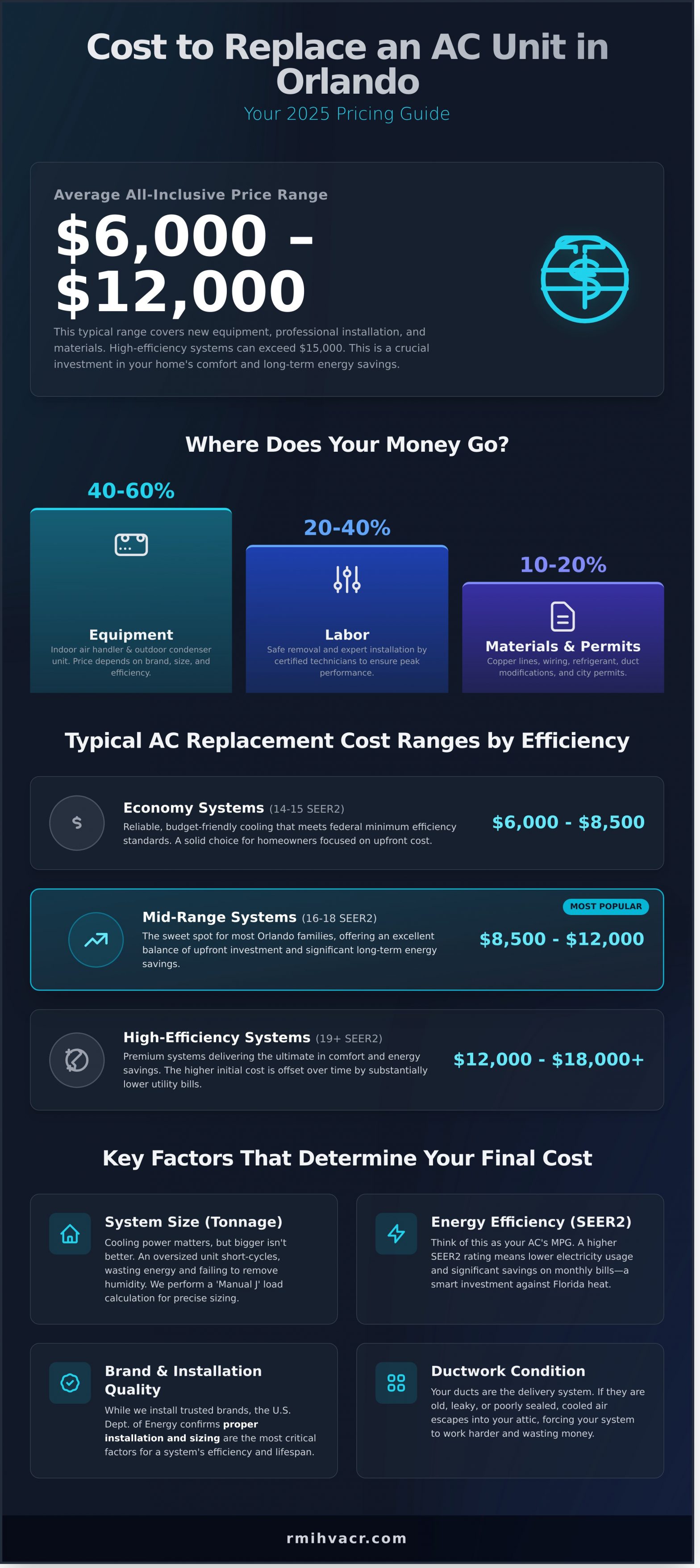
For a standard central air‑conditioning system, the equipment alone usually runs between $2,000 and $4,500. If you opt for a high‑efficiency model with a SEER of 20+, expect to see numbers in the $4,000‑$6,000 bracket.
Mini‑split (ductless) systems, which are popular for home additions or renovations, start around $1,200 for a single indoor unit and can climb past $5,000 for multi‑zone setups.
Window units remain the most budget‑friendly option, often priced between $150 and $500, though they rarely match the performance of a full‑system replacement.
Installation Costs: What’s Included and What Might Surprise You
Installation typically adds 30‑50% to the base price of the equipment. A professional contractor will handle:
- Removal of the old unit and proper disposal.
- Sizing and sealing of refrigerant lines.
- Electrical work to ensure the new unit meets code.
- Testing and commissioning the system for optimal performance.
Unexpected expenses can arise if the existing ductwork is leaky or undersized. In such cases, sealing or enlarging ducts can tack on an additional $500‑$1,200.
Operating Costs: How Efficiency Impacts Your Wallet
While the upfront cost is the most visible number, the true value of a new AC unit shines through its operating expenses. A unit that’s just a few points higher in SEER can shave 10‑15% off your annual cooling bill.
To illustrate, a typical 3‑ton system rated at SEER 14 might cost $1,200 a year to run in a hot climate, whereas a SEER 18 version could drop that figure to roughly $1,000, assuming similar usage patterns.
Financing and Incentives: Making the Investment More Manageable
Many HVAC dealers partner with lenders to offer low‑interest financing, often spreading payments over 5‑10 years. Some utilities also provide rebates for high‑efficiency units, sometimes up to $500 or more.
Before you sign anything, ask for a written breakdown of all costs, any applicable rebates, and the total amount financed. Transparent paperwork helps you avoid surprise fees down the road.
Tips for Controlling the Bottom Line
- Get at least three quotes from licensed contractors; prices can vary widely.
- Consider a seasonal promotion—many companies discount units in the spring or fall.
- Ask about a “hard‑start” kit if you’re installing a larger system; it can protect the compressor and reduce warranty claims.
- Schedule regular maintenance; a clean coil and well‑charged refrigerant keep efficiency high and energy costs low.
Frequently Asked Questions
What factors most affect the cost of a new AC unit? Size, efficiency rating, brand, installation difficulty, and regional labor rates are the primary drivers.
Is it worth paying more for a high‑SEER model? Generally yes—higher SEER units have higher upfront costs but can lower yearly electricity bills enough to offset the price over time.
How long does professional installation usually take? For a standard central system, most contractors finish the job in one to two days, assuming no major ductwork changes.
Can I claim any tax credits for installing an energy‑efficient AC? In 2026, certain high‑efficiency models qualify for federal tax credits, but eligibility varies by state and specific product.