How Jawaharlal Nehru Built Modern India as First PM
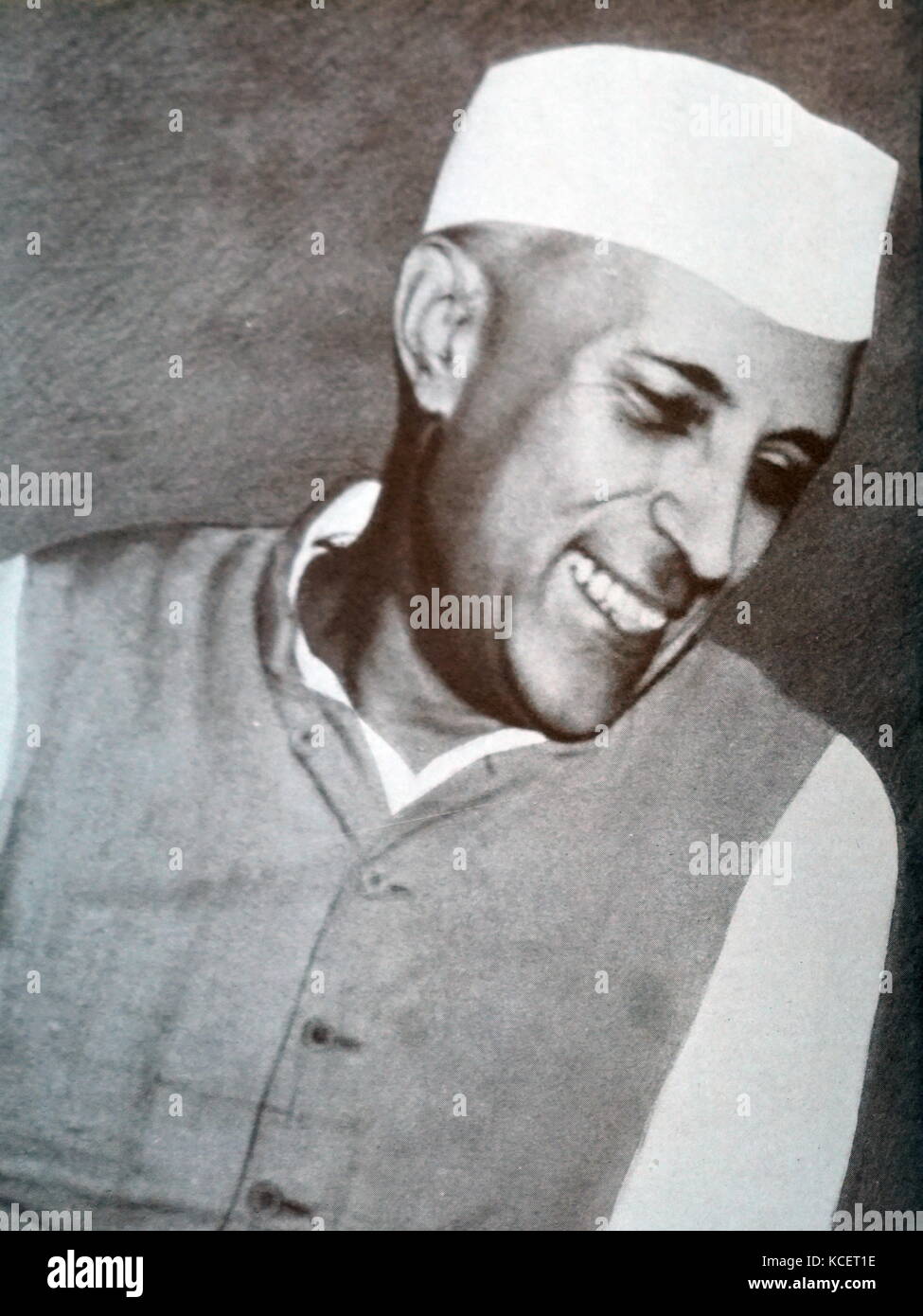
When the dust of British rule finally settled in 1947, the newly sovereign nation faced a daunting maze of challenges. At the helm stood Jawaharlal Nehru, India's first Prime Minister, whose blend of idealism and pragmatism would shape the country's trajectory for decades. From a teenage activist in the freedom struggle to a statesman navigating Cold War geopolitics, Nehru's story is as complex as the nation he helped birth.
From a Privileged Upbringing to a Revolutionary Mind
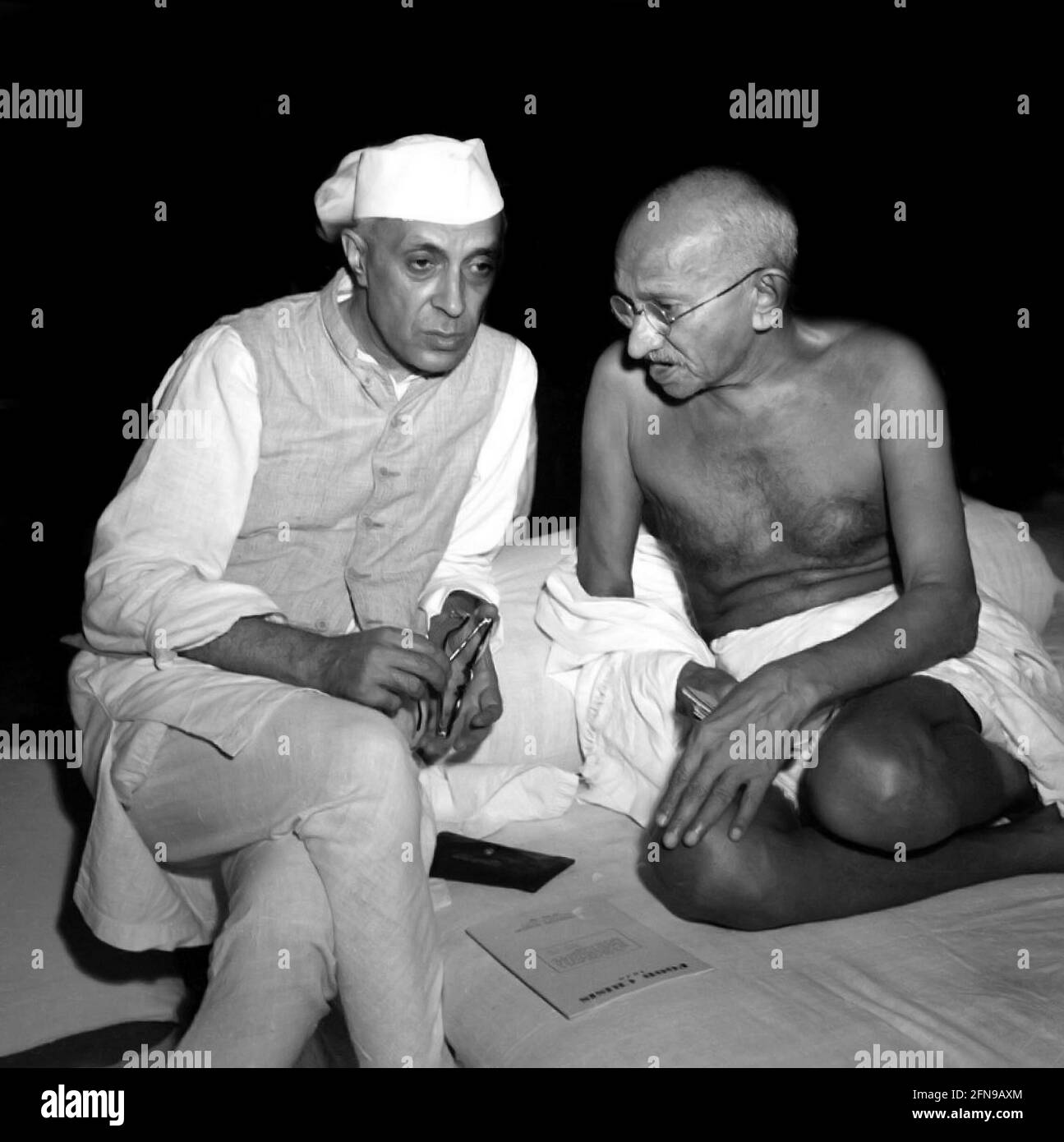
Born in 1889 into an affluent Kashmiri‑Punjabi family, Nehru enjoyed the finest education of his era—boarding schools in England and a law degree from Cambridge. Yet the comforts of aristocracy never dulled his curiosity about India's plight. A chance encounter with Mahatma Gandhi during a 1916 visit to India sparked a transformation; Nehru swapped legal briefs for civil disobedience, joining the Indian National Congress and quickly emerging as a charismatic leader.
The Freedom Fighter Turned Architect of Independence
Throughout the 1920s and 1930s, Nehru played a pivotal role in major campaigns: the Non‑Cooperation Movement, the Salt March, and the Quit India struggle. His speeches—rich with poetic imagery—galvanized millions, while his willingness to endure imprisonment earned him respect across social strata. By the time World War II ended, Nehru was widely regarded as Gandhi’s natural successor, a bridge between the old guard and the younger, more radical elements of the Congress.
Assuming the Premiership: Immediate Trials
On August 15, 1947, as the tricolor fluttered over New Delhi, Nehru inherited a nation riddled with communal violence, a massive refugee crisis, and the daunting task of drafting a constitution. He appointed a diverse drafting committee, insisting on a secular framework that protected minorities—a stance that would later become a cornerstone of Indian democracy. Simultaneously, he oversaw the integration of princely states, using both diplomacy and, when necessary, force, to prevent the fracturing of the union.
Vision of a Secular, Democratic Republic
For Nehru, India was not merely a political entity but an experiment in pluralism. He championed “unity in diversity,” insisting that religion should stay out of the public sphere while guaranteeing freedom of worship. This principle guided landmark legislation on personal law reforms, even if progress was slower than he hoped. He also believed that democracy required an informed citizenry, leading to the establishment of a robust public education system.
Economic Blueprint: Planning, Not Profit
Rejecting both laissez‑faire capitalism and socialist orthodoxy, Nehru opted for a mixed economy anchored by state‑led industrialization. In 1950, he launched the First Five‑Year Plan, focusing on heavy industries like steel, coal, and machinery. Public sector enterprises—such as Hindustan Steel Works and the Indian Institutes of Technology—were envisioned as engines of self‑sufficiency. While growth was uneven and agriculture lagged, the plan laid the groundwork for later economic expansion.
Foreign Policy and the Birth of Non‑Alignment
Amid the Cold War’s binary world order, Nehru pursued a third path: non‑alignment. He helped found the Non‑Aligned Movement in 1961, inviting newly independent nations to stay neutral while advocating for peaceful coexistence. This stance allowed India to receive aid from both the West and the Soviet bloc, though it sometimes strained relationships with neighboring countries, especially after the 1962 Sino‑Indian border conflict.
Enduring Legacy and Ongoing Debates
Decades after his death in 1964, Nehru remains a polarizing figure. Admirers credit him with laying the institutional foundations of modern India—parliamentary democracy, scientific research institutions, and a secular constitution. Critics argue that his emphasis on central planning delayed economic liberalization and that his handling of regional dissent sowed seeds of future unrest. Regardless of perspective, his imprint on India’s political culture is undeniable.
Key Contributions at a Glance
- Constitutional Secularism: Crafted a framework protecting all faiths.
- Industrial Policy: Established public sector heavy industries.
- Education Reforms: Founded IITs and expanded primary schooling.
- Non‑Alignment: Positioned India as an independent voice in global affairs.
Frequently Asked Questions
What were Jawaharlal Nehru’s main economic goals for India?
He aimed to achieve self‑reliance through state‑controlled heavy industry, improve agricultural productivity, and reduce poverty by investing in infrastructure and education.
How did Nehru’s foreign policy differ from that of other post‑colonial leaders?
Unlike many contemporaries who aligned with either the United States or the Soviet Union, Nehru championed non‑alignment, seeking to keep India neutral while promoting cooperation among developing nations.
Why is Nehru’s commitment to secularism considered controversial today?
Some argue that a strict separation of religion and state can overlook cultural realities, while others view it as essential for protecting India’s diverse population. The debate continues in courts and public discourse.