How Installment Payments Work: A Simple Guide
What Are Installment Payments?
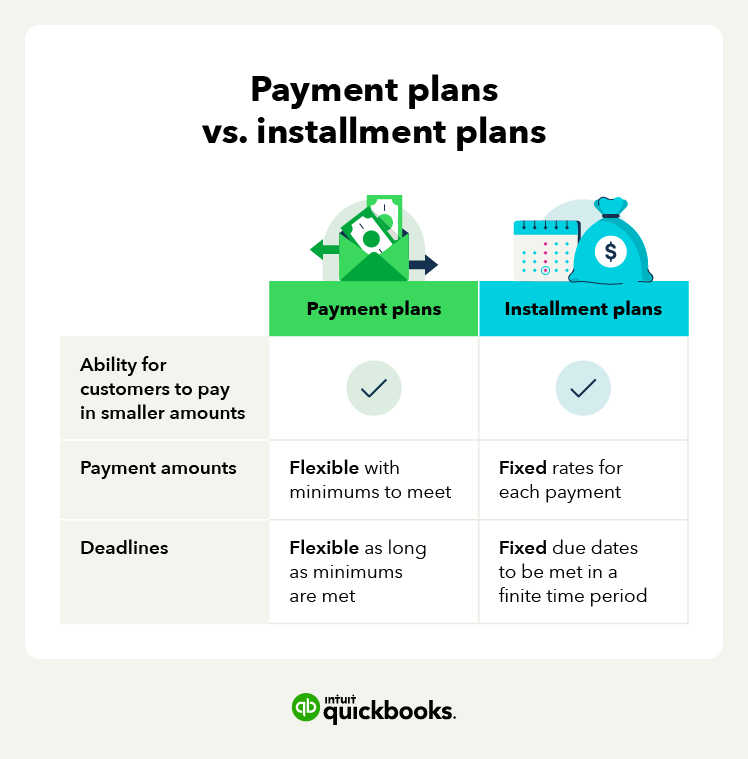
When you hear the term “installment payments,” think of buying something today and spreading the cost over a set number of months. Instead of paying the full amount upfront, you agree to a schedule of equal (or sometimes slightly varied) payments until the balance is cleared. This approach is common for everything from furniture and electronics to tuition fees and medical bills.
How They Differ From Traditional Loans
At first glance, an installment plan looks a lot like a small loan, but there are subtle differences. A loan typically involves a fixed interest rate, a credit check, and a longer repayment horizon. Installment payments, on the other hand, are often offered directly by retailers or service providers, sometimes with zero‑interest promotions for a limited period.
Because the provider is effectively extending credit, many installment plans still include a finance charge—though it may be disguised as a “processing fee” or an “admin cost.” Understanding whether you’re paying interest, a flat fee, or nothing at all is the first step to evaluating the deal.
Key Benefits and Drawbacks
- Cash‑flow flexibility: Spreading payments eases the strain on your monthly budget.
- Predictable amounts: Fixed installments let you plan ahead without surprise spikes.
- Potential zero‑interest offers: Some promotions let you avoid any extra cost if you pay on time.
- Improved purchasing power: You can afford higher‑priced items sooner.
- Interest and fees: Not all plans are free; hidden charges can raise the total cost.
- Credit impact: Missed installments may hurt your credit score, especially if the provider reports to bureaus.
- Early‑pay penalties: A few agreements charge a fee for paying off the balance ahead of schedule.
- Limited flexibility: Some contracts lock you into a specific payment amount, making it hard to adjust if your financial situation changes.
Common Terms You’ll Hear
Getting comfortable with the jargon makes it easier to compare offers. Here are a few staples:
- APR (Annual Percentage Rate): The yearly cost of borrowing, expressed as a percentage. Even a “0% APR” promotion may have a short promotional window.
- Term: The length of time over which you’ll make payments, usually expressed in months.
- Down payment: An upfront amount that reduces the financed balance.
- Grace period: A window after each payment where you won’t incur a late fee, provided you’re still on schedule.
Tips for Using Installment Plans Wisely
Before you click “agree,” run through this quick checklist:
- Calculate the total cost, including any fees. Compare it to the cash price.
- Check the interest rate or APR. If it’s above 10%, you might be better off with a low‑interest credit card.
- Make sure the payment amount fits comfortably within your monthly budget.
- Read the fine print for early‑pay penalties or hidden processing fees.
- Set up automatic payments to avoid missed due dates and potential credit damage.
Frequently Asked Questions
Can I negotiate the terms of an installment plan?
Yes, especially with larger purchases. Retailers may be willing to lower the interest rate, waive a processing fee, or extend the term if you ask. It never hurts to negotiate.
Do installment payments affect my credit score?
Most reputable providers report payment activity to credit bureaus. Timely payments can help build credit, while missed or late payments can lower your score.
Is a “0% financing” offer truly free?
Often it is, but only if you pay off the balance before the promotional period ends. Missing a payment or extending the term can trigger retroactive interest, turning a “free” deal into a costly one.
Should I choose a short term or a long term?
Shorter terms mean higher monthly payments but less interest overall. Longer terms lower each payment but increase the total amount you’ll pay. Balance the two based on your cash flow and how quickly you want to be debt‑free.