How Immersion Cooling Is Shaping the Future of Efficient Data Centers
When servers hum and racks blaze with heat, the traditional answer has always been more fans and bigger air conditioners. Immersion cooling flips that script by submerging hardware in a dielectric fluid that whiskers heat away at a molecular level. The result is a quieter, greener, and often cheaper way to keep compute power humming.
What Is Immersion Cooling?
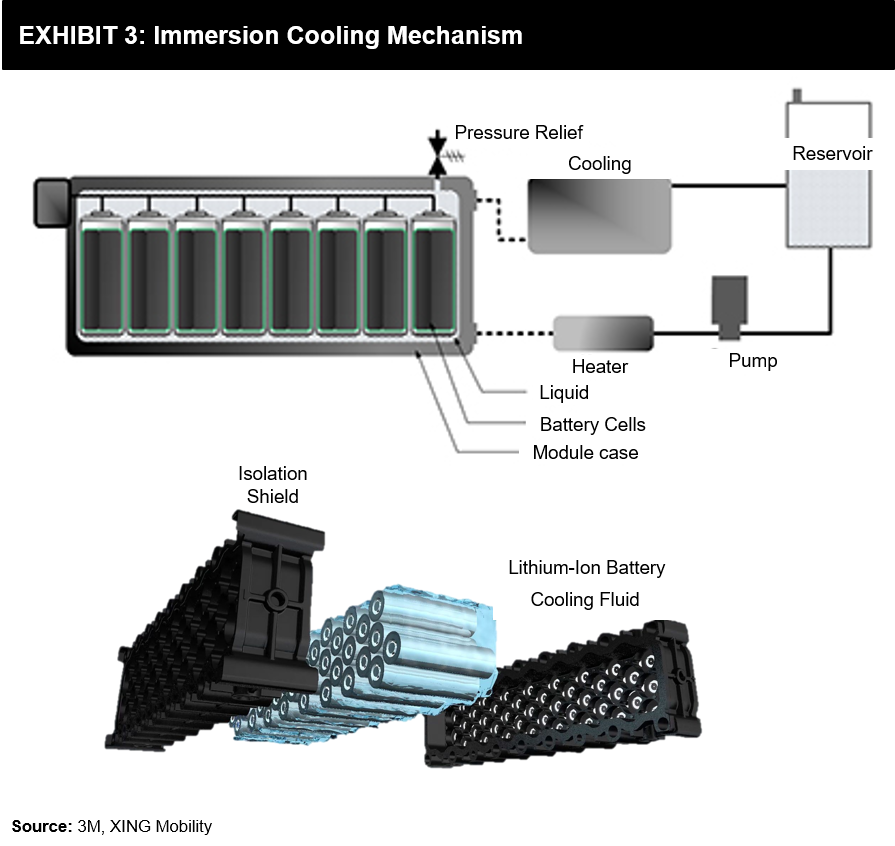
At its core, immersion cooling involves placing electronic components—usually servers or GPUs—directly into a non‑conductive liquid. The fluid absorbs heat far more efficiently than air, then circulates it to a heat exchanger where it’s turned into cool water or ambient air. There are two main flavors:
- Single‑phase: The fluid stays liquid throughout the cycle, similar to how oil cools a car engine.
- Two‑phase: The liquid boils at hot spots, turning into vapor that rises, condenses, and falls back, creating a self‑driven pump.
Both approaches eliminate the need for bulky fans and allow components to operate at higher densities.
Why It Matters for Energy Efficiency
Data centers consume roughly 1 % of global electricity, and most of that draw comes from cooling. Immersion cooling can slash that share dramatically. By replacing air with a fluid that has a thermal conductivity up to 50 times higher, the amount of energy spent on chillers drops, sometimes by more than half. Moreover, the fluid can be reclaimed and reused, reducing waste heat that would otherwise be vented into the environment.
Key Benefits Over Traditional Air Cooling
Beyond raw efficiency, immersion cooling offers several practical advantages:
- Space savings: Without racks of fans and airflow ducts, floor space can be packed tighter, enabling more compute per square foot.
- Noise reduction: The hum of dozens of fans disappears, creating a more pleasant work environment.
- Longevity: Lower operating temperatures and the absence of dust build‑up can extend component lifespans.
- Scalability: Adding more servers simply means pouring in more fluid, not redesigning HVAC layouts.
Challenges and Considerations
Nothing is without trade‑offs. The upfront cost of a liquid‑compatible chassis and the dielectric fluid itself can be higher than a conventional rack. Operators also need to rethink maintenance: swapping out a hot‑plugged server underwater requires sealed connectors and careful handling. Finally, not every workload benefits equally—high‑frequency trading rigs that demand ultra‑low latency may still favor air‑cooled, purpose‑built machines.
Real‑World Applications and Case Studies
Several tech giants have already taken the plunge. A major cloud provider reported a 45 % reduction in power‑usage effectiveness (PUE) after converting a portion of its fleet to single‑phase immersion. Meanwhile, a cryptocurrency mining farm in Iceland leveraged the naturally cold climate to chill its fluid, cutting electricity costs to a fraction of the industry average. Even traditional enterprises are experimenting; a European bank migrated its AI inference servers to a two‑phase system and saw a 30 % drop in cooling‑related operational expenses.
Looking Ahead: Trends and Innovations
The next wave of immersion cooling is likely to be driven by three forces. First, new synthetic fluids with even higher thermal capacities are entering the market, promising lower viscosity and better heat transfer. Second, integration with renewable energy sources—such as using excess solar power to drive fluid pumps—could make data centers virtually carbon‑neutral. Third, modular “plug‑and‑play” immersion tanks are emerging, allowing smaller firms to adopt the technology without massive capital outlays.
Frequently Asked Questions
Is immersion cooling safe for all hardware? Most modern servers are built with materials that tolerate dielectric fluids, but legacy equipment may need retrofitting or replacement.
Can I convert an existing data center to immersion cooling? A full retrofit is costly; many operators opt for a hybrid approach, dedicating specific zones to liquid immersion while keeping the rest air‑cooled.
Does immersion cooling eliminate the need for traditional HVAC? Not entirely. While the fluid handles component heat, you still need to reject that heat from the facility, typically via a heat exchanger and external cooling loop.
What environmental impact does the fluid have? Most commercial fluids are non‑toxic and recyclable. Proper disposal and reclamation programs keep their ecological footprint low.