How English Became Jamaica’s Language: A Brief Historical Journey
English is Spoken in Jamaica: The Question Behind the Language
English is spoken in Jamaica, but that fact is more than a simple linguistic curiosity. It is the result of a complex colonial history, migration patterns, and the resilience of a people who blended cultures over centuries. Understanding why this language dominates the island requires looking back to the 17th century, when European powers first laid claim to the Caribbean coast.
From West African Roots to European Arrival
Before Europeans touched Jamaican soil, the island was home to indigenous peoples such as the Tainos. Their languages faded rapidly after contact, as the island’s demographic makeup shifted with the arrival of enslaved Africans from West Africa. Those Africans brought a mosaic of tongues—Bengali, Yoruba, Akan, and many others—yet they were forced into a new linguistic environment where survival depended on a lingua franca.
Colonial Mandates and the Spread of English
In 1655, the English captured Jamaica from the Spanish, setting up a plantation economy based on sugar. The colonial administration declared English the official language, using it in courts, churches, and public proclamations. Plantation owners also trained overseers and local clerks in English, creating a hierarchical linguistic structure that favored the colonizers.
The Role of Slavery and Plantation Economy
The plantation system created a social stratification that mirrored language use. Slaves, largely uneducated in European tongues, were taught English as a means of compliance and communication with masters. Over time, English seeped into everyday interactions, especially where trade or administration required it.
Post‑Emancipation and Language Persistence
After emancipation in 1835, freed people needed new skills to navigate a society still dominated by colonial elites. English, already embedded in the legal and commercial frameworks, became the pathway to employment and social mobility. Schools introduced English instruction, further entrenching it as a marker of progress.
Modern Jamaica: English, Creole, and Identity
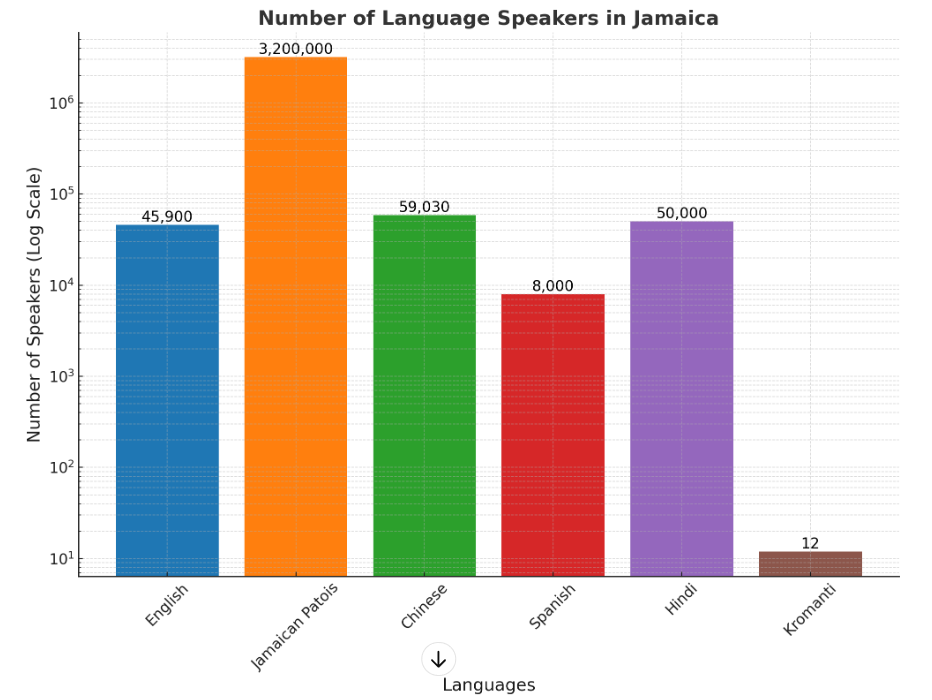
While Standard English remains the official language, Jamaican Patois—an English‑based creole—thrives in everyday speech. Patois reflects the island’s cultural fusion, yet it coexists with English in education, media, and business. This duality illustrates how language can serve both identity and practicality.
Why English Remains Dominant Today
English’s endurance owes much to institutional support: government documents, legal codes, and international commerce all operate in English. Additionally, the global reach of English provides Jamaican citizens with economic opportunities abroad. Finally, the historical weight of colonialism and the subsequent need for a unifying language have cemented English’s place.
FAQ
- Why was English chosen over other European languages? The British conquest and subsequent administration imposed English as the official language, while other colonial powers left less influence on the island’s linguistic landscape.
- Is Jamaican Patois considered a dialect or a separate language? Linguists generally regard it as a distinct creole language rooted in English, though it shares many features with Jamaican English.
- Did the enslaved Africans have any say in the language that developed? Their contributions shaped the vocabulary and rhythm of Patois, but English dominance was largely imposed by colonial structures.
- How does English influence Jamaican culture today? It permeates education, media, and international relations, while also serving as a bridge between diverse cultural groups within the country.