How Contractors Can Accelerate Cash Flow with Invoice Finance
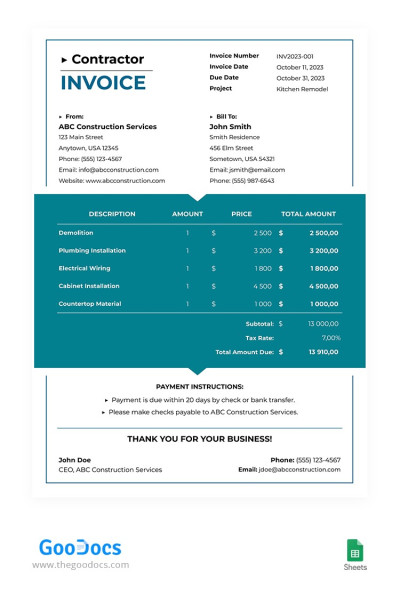
When a building project wraps up, the last thing a contractor wants to chase is a late payment. Yet, delayed invoices are a routine headache that can stall payroll, equipment purchases, and the next job bid. Invoice finance for contractors offers a practical shortcut: turn outstanding invoices into immediate cash without waiting for the client’s cheque. It’s not a loan, it’s a way to unlock the money you’ve already earned, keeping the worksite humming and the balance sheet healthy.
What Is Invoice Finance and Why Contractors Need It
At its core, invoice finance is a financing arrangement where a specialist provider advances you a percentage of the value of approved invoices. Once your client settles the bill, the provider releases the remainder, minus a modest fee. For contractors, the appeal is simple: projects often span months, but expenses—materials, subcontractors, labor—must be paid now. Traditional bank loans can be slow to approve and come with strict covenants. Invoice finance sidesteps those hurdles by using your own sales ledger as collateral.
Key Types of Invoice Finance for the Building Trade
Two main models dominate the market, each with its own rhythm:
- Invoice factoring – The factor purchases your invoices outright, handling collections and credit checks. You receive a bulk payment up front, typically 70‑90% of the invoice value.
- Invoice discounting – You retain control of your sales ledger and collection process, borrowing against the invoice amount. The provider releases a similar advance, but you remain the point of contact for the client.
Contractors who value client relationships often prefer discounting, as it preserves the direct line of communication. Those looking for a hands‑off solution might lean toward factoring, especially if they lack an in‑house accounts team.
How the Process Works: From Invoice to Cash
While the exact steps vary by provider, the typical workflow follows a clear path:
- Submit the invoice. Upload the approved invoice to the finance platform, along with any supporting documents such as purchase orders or contracts.
- Provider verifies. A quick credit check on the client ensures they’re likely to pay. This usually takes a day or two.
- Advance is released. Once approved, the provider transfers 80‑85% of the invoice value to your bank account—often within 24‑48 hours.
- Client pays. The client settles the invoice directly with the provider (factoring) or with you (discounting).
- Final settlement. After the client’s payment, the provider releases the remaining balance minus their fee.
Because the advance is tied to a specific invoice, the risk to the financer is limited to that single transaction, making the process faster than traditional borrowing.
Benefits Beyond Faster Payments
Speed is only the headline. Contractors also enjoy:
- Predictable cash flow. Knowing you’ll receive a set percentage of each invoice reduces the need for constant cash‑flow forecasting.
- Reduced administrative burden. Many providers offer automated invoicing tools, freeing up time for on‑site management.
- Improved credit management. The provider’s credit checks give you insight into client reliability before you hand over a hefty bill.
- Scalable financing. As your business wins larger contracts, the advance amount grows proportionally—no need to renegotiate loan terms.
Potential Drawbacks and How to Mitigate Them
No financing method is without trade‑offs. Common concerns include:
- Cost. Fees typically range from 1‑3% of the invoice amount, which can add up on thin‑margin jobs. Compare several providers and calculate the true cost of each advance.
- Client perception. Some clients may feel uneasy if their bills are sent to a third party. Transparency—informing them beforehand—helps preserve trust.
- Contractual limits. Providers may set caps on the total amount you can finance at any one time. Choose a partner whose limits align with your project pipeline.
Mitigation is straightforward: negotiate fee structures, maintain open communication with clients, and keep a diversified financing mix (e.g., a modest line of credit for occasional overflow).
Choosing the Right Provider for Your Trade
When vetting potential partners, focus on criteria that matter to a contractor’s workflow:
- Industry experience. Specialists who understand construction timelines, retention monies, and milestone payments will tailor solutions more effectively.
- Technology integration. A platform that syncs with popular accounting software (like QuickBooks or Xero) reduces double‑entry work.
- Flexibility. Look for providers that accommodate both factoring and discounting, letting you switch modes as projects evolve.
- Reputation. Seek reviews from fellow builders or trade associations; word‑of‑mouth often reveals hidden fees or service hiccups.
Taking the time to match a finance partner with your business rhythm can turn invoice finance from a stop‑gap into a strategic growth tool.
Frequently Asked Questions
Is invoice finance only for large contractors?
No. Even small‑to‑medium firms can benefit because the advance is tied to individual invoices, not overall turnover. Many providers set low minimum invoice values, making the service accessible.
Can I use invoice finance for both residential and commercial projects?
Yes. As long as the invoices are for goods or services you’ve already delivered and the client’s credit is acceptable, the type of project doesn’t matter.
What happens if a client disputes an invoice?
In factoring arrangements, the provider may step in to resolve the dispute, which can delay the final settlement. With discounting, you remain responsible for handling any challenges, so maintaining clear documentation is essential.
Will using invoice finance affect my relationship with banks?
Generally not. Invoice finance is a separate line of credit that doesn’t appear on your balance sheet as a traditional loan, so it can coexist with existing banking facilities.