How Companies Can Navigate the Modern Tech Landscape
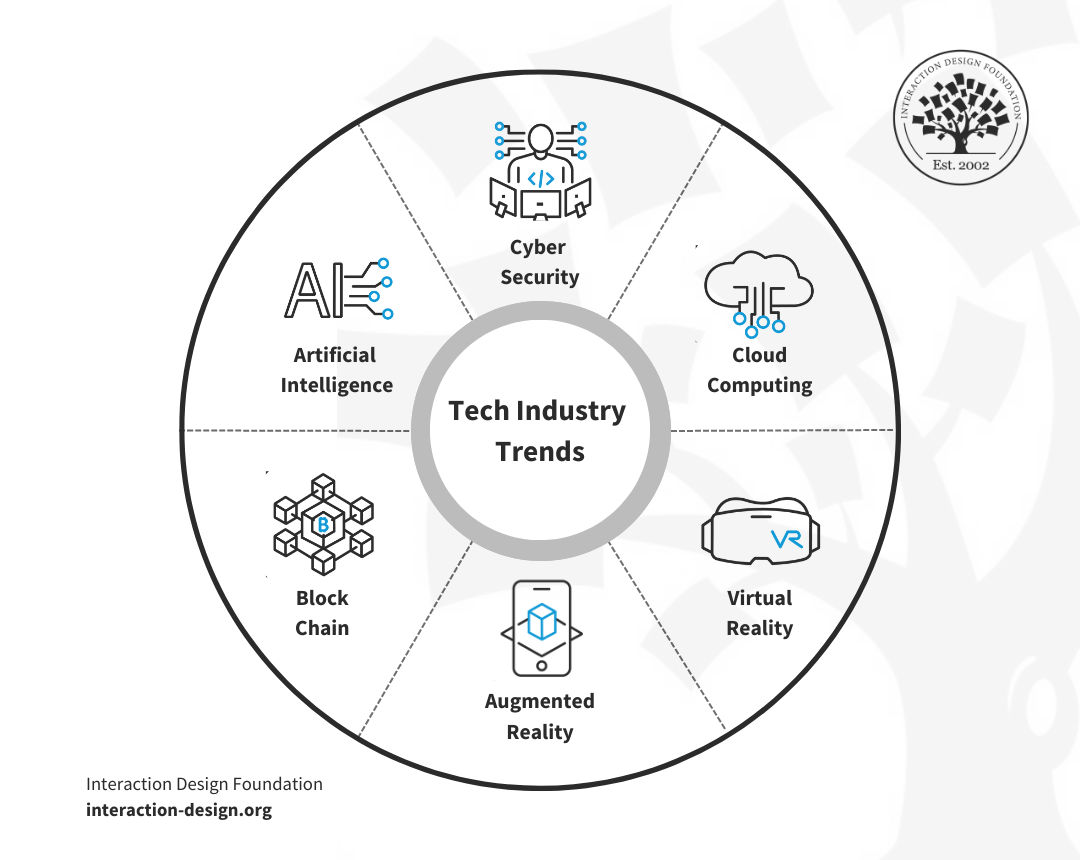
In today’s hyper‑connected world, every business—whether a startup in Jakarta or a multinational in Amsterdam—must master the art of navigating the tech landscape. The pace of change feels relentless: AI tools appear overnight, cybersecurity threats evolve in real time, and consumer expectations shift with each new app. For a company, staying still is no longer an option; it’s a strategic imperative.
Why Navigating the Tech Landscape Matters for Modern Companies
Technology isn’t just a support function any longer; it’s the core engine that drives product development, customer engagement, and operational efficiency. Companies that fail to adapt often find themselves losing market share to more agile rivals. Conversely, those that treat technology as a strategic partner can unlock new revenue streams, improve decision‑making, and future‑proof their brand.
Key Challenges Companies Face
Before plotting a roadmap, it helps to understand the obstacles that frequently trip up even seasoned executives:
- Rapid innovation cycles: What’s cutting‑edge today may be obsolete tomorrow.
- Talent scarcity: Skilled technologists command premium salaries, and the competition for them is fierce.
- Legacy systems: Older infrastructure can limit integration with newer platforms.
- Regulatory uncertainty: Data‑privacy laws differ across regions, adding complexity to global operations.
Strategic Approaches to Stay Ahead
There’s no one‑size‑fits‑all formula, but a handful of proven strategies consistently prove valuable.
1. Adopt a “Technology Radar”
Think of a radar as a living document that tracks emerging trends, evaluates their relevance, and sets adoption timelines. By revisiting this radar quarterly, leadership can spot opportunities early—whether it’s quantum‑ready computing or low‑code development platforms.
2. Prioritize Modular Architecture
Moving away from monolithic systems toward micro‑services or API‑first designs grants flexibility. When a new tool arrives, you can plug it in without overhauling the entire stack. This also eases the migration from on‑premise to cloud environments.
3. Invest in Data Literacy Across the Organization
Data isn’t useful if only the analytics team can interpret it. Offer short workshops, embed data champions in each department, and encourage a culture where insights drive everyday decisions.
4. Balance In‑House Development with Strategic Outsourcing
Not every initiative deserves a full‑time team. For specialized tasks—like building a custom AI model—partnering with niche vendors can accelerate delivery while keeping core competencies internal.
Building a Culture of Continuous Learning
Technology evolves, but people don’t have to be left behind. Companies that nurture curiosity tend to outperform peers. Here’s how to embed learning into the DNA of the organization:
- Set aside a monthly “innovation hour” where employees experiment with new tools.
- Reward certifications and share success stories in internal newsletters.
- Encourage cross‑functional hackathons that bring marketers, engineers, and finance together.
Leveraging Partnerships and Ecosystems
No company exists in a vacuum. Forming alliances with startups, universities, and industry consortiums can provide early access to breakthrough technologies. For example, a mid‑size manufacturing firm that joins a smart‑factory consortium may pilot IoT sensors before they become mainstream, gaining a competitive edge without bearing the full R&D cost.
Measuring Success in a Moving Target
Traditional KPIs—like ROI on a single project—don’t capture the full picture when tech change is continuous. Consider adding these metrics to your dashboard:
- Time‑to‑adopt: How quickly does the organization integrate a vetted technology?
- Skill‑gap closure rate: Percentage of employees upskilled each quarter.
- Innovation pipeline health: Number of ideas in proof‑of‑concept versus production.
Regularly reviewing these numbers helps you pivot before a lag becomes a liability.
Practical First Steps for Any Business
If you’re feeling overwhelmed, start small. Assemble a cross‑functional “tech steering committee” and task it with the following three actions within the next 30 days:
- Map out all current technology assets and identify any that are more than five years old.
- Pick one emerging trend—say, AI‑driven chatbots—and run a pilot in a low‑risk department.
- Draft a brief “learning charter” that outlines monthly training commitments.
These moves create momentum, surface hidden challenges, and demonstrate to the wider team that change is manageable.
FAQ
What does “navigating the tech landscape” actually mean for a mid‑size company?
It means staying aware of technological shifts, evaluating their relevance, and integrating the right tools at the right time to support business goals.
How can a company with limited budget keep up with rapid tech changes?
Focus on modular solutions, leverage open‑source platforms, and partner with external specialists for short‑term projects rather than building everything in‑house.
Is it risky to adopt emerging technologies early?
Early adoption carries uncertainty, but the risk can be mitigated by running pilots, setting clear success criteria, and maintaining an exit strategy if the technology doesn’t deliver.
What role does leadership play in tech adoption?
Leaders must champion a learning mindset, allocate resources for experimentation, and ensure that technology decisions align with the company’s long‑term vision.